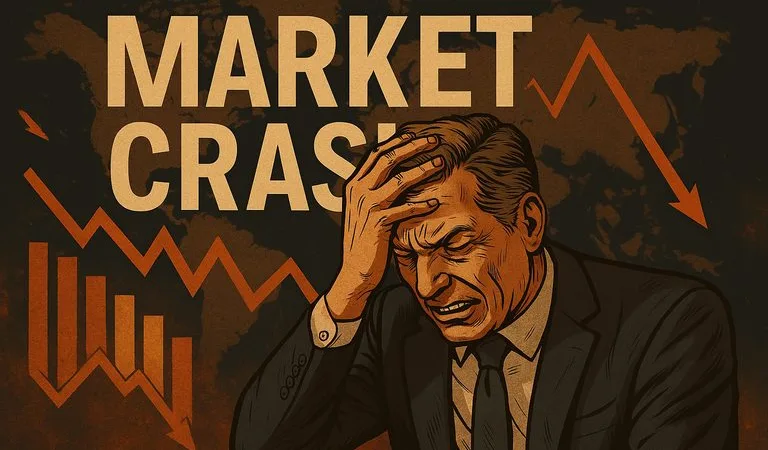
Do Kwon Sentenced to 15 Years: The Final Chapter of the $40 Billion Terraform Collapse
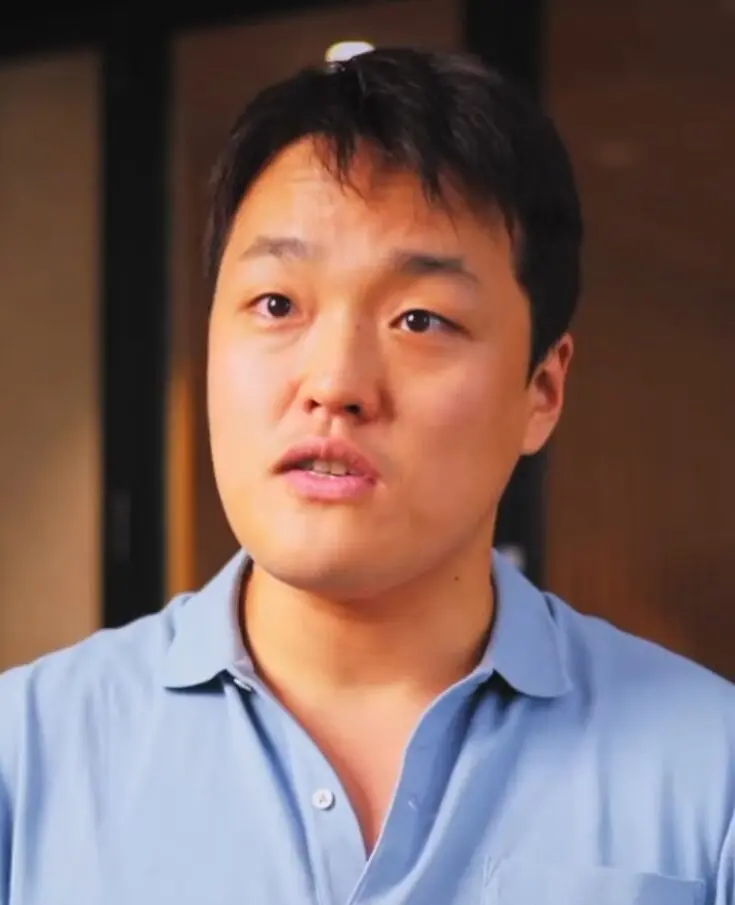
Do Kwon, the co-founder of Terraform Labs and the public face of one of crypto’s most devastating failures, has been sentenced to 15 years in a US federal prison for fraud tied to the 2022 collapse of the Terra ecosystem, a meltdown that wiped out an estimated $40 billion in value and shook confidence across the entire crypto market.
US District Judge Paul Engelmayer, handing down the sentence in New York, described Kwon’s actions as “a fraud of epic generational scale.” The term wasn’t rhetorical flair. It reflected the scale of losses, the number of victims, and the systemic damage caused by the implosion of TerraUSD (UST), later rebranded as TerraClassicUSD (USTC).
A Sentence Harsher Than Prosecutors Requested
Federal prosecutors had sought a 12-year sentence under a plea agreement. Judge Engelmayer went further, arguing that anything less than 15 years would understate the harm.
“In the history of federal prosecutions,” the judge told Kwon, “very few cases have caused more monetary harm than you did.”
Kwon, now 34, pleaded guilty earlier this year to conspiracy and wire fraud, agreed to forfeit $19.3 million and certain properties, and accepted responsibility for misleading investors about the stability and mechanics of TerraUSD’s dollar peg.
TerraUSD: From Algorithmic Dream to Financial Nightmare
At the heart of the case was TerraUSD, an algorithmic stablecoin that promised to maintain a 1:1 peg with the US dollar, without traditional reserves.
When that peg broke in May 2022, the collapse was swift and unforgiving.
For readers who want to understand how TerraUSD was supposed to work, and why its failure was structurally inevitable, we previously explored this in depth in:
- Can TerraClassicUSD (USTC) Ever Repeg to $1? – An In-Depth Analysis
- USTC Repeg: A Credible Path, A Community Plan, and How to Earn While You Wait on Uniswap (Ethereum)
Those pieces remain essential reading, especially as parts of the crypto community continue to debate revival mechanisms, repeg strategies, and yield opportunities long after the original crash.
Lies, Market Fallout, and the Crypto Winter
According to prosecutors, Kwon repeatedly misled investors by claiming TerraUSD was algorithmically stable, even as external actors quietly stepped in to defend the peg. Evidence presented by the US Securities and Exchange Commission showed that Jump Crypto injected capital to prop up TerraUSD, directly contradicting Terraform’s public narrative.
The fallout didn’t stop with Terraform.
US authorities argued that Kwon’s actions helped trigger the broader “crypto winter” of 2022, contributing to liquidity stress and confidence collapse that later engulfed firms like FTX.
From Fugitive to Federal Prisoner
After the collapse, Kwon became a global fugitive. He was arrested in Montenegro in 2023 while traveling on a fake passport, sparking a prolonged extradition battle between the US and South Korea.
He ultimately spent nearly two years detained in Montenegro before being transferred to the United States. Judge Engelmayer credited Kwon with 17 months already served under what Kwon described as “inhumane” prison conditions, though not for the time served on passport fraud charges.
Even after completing his US sentence, Kwon may still face a separate fraud trial in South Korea.
Victims, Apologies, and Cult-Like Loyalty
More than 315 victims from around the world submitted letters to the court. Many described losing homes, retirement savings, medical funds, and college money.
Kwon apologized in court, stating:
“The blame should be pointed at me for everyone’s suffering.”
Yet the judge noted something unsettling. Some supporters continued to defend Kwon even after his guilty plea. Engelmayer said reading their letters felt like “reading the words of cult followers.”
A Cautionary Ending, Not the End of the Debate
Terraform Labs and Kwon were also found liable in a civil fraud case brought by the SEC in 2024, resulting in a $4.47 billion settlement. The verdict confirmed what many critics had argued since 2022. TerraUSD’s stability claims were fundamentally misleading.
Still, the Terra story refuses to fully die. As discussed in our earlier analyses, USTC continues to trade, communities continue to propose repeg mechanisms, and developers continue to experiment, a reminder that in crypto, technology often outlives its creators.
In a notable reversal, Kraken has walked back its decision to delist Terra Classic tokens. Trading of LUNC will continue uninterrupted, while USTC trading is set to resume on the exchange.
The turnaround came largely due to sustained pressure and coordination from the Terra Classic community, which has remained active despite the collapse of Terraform Labs and the legal downfall of its founder.
With Do Kwon sentenced and Terraform Labs effectively out of the picture, the project has entered a post-TFL phase. If the remaining fallout fully clears, LUNC and USTC now move forward under community stewardship, with renewed focus on utility, governance, and long-term rebuilding.
It doesn’t erase the past. But it does close one chapter — and cautiously opens another.
Authored by Mohsin Rasheed, Co-founder and Chief Editor of Everyman Science, an independent publication exploring science, technology, and the forces shaping our world.





Co-Founder & Chief Editor of Everyman Science. I view science not just as a collection of facts, but as the ultimate guide for human survival. From medical breakthroughs to the logistics of space exploration, I am dedicated to documenting how scientific reasoning uplifts the human spirit and provides the blueprints to save our planet. I believe that by unleashing the power of nature through disciplined inquiry, we can secure a sustainable future for humanity.