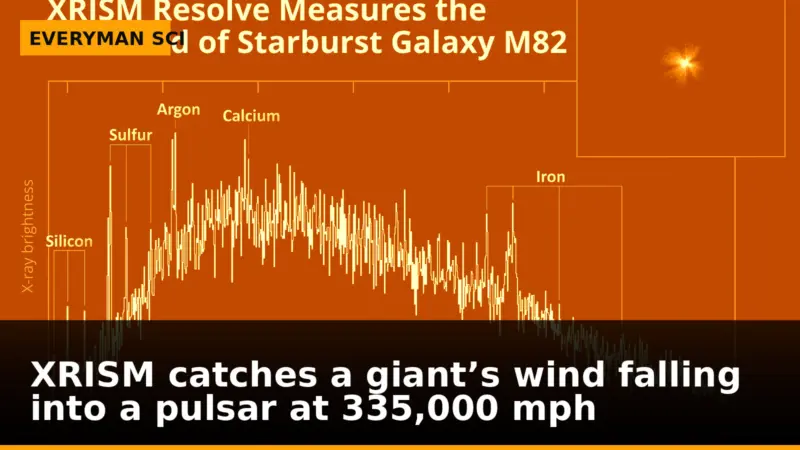
On Feb. 1, 2025, XRISM’s Resolve saw redshifted iron lines in BP Crucis, showing Wray 977’s wind plunging toward pulsar GX 301‑2 at 335,000 mph.

On Feb. 1, 2025, XRISM’s Resolve saw redshifted iron lines in BP Crucis, showing Wray 977’s wind plunging toward pulsar GX 301‑2 at 335,000 mph.
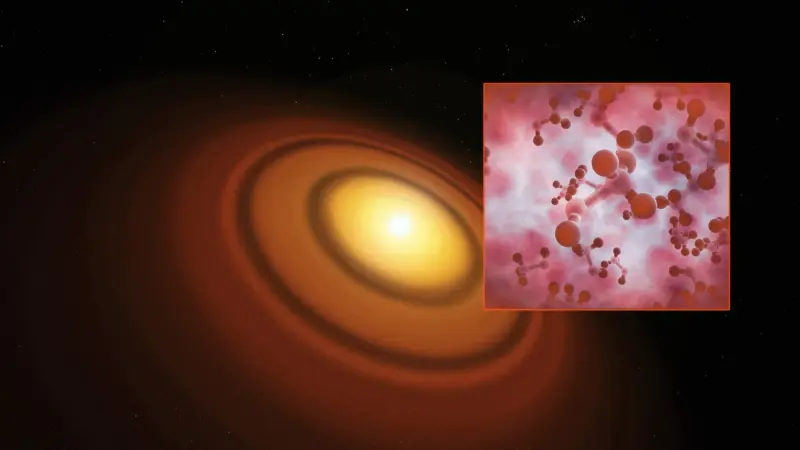
Elias 2-24 b, under 1 million years old and about 55 AU out, is a Jupiter-scale newborn 450 light-years away—data that tests planet-formation timelines.
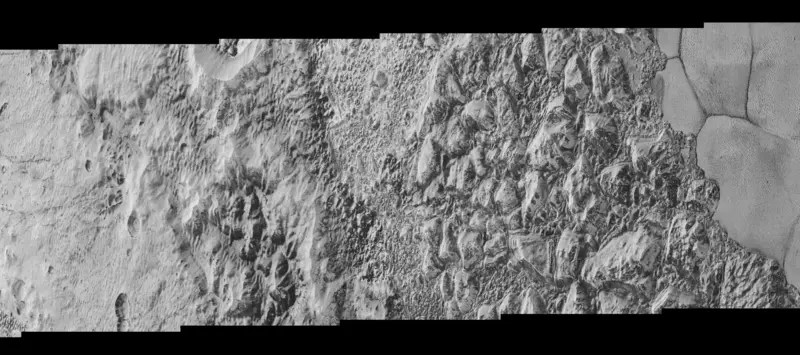
Images and models suggest basal melting in Sputnik Planitia, with liquid nitrogen rising through cracks—the first recent evidence of liquid on Pluto.
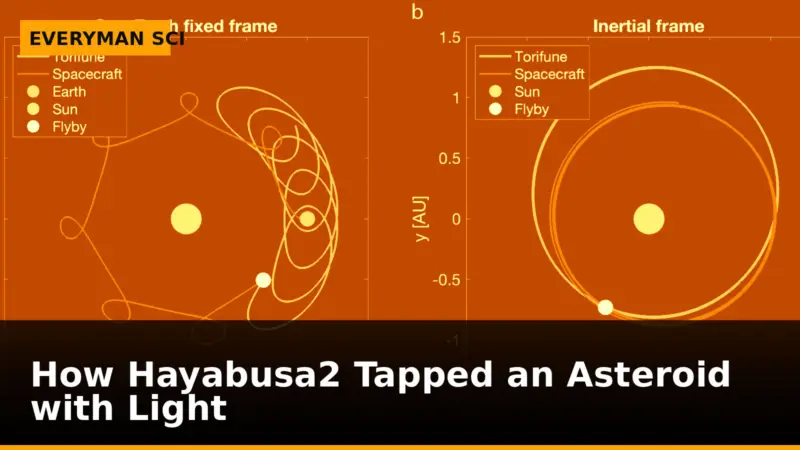
Hayabusa2 fired its laser twice at asteroid Torifune during a high‑speed flyby. Here’s how laser ranging works and why it matters for future missions.

A global roughness map says Mercury shrank more than thought: nearly 12 miles in diameter, a 10–30% boost tied to debris-hidden wrinkles.
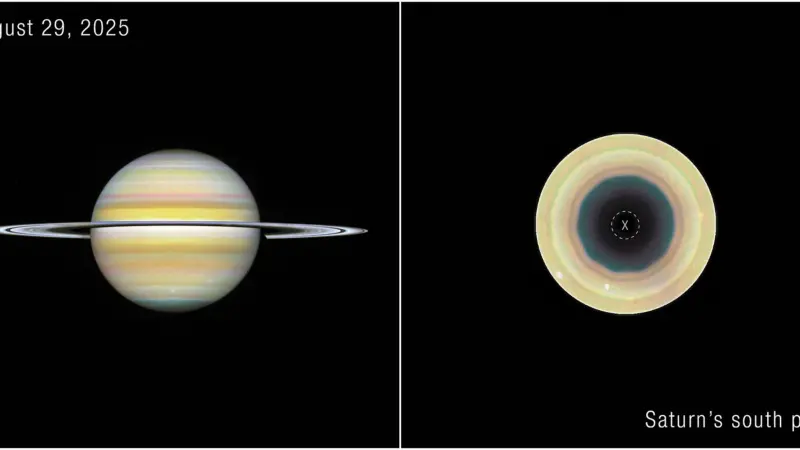
Hubble spots a giant decagon around Saturn’s south pole—about 104,250 miles wide—inviting comparisons with the long‑lived northern hexagon.
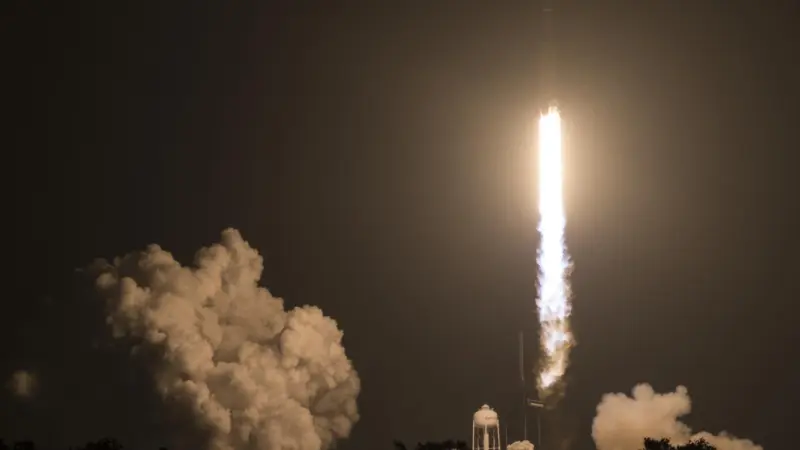
NASA’s Nancy Grace Roman Space Telescope launched Aug. 30, 2026; 30 days to L2, about three months of commissioning, then a five-year, 1.4‑TB/day survey.
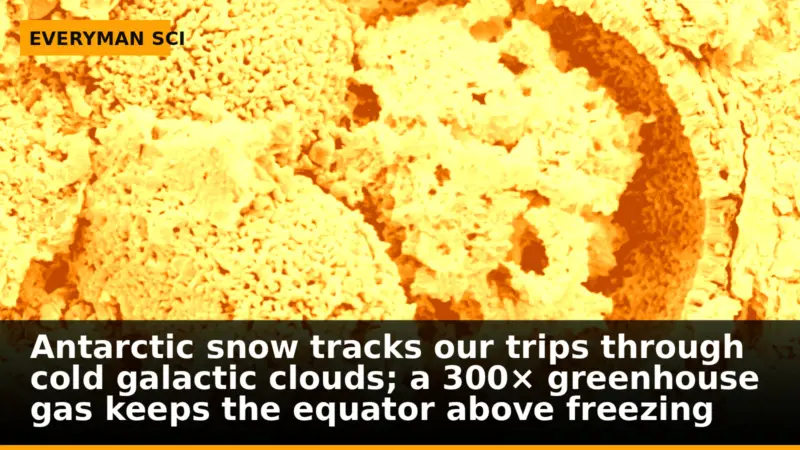
Dust in Antarctic snow matches solar system cloud crossings, while 10% N2O under a 70% Sun warms Earth’s equator to about 41°F.
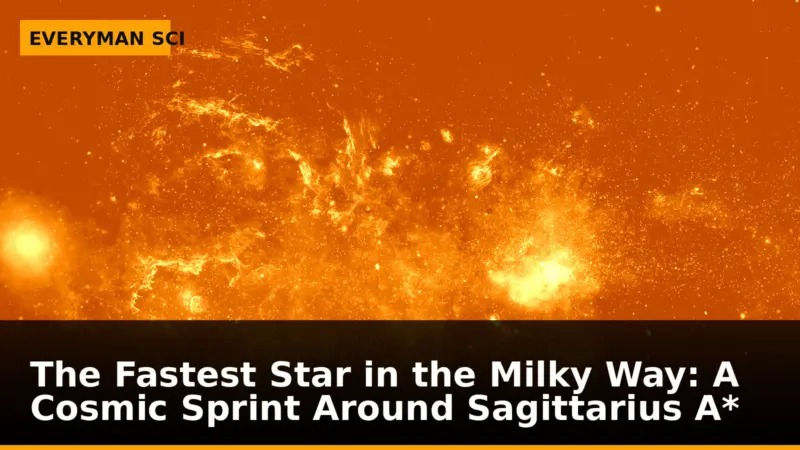
Discover the fastest known star in the Milky Way, orbiting the supermassive black hole Sagittarius A* at incredible speeds.
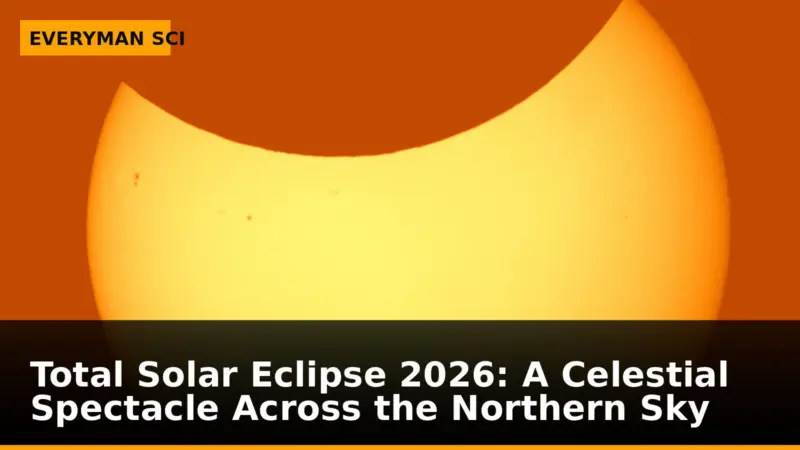
The 2026 total solar eclipse cast a mesmerizing shadow from Greenland to Spain, offering a rare celestial spectacle.