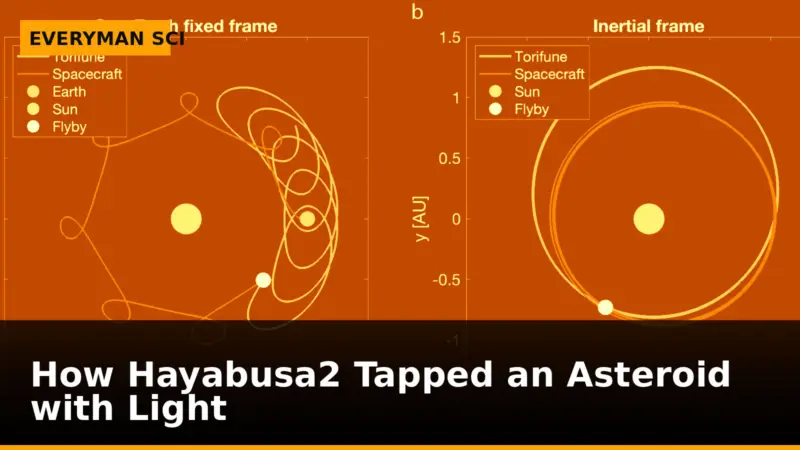
Hayabusa2 fired its laser twice at asteroid Torifune during a high‑speed flyby. Here’s how laser ranging works and why it matters for future missions.

Hayabusa2 fired its laser twice at asteroid Torifune during a high‑speed flyby. Here’s how laser ranging works and why it matters for future missions.

A global roughness map says Mercury shrank more than thought: nearly 12 miles in diameter, a 10–30% boost tied to debris-hidden wrinkles.
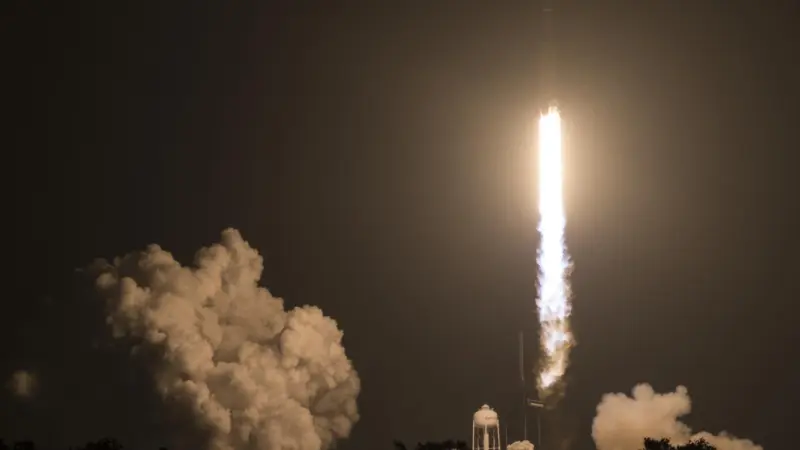
NASA’s Nancy Grace Roman Space Telescope launched Aug. 30, 2026; 30 days to L2, about three months of commissioning, then a five-year, 1.4‑TB/day survey.
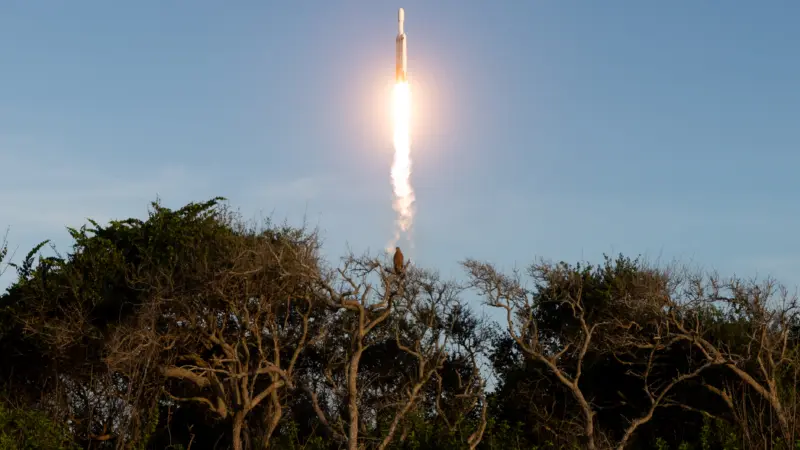
NASA’s Roman Space Telescope launched at 7:26 a.m. EDT to survey 100× Hubble’s view, 1000× faster, map 20 billion Milky Way stars, and send 1.4 TB daily.
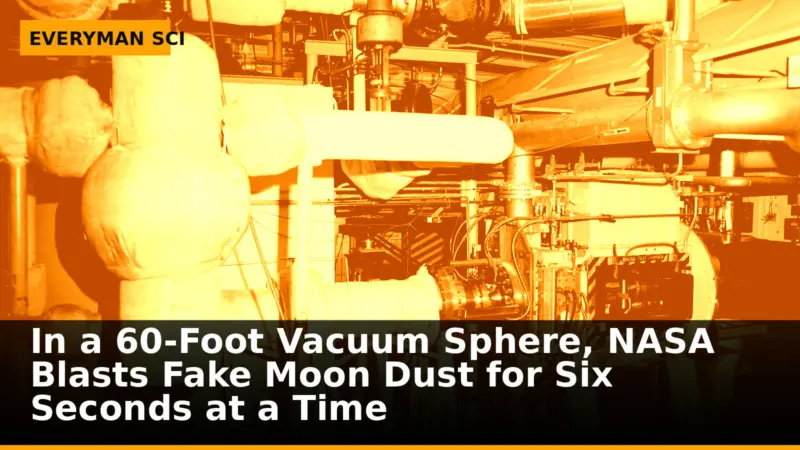
NASA Langley fires 100‑lb‑thrust jets into lunar soil simulant for six seconds inside a 60‑ft vacuum chamber to model lander plumes before Artemis IV in 2028.
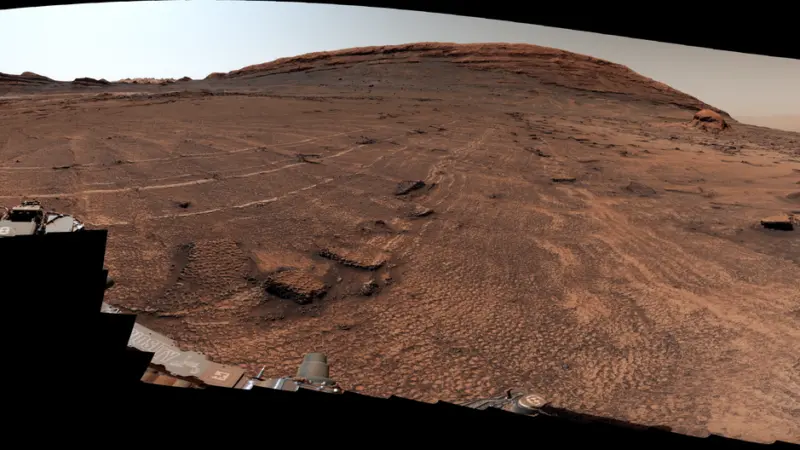
NASA’s Curiosity rover finds a field of 4–8 cm polygons and measures their shapes and chemistry to probe whether they formed as ancient mud cracks.
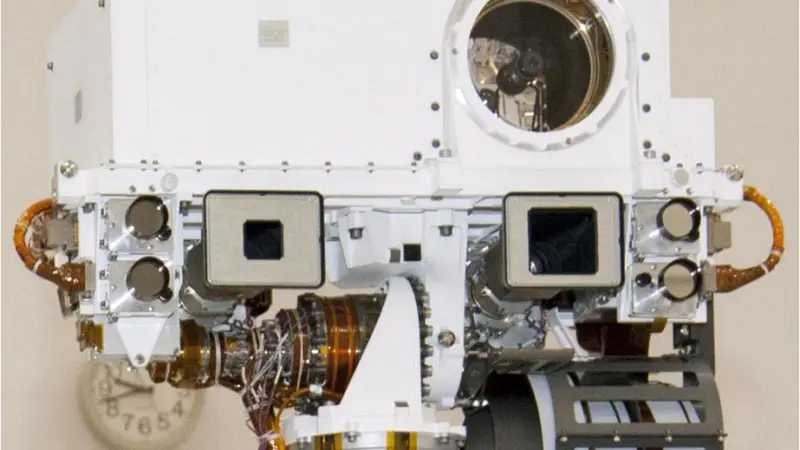
NASA’s Curiosity rover marks 14 years of exploration on Mars, revealing vital information about the planet’s history and potential for life.
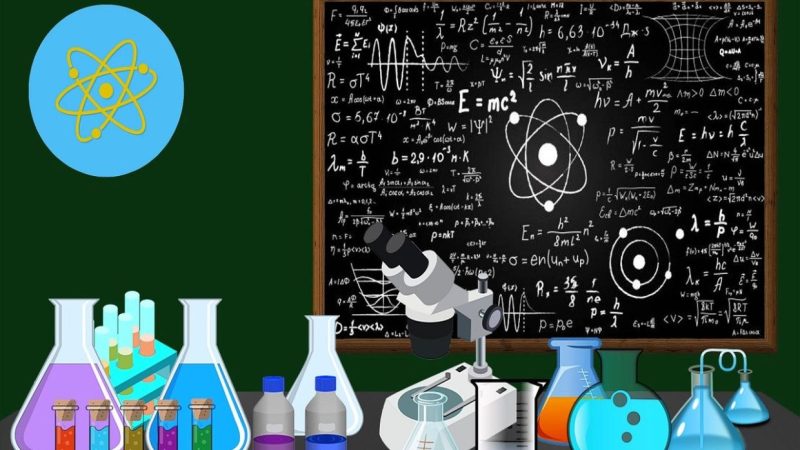
The notion that all major scientific problems have been solved is a misconception often expressed by young graduates. They may believe that
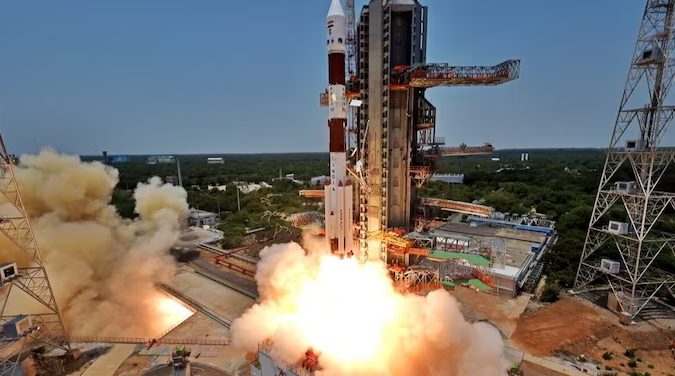
India successfully launches a spacecraft towards the sun following its landmark moon landing mission. The launch of the Aditya L1 spacecraft took
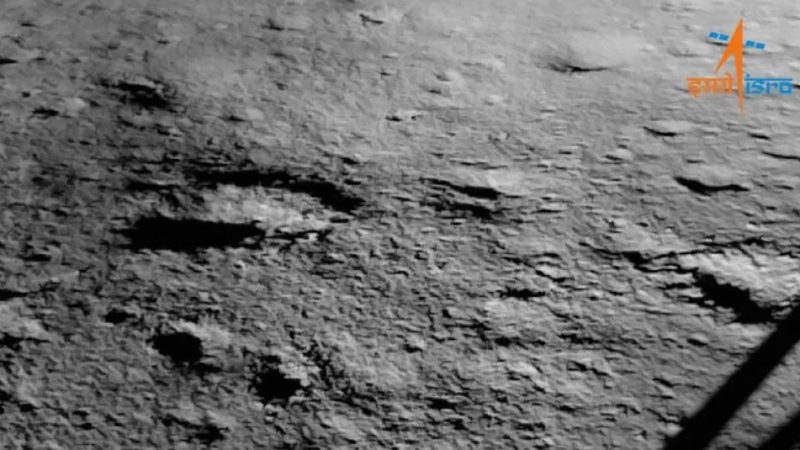
India’s Chandrayan-3 lunar mission has achieved significant scientific and technical advancements. The Pragyan rover has successfully analyzed the composition of the Moon’s