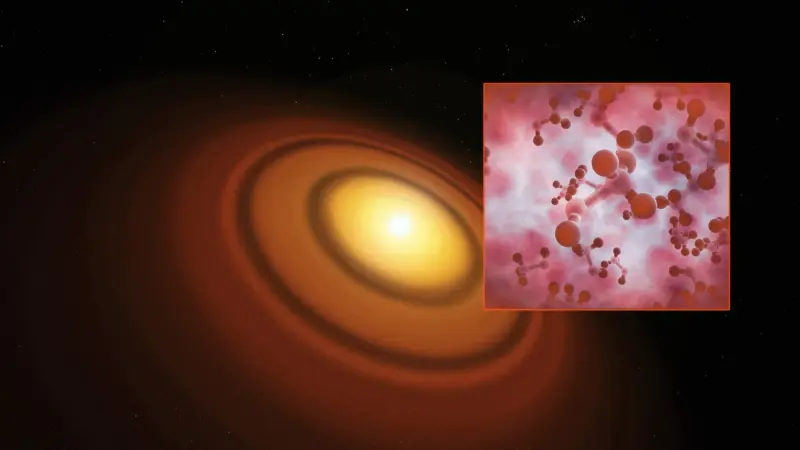
Elias 2-24 b, under 1 million years old and about 55 AU out, is a Jupiter-scale newborn 450 light-years away—data that tests planet-formation timelines.

Elias 2-24 b, under 1 million years old and about 55 AU out, is a Jupiter-scale newborn 450 light-years away—data that tests planet-formation timelines.
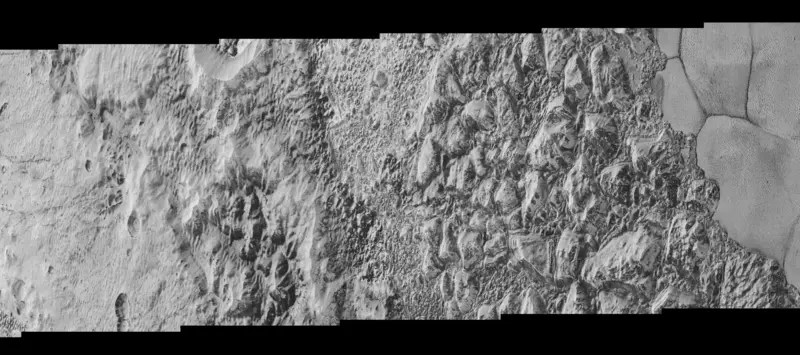
Images and models suggest basal melting in Sputnik Planitia, with liquid nitrogen rising through cracks—the first recent evidence of liquid on Pluto.
On Sept 15 UTC, ESA launched FLEX with Sentinel‑3C on Vega‑C to detect faint chlorophyll fluorescence from orbit and assess plant health with tandem observation
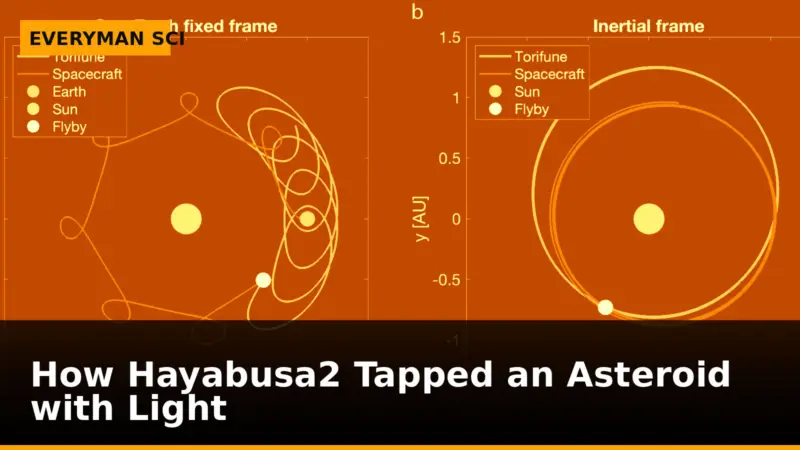
Hayabusa2 fired its laser twice at asteroid Torifune during a high‑speed flyby. Here’s how laser ranging works and why it matters for future missions.

A global roughness map says Mercury shrank more than thought: nearly 12 miles in diameter, a 10–30% boost tied to debris-hidden wrinkles.
ESA’s FLEX and Sentinel‑3C launch on Vega‑C to track faint plant fluorescence and align it with Earth‑system data via near‑simultaneous tandem observations.
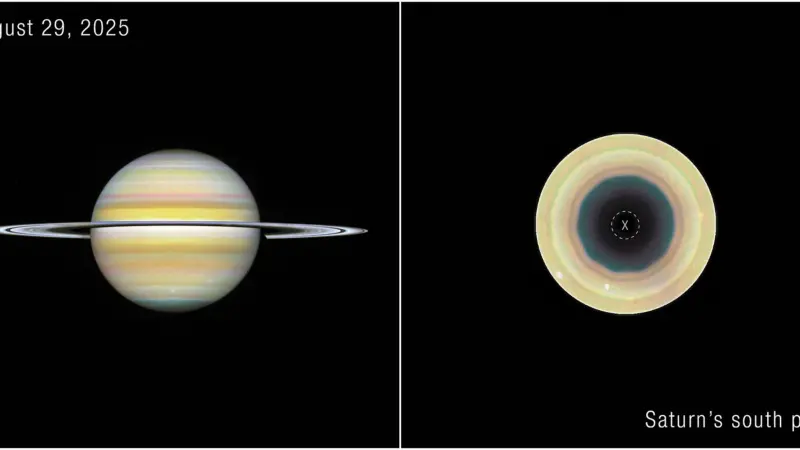
Hubble spots a giant decagon around Saturn’s south pole—about 104,250 miles wide—inviting comparisons with the long‑lived northern hexagon.
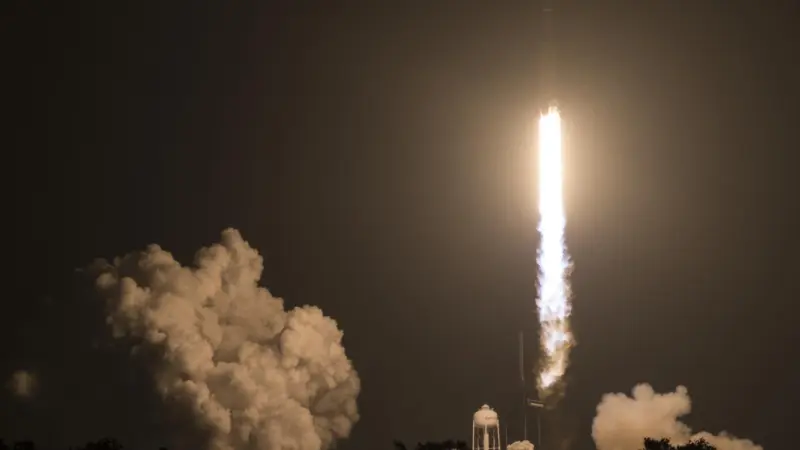
NASA’s Nancy Grace Roman Space Telescope launched Aug. 30, 2026; 30 days to L2, about three months of commissioning, then a five-year, 1.4‑TB/day survey.
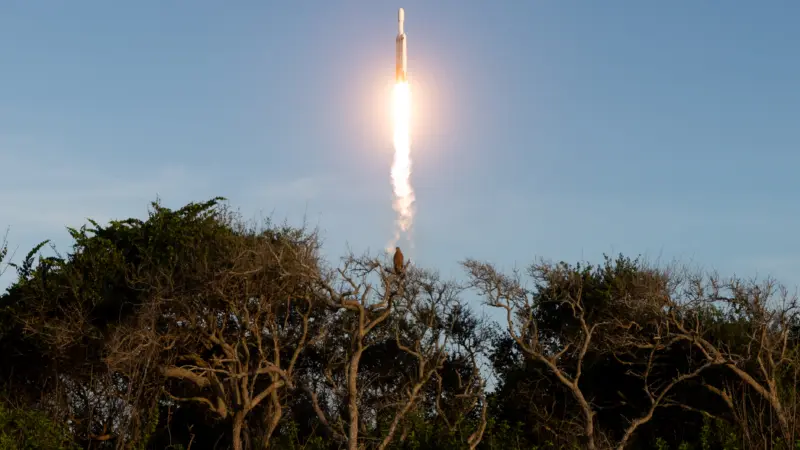
NASA’s Roman Space Telescope launched at 7:26 a.m. EDT to survey 100× Hubble’s view, 1000× faster, map 20 billion Milky Way stars, and send 1.4 TB daily.
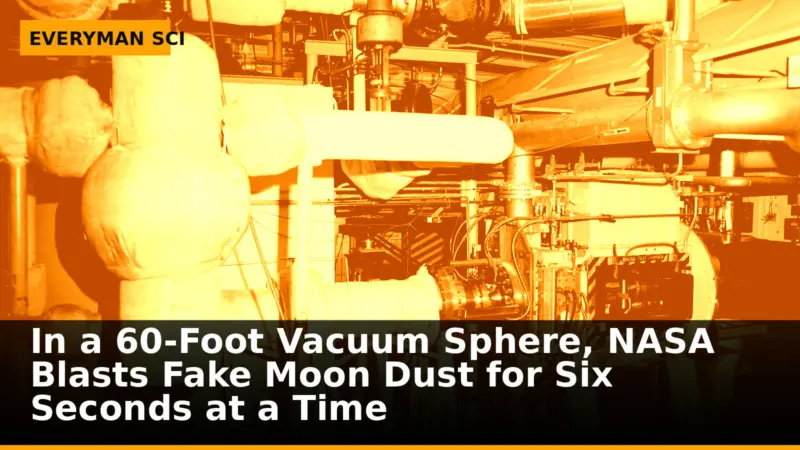
NASA Langley fires 100‑lb‑thrust jets into lunar soil simulant for six seconds inside a 60‑ft vacuum chamber to model lander plumes before Artemis IV in 2028.