Leaving before the pups arrive, Australia pulls 24 off Macquarie as H5N1 looms
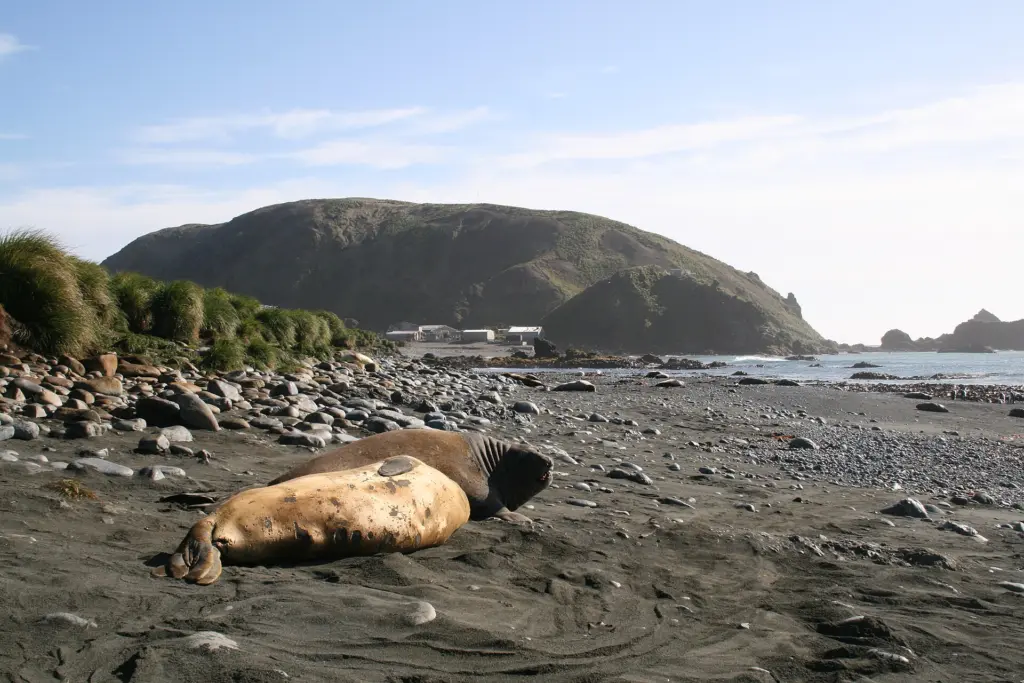
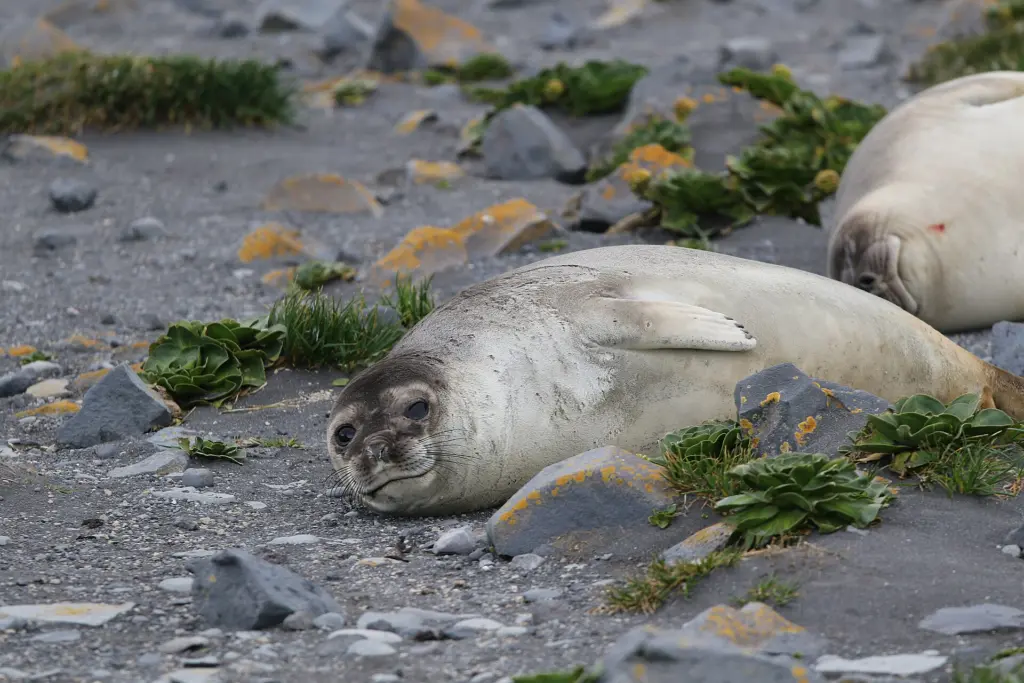
The beaches of Macquarie Island are about to get crowded. This sub‑Antarctic strip, halfway between Tasmania and Antarctica, is home to thousands of elephant seals—and, according to officials, a highly susceptible host for H5N1 avian influenza. No cases have been detected on the island, but with the breeding season due from September through November, many young seals are expected to die.
Before that happens, Australia will pull its people out. Citing the “psychosocial” risk of living and working beside a potential mass mortality event, the government said Friday it will evacuate the research station’s 24 tradespeople, scientists and support staff.
A tough call on a tough island
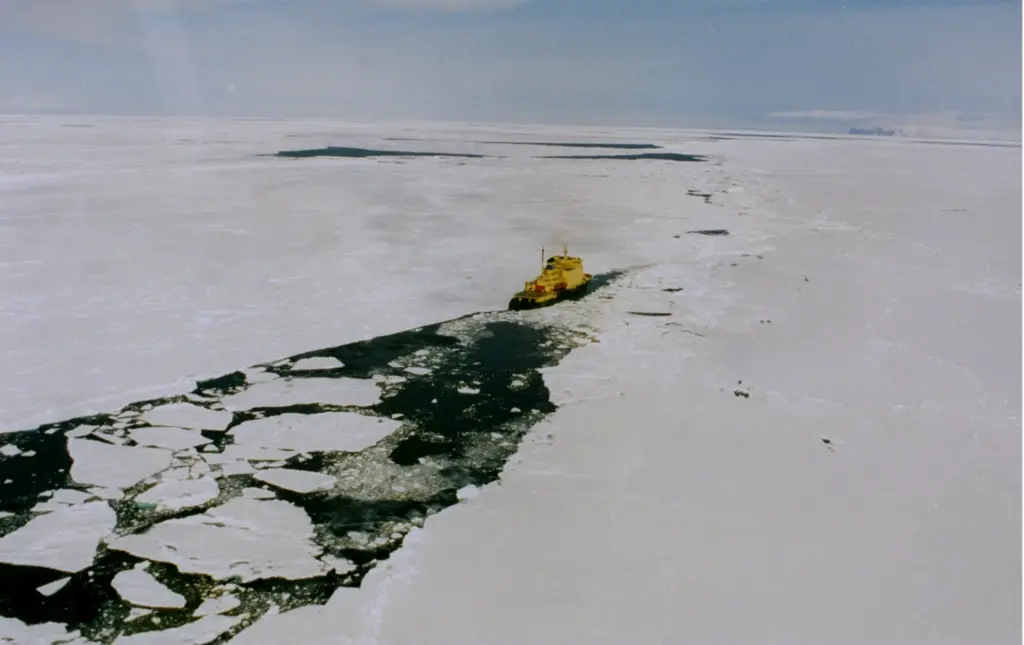
Macquarie is one of Australia’s loneliest outposts, and the work there does not pause for winter. Yet the choice now is to leave early. The environment ministry said the RSV Nuyina icebreaker will take the station team off the island in September or early October.
The rationale is not that people are at high medical risk. “While the risk to humans of H5 bird flu is considered low,” said Sean Sullivan, a senior official in Canberra’s environment portfolio, the mental toll of witnessing large numbers of affected animals cannot be discounted.
What’s at stake for the wildlife
Officials say marine mammals on Macquarie are highly susceptible to H5N1. That matters most just as the pups arrive. Dense breeding colonies on narrow beaches concentrate contact, and if the virus reaches the island, officials expect many deaths during the September–November season.
This is not a theoretical worry. In June, officials reported that thousands of elephant seal pups had died of bird flu on another remote Australian territory, the Heard and McDonald Islands. That event hangs over Macquarie’s coming months like a forecast.
Australia’s changing relationship with H5N1
For years, Australia stood out as the only continental landmass free of the H5 strain that has devastated birds worldwide. That distinction has gone. As of Friday, authorities reported 341 confirmed or presumed positive H5 bird flu cases in the country.
There is one bright line, so far: officials say there have been no detections in poultry or in the nation’s agricultural production. For a country whose biosecurity identity was built on being an island apart, the current moment is a pivot—from keeping H5N1 out, to coping with it at the edges.
Why evacuate if human risk is low?
Public‑health messaging tends to focus on infection risk. On Macquarie, the government’s trigger is different: how a likely wildlife die‑off would affect a small, isolated team’s wellbeing and the safe operation of a remote station. The word officials use—“psychosocial”—bundles together stress, grief, and the practical strain of living beside a mass mortality event with limited on‑site support.
It is also a logistics call. With the RSV Nuyina scheduled window in early spring, there may be one clear chance to remove 24 people before the seal season and any outbreak peak overlap. Waiting to see whether H5N1 arrives could mean staying through it.
What we still don’t know
No one has detected H5N1 on Macquarie Island to date, and officials have not said if or when the virus might reach the beaches there. They have flagged an expectation of many seal pup deaths between September and November if it does, but have not provided a projected toll or timeline.
Beyond Macquarie, authorities’ count of 341 confirmed or presumed positives reflects the difficulty of diagnosing a wildlife‑heavy outbreak in real time. Officials have not detailed how those cases are distributed across species or regions, and there is no indication that poultry or agricultural systems have been affected.
The deeper cut
Psychosocial risk, unpacked at field scale
In emergency management, psychosocial risk is not a euphemism for vague worry; it is an operational category that can trigger real decisions. On a remote station with 24 people, the base’s resilience depends on thin margins—sleep, workload, morale, and the ability of a small team to absorb shocks without compounding errors. Living adjacent to a mass mortality of large, charismatic wildlife for weeks can stress those margins: exposure to carcasses and distressed animals, the sensory load of smell and noise, and moral distress from being unable to intervene at scale. That is before you tally the knock‑ons—vector control around infrastructure, restricted fieldwork zones, and the cognitive drag of persistent hazard assessments. The risk to any one person from H5N1 may be low, but the risk to safe systems operation can be high if the team becomes exhausted or hyper‑vigilant. In that calculus, an early extraction on a scheduled icebreaker can be the lower‑risk option. It exchanges uncertain, protracted exposure for a finite, controllable movement window—an old polar‑operations trade‑off applied to a new pathogen.
A sub‑Antarctic line of defense
Evacuating Macquarie does not stop H5N1 at sea, but it does narrow the problem. If the virus reaches the island’s seal rookeries, the response will focus on wildlife health and environmental management rather than human care in an isolated clinic. If it does not, a precautionary departure avoids putting people through a crisis that never came.
Either way, Australia’s stance has shifted from unbreached perimeter to damage control at its fringes. The decision to leave before the pups arrive is the kind of sober, unshowy biosecurity move that rarely makes headlines—until the day it does.
Sources: Australia to evacuate sub-Antarctic research base over bird flu fears (phys.org)
Images: Cover: Everyman Science (AI illustration); Figure 1: MaccaPenguin / Wikimedia Commons (CC BY-SA 4.0); Figure 2: Original uploader was Brocken Inaglory / Wikimedia Commons (CC BY-SA 3.0); Figure 3: laikolosse / Wikimedia Commons (CC BY 2.0)
How this article was made: Everyman Science uses AI tools to structure, format and optimise its articles, and occasionally to produce illustrations where no free photograph exists. The reporting these articles are based on is human-produced and cited above. Spotted an error? Write to [email protected] and we will correct it. — The editors How we work.





Science desk team of Everyman Science, curating and reporting on the day’s most significant developments in research, space exploration, and technology.