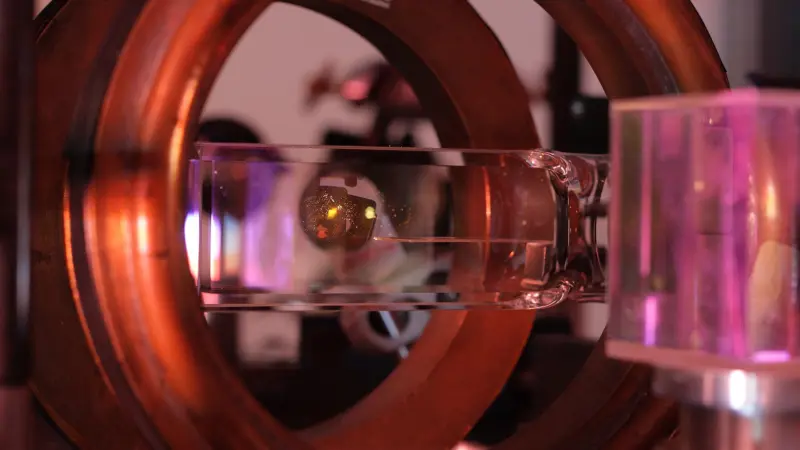
Aboard Tiangong, researchers cooled 20,000 rubidium atoms to 10 picokelvin and formed a Bose–Einstein condensate—the coldest atomic gas yet.

Get data-driven insights on the latest space exploration breakthroughs. Track NASA, CNSA, and private sector milestones in orbital infrastructure and deep-space missions.
Aboard Tiangong, researchers cooled 20,000 rubidium atoms to 10 picokelvin and formed a Bose–Einstein condensate—the coldest atomic gas yet.

Caltech’s NOM4D demo saw a gantry robot assemble a truss in orbit after a 15‑month sprint; next, the team will test composite curing on the ISS.
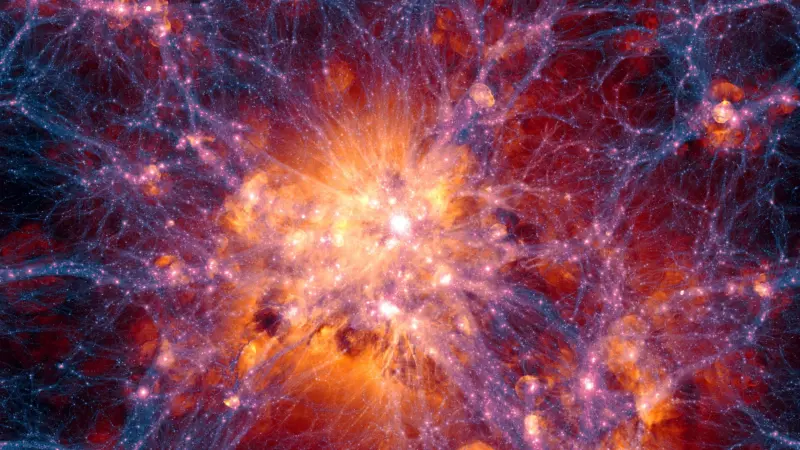
Lumina spans 500 Mpc for 2 billion years with half a trillion elements—the first simulation to model hydrogen and helium reionization together.
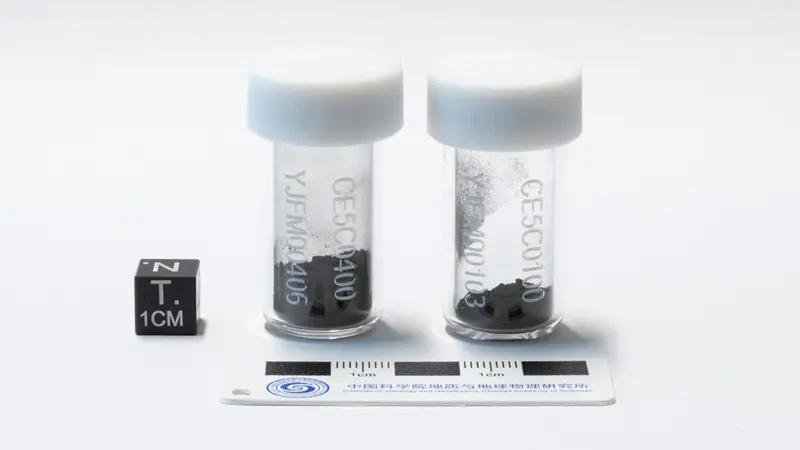
Models suggest Earth’s gravity focused 150 GW into 2.5% of the Moon’s mantle, keeping pockets hot and helping yield 2‑billion‑year lunar basalts.
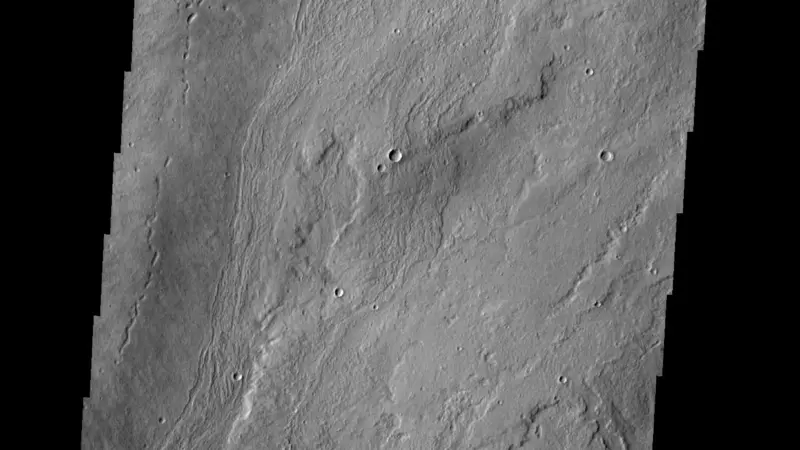
ExoMars saw hydrogen chloride spike over fresh Alba Mons fissures in early summer, defying the usual pattern and hinting at seepage from a dormant magma chamber
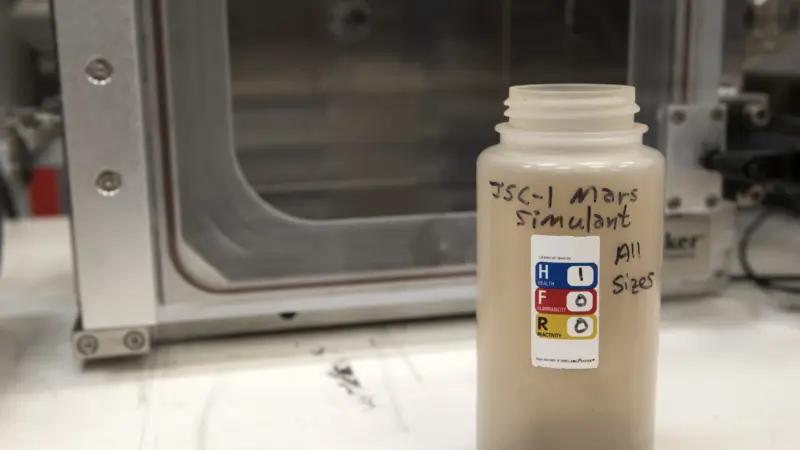
Postcard-size suit fabric spent 1,645 Martian days in dust; study finds Mars grit is less abrasive than lunar but ultrafine, electrostatically sticky, and chemi
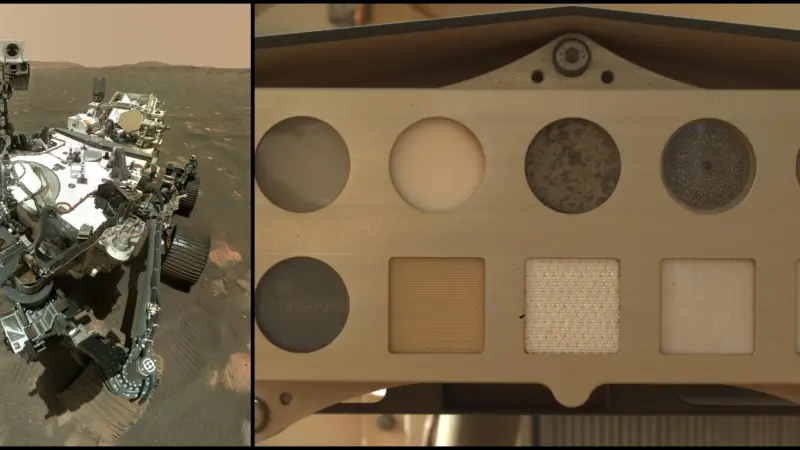
Perseverance used onboard suit swatches over 1,645 sols to make the first on-site Mars measurements of fine and ultrafine dust, down to 100–300 nm.
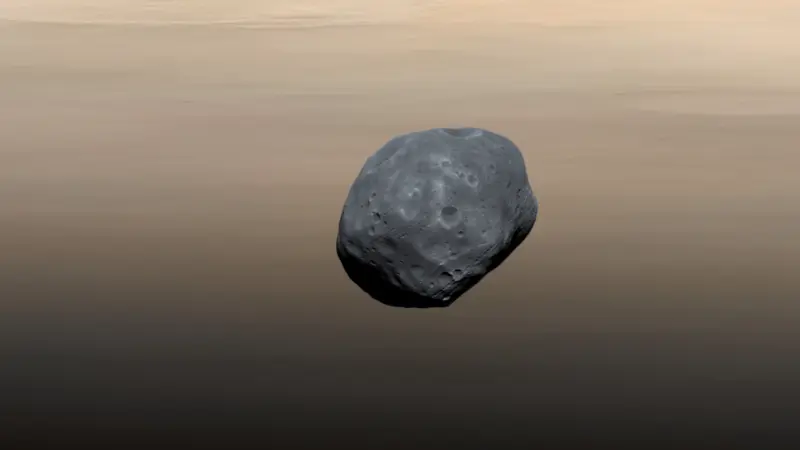
JAXA’s MMX launches Oct 20, 2026 to land on Phobos twice, collect at least 10 g, deploy the 25‑kg Idefix rover, and return samples to Earth in 2031.
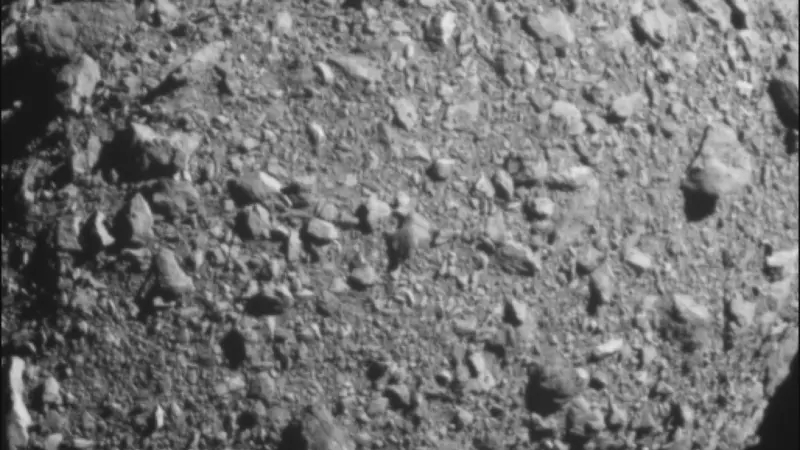
LLNL’s 3D Spheral simulations of a nuclear standoff show ~98% damage and ~97% of mass above escape speed, but 59 days of compute covered only 145 ms.
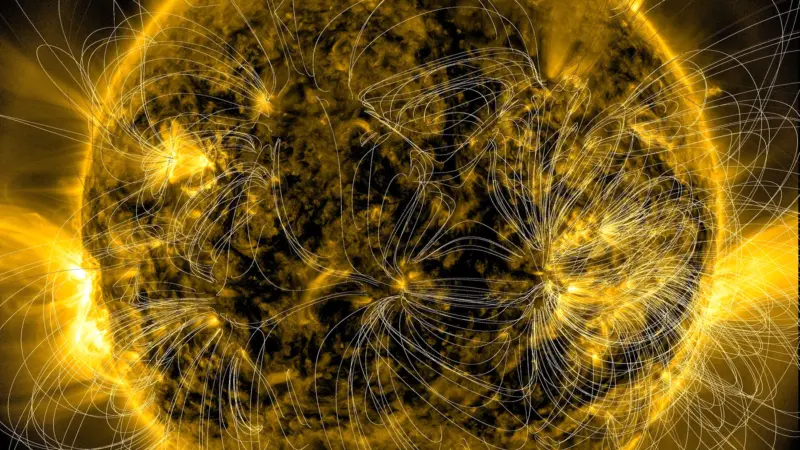
ESA’s Solar Orbiter sampled a giant switchback and, from its oxygen and carbon mix, tied its origin to interchange reconnection at the Sun’s surface.