Arabidopsis swaps sideretin for fraxetin with pH—and microbes free the iron
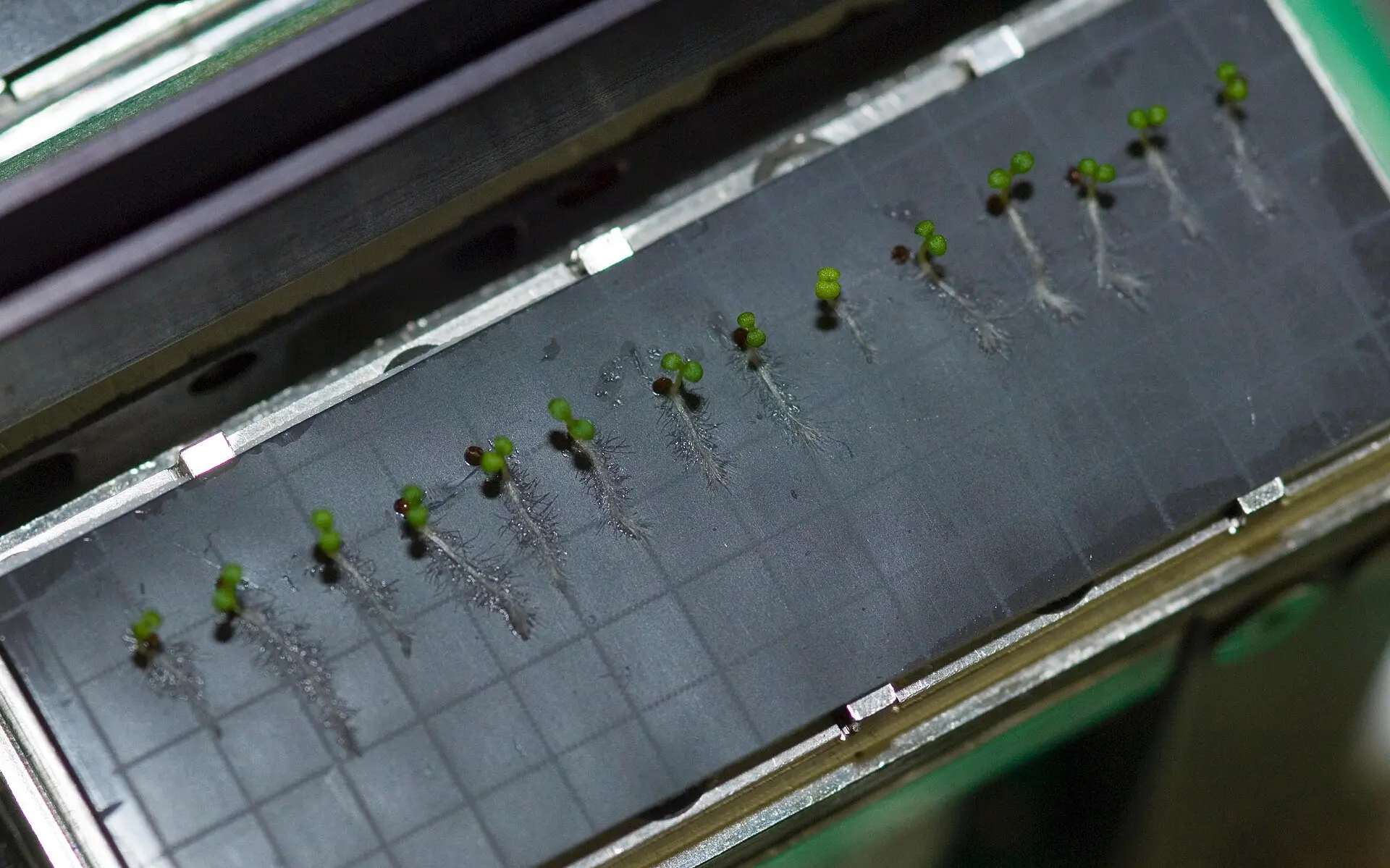
Plants need iron to grow, but in many soils it’s there in name only—chemically locked away from roots. This study asked a sharp question: do plants switch the messages they send to their root-dwelling bacteria to free up that iron, and does the partnership change with soil pH?
A team led by Paul Schulze-Lefert at the Max Planck Institute for Plant Breeding Research and Ricardo F. H. Giehl at the Leibniz Institute of Plant Genetics and Crop Plant Research reports that Arabidopsis tailors the coumarin chemicals it releases to match acidic versus calcareous soils—and that bacteria at the root surface plug into those signals to make otherwise bio-unavailable iron accessible. Their analysis is published in Cell as “Arabidopsis uses distinct coumarins and bacterial pathways for pH-adaptive iron acquisition.”
The concrete question—and why iron is hard to get
Iron is essential for plant growth. Yet in many soils most iron sits in insoluble forms that roots cannot directly absorb. Plants such as Arabidopsis thaliana, along with many crop species, have evolved an iron starvation response: when iron runs short, roots exude specialized small molecules—often coumarins—into the rhizosphere, the thin shell of soil that hugs the root and hosts a dense microbiota.
The new work zeroed in on two coumarins—sideretin and fraxetin—and asked whether Arabidopsis adjusts which one it releases according to soil pH, and how those compounds then interact with root-associated bacteria to mobilize iron.
Who did what, and where it appears
Schulze-Lefert’s group in Cologne and Giehl’s team in Gatersleben coordinated an effort that, in their words, revealed how Arabidopsis adapts its chemical communication with root microbiota to maximize the acquisition of bio-unavailable iron from acidic or calcareous soils. The study appears in Cell (2026) under the title listed above.
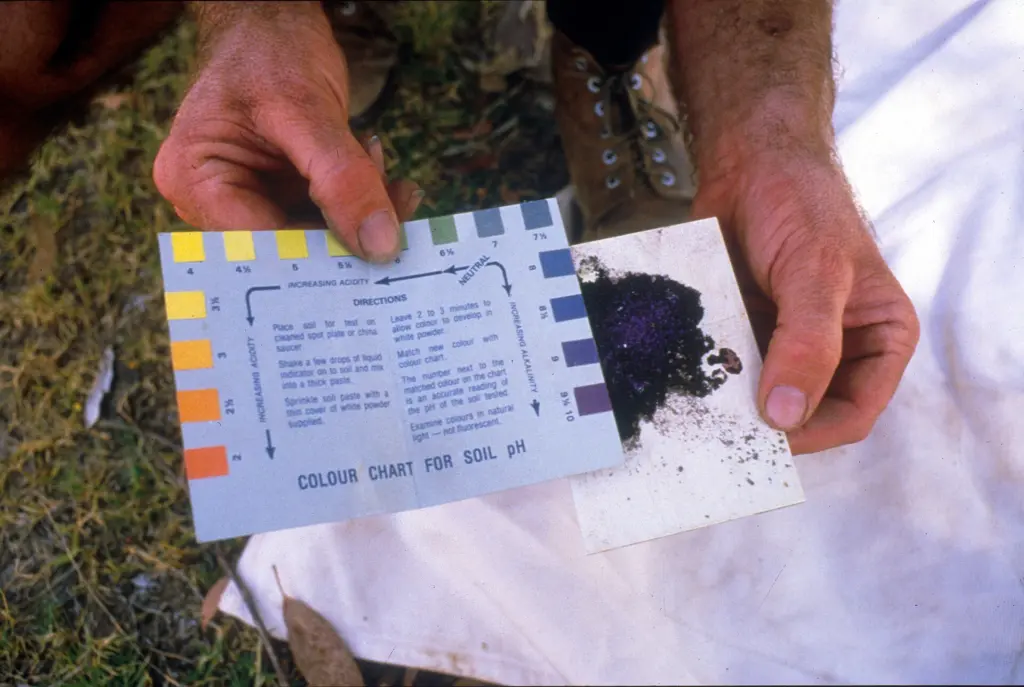
They report that Arabidopsis adjusts the release of different coumarin chemotypes according to soil pH: sideretin predominates in acidic soils, while more fraxetin is released in calcareous soils. Despite this, plants grown without their bacterial root microbiota remain iron-deficient—pointing to a partnership rather than a plant-only trick.
How they probed it: plants, bacteria, chemistry, and pH
Using genetic and chemical approaches in plants and in bacteria, the team assessed how released coumarins interacted with a wide range of root-associated bacteria to mobilize iron in the soil. They examined the plant’s pH-adapted coumarin release in the absence of microbes, then tested how adding bacteria changed iron availability and plant iron status.
In laboratory co-cultures set to different pH conditions, most of the tested root-associated bacteria rescued plants from iron deficiency. This held whether the bacteria had been collected from plants grown in iron-sufficient or iron-deficient soil, suggesting that the capacity to mobilize iron across pH regimes is prevalent across different soils.
What changed in the rhizosphere: two routes to iron, two coumarins
The results set out complementary mechanisms. First, at an acidic pH, trivalent iron (Fe(III))—a dominant, bio-unavailable form in soil—is reduced to the more soluble divalent form (Fe(II)) via reductive dissolution. In this process, sideretin is oxidized to an inactive form. Bacteria sense and interact with sideretin via a bacterial redox-sensing mechanism, and the study proposes that this used-up sideretin is imported by bacteria for recycling and subsequent release back into the rhizosphere to reduce more Fe(III)—a bacterial redox shuttle.
Second, at near-neutral pH typical of calcareous soils, mobilization of Fe(III) proceeds through an interaction between the plant’s fraxetin and a bacterial siderophore. Siderophores are iron-scavenging compounds bacteria produce and release when they detect iron scarcity. In this setting, fraxetin apparently diverts some of the siderophore-mobilized iron for plant use.
Crucially, the plant’s pH-adapted release of coumarins occurs even without microbes present, but their full function in mobilizing iron only emerges in synergy with the root microbiota. The study notes these two bacterial traits are widespread in root microbiota, suggesting deep evolutionary roots and enabling plants to leverage ancient microbial pathways.
Numbers, confidence and scope—what we can say precisely
The study reports that most tested root-associated bacteria were able to rescue iron-deficient plants in lab co-cultures across pH conditions, and that this capacity shows up across bacteria sourced from different soils. It also reports pH-specific interactions: reductive dissolution mediated with sideretin at acidic pH, and fraxetin–siderophore interactions near-neutral pH.
What’s not in the public summary are effect sizes, counts of strains, or statistical measures. The authors’ core claims, as reported, are categorical—“most” strains rescued plants under tested conditions—and mechanistic: the two complementary pathways keyed to pH and coumarin type, with plant release patterns (sideretin vs. fraxetin) switching with soil pH.
A pattern beyond iron: plants signal, microbes deliver
The iron story echoes another cooperation: Arabidopsis mobilizing phosphorus with microbial help. When phosphorus is scarce, Arabidopsis roots release malate. Rather than directly pulling much phosphorus from soil, malate acts as a call-for-help signal that draws phosphorus-solubilizing bacteria to the root surface.
Once there, these bacteria adopt a new lifestyle—consuming carbon and nitrogen compounds supplied by the plant host—and activate mechanisms that free phosphorus from otherwise inaccessible inorganic and organic sources. The released phosphorus then supports the growth of both the bacteria and the plant. Different molecules, different nutrients, same theme: specific plant-released compounds nudge surrounding microbes into supporting plant growth.
The deeper cut
Why pH splits the job: redox and chelation in the rhizosphere
At low pH, the Fe(III) → Fe(II) step matters because Fe(II) is more soluble under those conditions, and reductive dissolution becomes a practical route to mobilize iron. The study places sideretin at the center of that electron flow: it reduces Fe(III) and in doing so becomes oxidized—inactive until bacteria, via redox-sensing, import and recycle it into a form that can re-enter the cycle. Framed this way, the bacterial redox shuttle is not just auxiliary; it’s a way to keep electron carriers turning over in a porous, leaky environment where dilution and oxidation would otherwise halt the reaction chain.
Near-neutral pH shifts the advantage to chelation rather than reduction. The study’s mechanism couples fraxetin to bacterial siderophores—the latter being high-affinity iron binders synthesized when bacteria detect iron shortage. In that scenario, siderophore-bound Fe(III) becomes the common currency in the rhizosphere, and fraxetin apparently diverts a portion of that mobilized pool to the plant. The two routes—redox cycling at acidic pH and siderophore-mediated mobilization at near-neutral pH—map neatly onto how electron transfer and ligand binding each become more or less effective as proton availability changes. The plant’s pH-tuned exudation of coumarins, combined with widespread bacterial traits, lets the system pick the thermodynamically favorable move for the soil it’s in.
Limits and open questions the authors flag by implication
Several important details are not specified in the public summary. We do not get counts of bacterial strains, effect sizes for plant rescue, or quantitative measures of iron mobilization under each condition. The study proposes bacterial import and recycling of oxidized sideretin in acidic soils, but the specific transporters and steps are not listed here.
Likewise, while most tested root-associated bacteria rescued plants under lab pH regimes, the breadth of taxa and the performance differences between strains are not detailed in this account. Field validation across soil types and seasons is not discussed here. Those are the obvious next moves: identify the bacterial genes underlying redox sensing and siderophore coupling, and test whether the same coumarin–microbe choreography holds in complex, unmanaged soils.
What we know, and what we don’t—once, in one place
We know that Arabidopsis switches between sideretin in acidic soils and more fraxetin in calcareous soils; that these coumarins interact with root bacteria to mobilize iron; that the plant’s pH-tuned release happens even without microbes; and that full iron mobilization only appears with the microbiota present. We also know that, in co-culture across pH conditions, most tested root-associated bacteria restored plant iron status, and that such bacterial iron-mobilizing capacity is prevalent across soils.
We do not have, from this report, numerical effect sizes, counts of strains, or the specific bacterial proteins involved. We also lack a breakdown of how much iron is diverted to the plant versus retained by bacteria under the fraxetin–siderophore route. Those gaps frame the boundary of the current evidence.
Why this matters for farming without hype
The pattern is consistent: specific molecules released by plants can prompt surrounding microbes to support plant growth—whether by iron mobilization via coumarins or phosphorus mobilization via malate. That is the kind of mechanistic footing needed before anyone can design reliable biofertilizers or biomimetic molecules that cut synthetic fertilizer use.
As one of the study’s authors puts it, plants have never existed without microbes, and many plant traits likely reflect that shared history. Uncovering the molecular basis of these beneficial interactions with microbes will create new opportunities for sustainable agriculture.
The take-home mechanics, at a glance
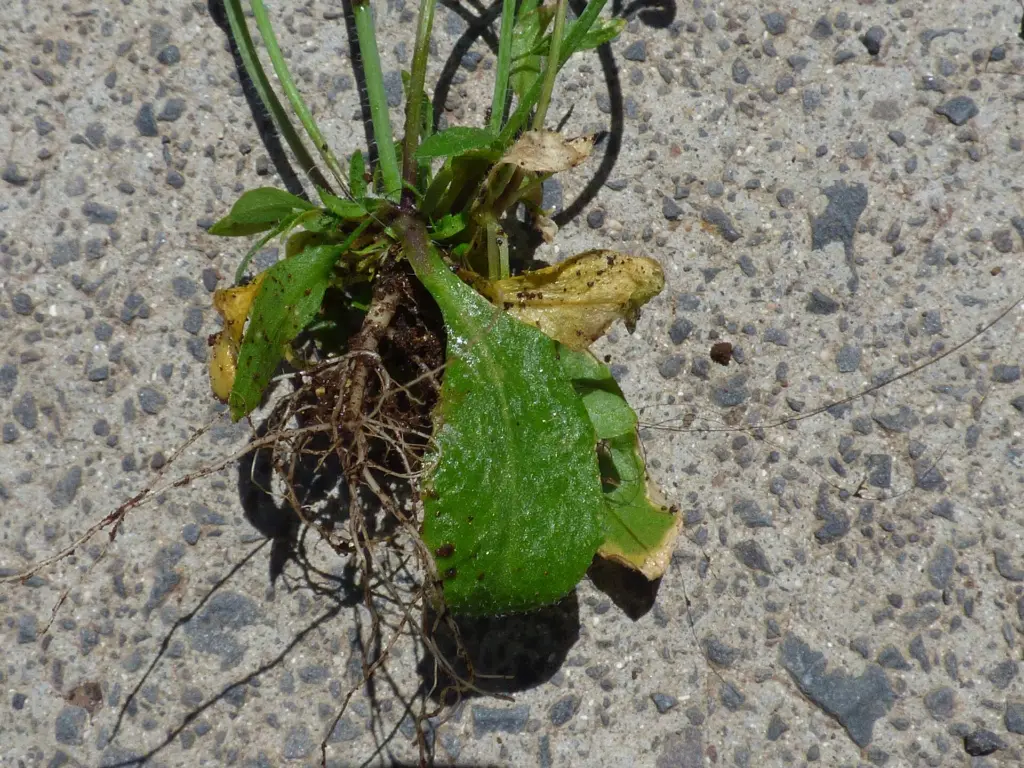
– Soil pH gates the plant’s choice of coumarin: sideretin in acidic soils; more fraxetin in calcareous soils. – On their own, plants adjust release of these coumarins with pH, but without the root microbiota they remain iron-deficient. – At acidic pH, sideretin participates in reductive dissolution of Fe(III) to Fe(II); bacteria sense oxidized sideretin and, by a redox-sensing mechanism, import and recycle it as a bacterial redox shuttle. – Near-neutral pH, fraxetin interacts with a bacterial siderophore; fraxetin apparently diverts some siderophore-mobilized iron to the plant. – Most tested root-associated bacteria rescued iron-deficient plants in lab co-cultures across pH conditions, and this iron-mobilizing capacity is prevalent across soils.
The paper: Arabidopsis uses distinct coumarins and bacterial pathways for pH-adaptive iron acquisition (Cell, 2026)
Sources: Plant-bacteria partnership reveals how roots access iron locked in soil (phys.org)
Images: Cover: NASA, Johnson Space Center / Wikimedia Commons; Figure 1: Forest and Kim Starr / Wikimedia Commons (CC BY 3.0 us); Figure 2: CSIRO Forestry and Forest Products, CSIRO / Wikimedia Commons (CC BY 3.0)
How this article was made: Everyman Science uses AI tools to structure, format and optimise its articles, and occasionally to produce illustrations where no free photograph exists. The reporting these articles are based on is human-produced and cited above. Spotted an error? Write to [email protected] and we will correct it. — The editors How we work.





Science desk team of Everyman Science, curating and reporting on the day’s most significant developments in research, space exploration, and technology.