Miniature tumors are orbiting in a chip to study metastasis risk
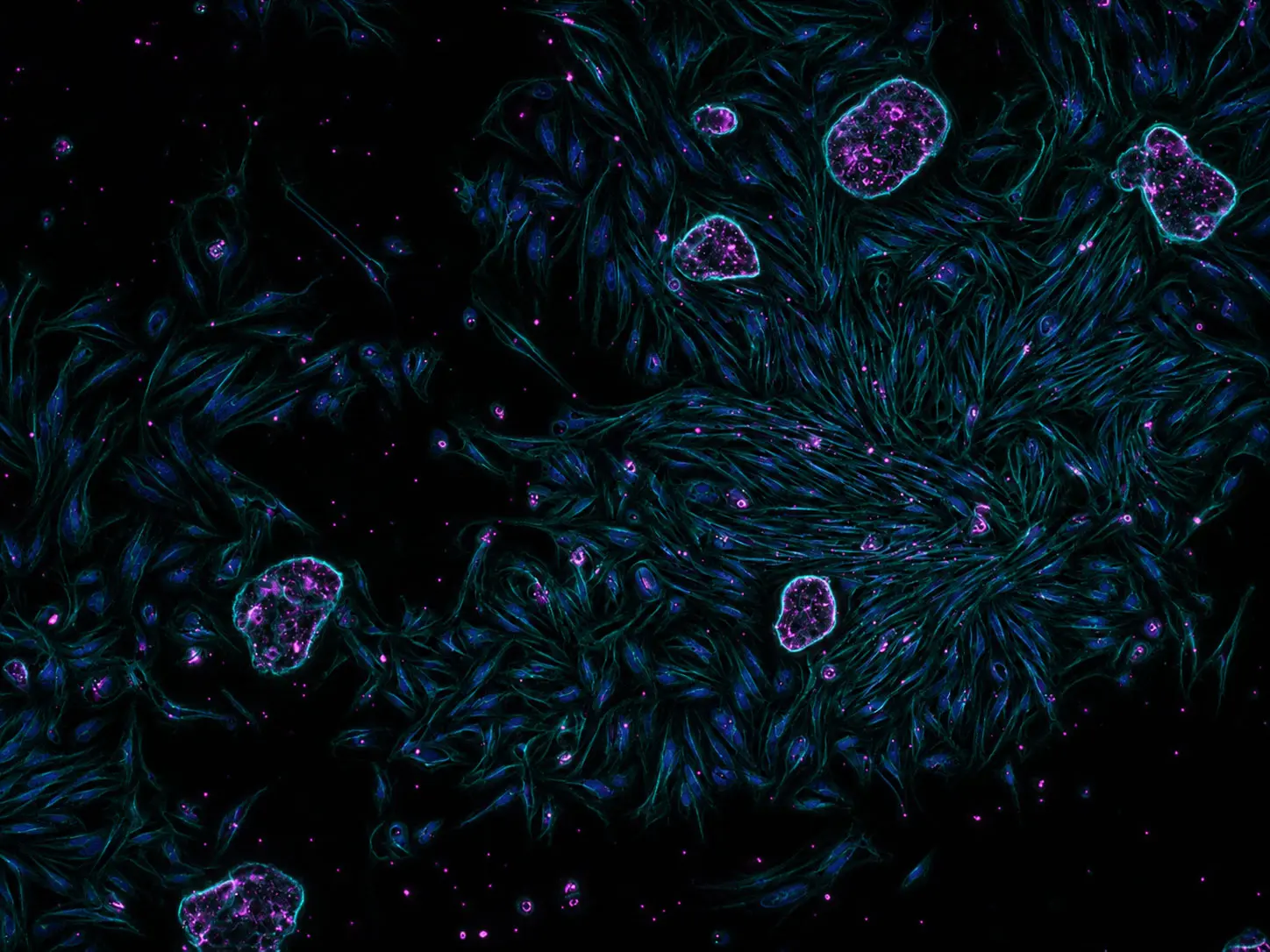
They look like miniature planets: pale spheres, each a few hundred cells across, tucked inside a transparent biochip — and they’re circling the real one. NASA released an image from November 19, 2026 showing gastric microtumors in an Encapsulates biochip aboard the International Space Station. The point isn’t spectacle. It’s a bid to learn something hard and clinically urgent: how to better predict which cancers will spread.
That’s the promise of Encapsulate‑1, an investigation that takes patient‑derived tumor samples and lets them grow and interact in orbit. The space station, NASA likes to point out, is a powerhouse of science precisely because it allows experiments that aren’t possible on Earth. When the goal is to read a tumor’s tendencies before it shows them in a patient’s body, any extra window into its behavior matters.
Why this is a story now
NASA’s latest image puts Encapsulate‑1 back in view: real human tumor fragments, cultured inside a specialized chip, are up there right now. The platform matters. The station orbits more than 200 miles (320 km) above Earth, and its environment lets investigators ask questions in ways ground labs can’t. NASA says the results could help researchers develop further testing to predict a patient’s risk of metastasis — the leap from a primary tumor to new sites — and support more personalized treatment choices.
What orbit changes about a cell experiment
On Earth, dishes and flasks ask cells to behave on flat plastic, under constant “down.” In orbit, that ever‑present shove is different, and so are the ways that cells and the fluids around them come together. NASA’s broad claim here is simple: the station unlocks experiments that aren’t possible on the ground. For cancer work, the value is the chance to watch how patient‑derived samples move and interact under those unique conditions, then compare what we see to behavior in more familiar settings.
From cell lines to patient‑derived samples
There’s a reason Encapsulate‑1 starts with material from patients. Cell lines — immortalized cells that have adapted to lab life — are incredibly useful, but they don’t always reflect a specific person’s tumor. Patient‑derived samples carry the particular mix of cell types and structures that formed inside a body. If the goal is to refine tests that sort low‑risk from high‑risk cases, starting from patient tissue makes the eventual test feel like it’s pointed at real clinical variation, not a lab standard.
Why metastasis risk is the crux
Most of the danger in cancer comes not from the original mass but from its ability to colonize elsewhere. NASA frames the hoped‑for payoff clearly: results from work like Encapsulate‑1 could help researchers build further testing to predict metastasis risk. That’s not a therapy by itself, but it is a decision tool — who needs aggressive treatment now, who can spare it, and how to time the options. The more convincingly we can sort those paths, the more personal a plan can become.
A chip built to host microtumors
The photograph shows gastric microtumors grown in an Encapsulates biochip. A “biochip” here means a tiny, contained environment designed to keep tissue alive and observable. The key feature isn’t a clever valve or a brand‑new chemistry; it’s the ability to support patient‑derived miniature tumors long enough to watch how they organize and interact. Put that chip on a platform where experiments not possible on Earth can happen, and you have a different angle on familiar questions.
The deeper cut
What the variable really is
For readers who think in experimental design: treat “space” less as a destination and more as a knob you can turn. The intervention in Encapsulate‑1 isn’t a drug; it’s the environmental context provided by the ISS. The claim allowed here is minimal but important — NASA’s: experiments not possible on Earth become possible on station. In practice, that means investigators can construct paired protocols: matched patient‑derived samples handled with identical feed, schedule, and readouts, with the lone deliberate difference being the orbital context. The metric downstream is not prespecified here, but NASA points to “further testing to predict a patient’s risk of metastasis” as the use‑case. Conceptually, that implies that whatever is being observed in orbit can be reduced to something reproducible on the ground — a pattern or readout that stratifies risk — otherwise it could not become a test. In other words: you fly to learn, but you bring the lesson back as something you can measure in a clinic without a rocket.
What we don’t know yet
NASA does not enumerate which tumor types beyond the gastric samples in the image are being grown, the exact readouts being collected, or how results will translate into a clinic‑ready assay. It also doesn’t specify timelines or success criteria. The claim is bounded: results could help researchers develop further testing for metastasis risk and support more personalized treatments; it does not say the project already provides those tests.
If it works, what changes on Earth
A useful outcome here wouldn’t mean sending every biopsy to orbit. It would look like a grounded, reproducible way to probe a tumor’s tendency to spread — informed by what was only visible in the station’s unique environment. That’s the through‑line NASA sketches: use the ISS’s distinctive conditions to surface behaviors we can then test for back home, so oncologists can sort patients by risk with greater confidence.
Why fly this to a laboratory 200 miles up
Because NASA positions the station as a laboratory that unlocks discoveries not possible on Earth, and Encapsulate‑1 is using that lab for patient‑derived tumors. Orbiting more than 200 miles (320 km) above Earth, the ISS gives researchers another way to watch how these tissues move and interact. If that helps sharpen tests that flag metastasis risk, it’s a practical victory for personalization: a better map for who needs what, and when.
Sources: Studying Cancer Cells in Microgravity (www.nasa.gov)
Images: Cover: NASA/JSC
How this article was made: Everyman Science uses AI tools to structure, format and optimise its articles, and occasionally to produce illustrations where no free photograph exists. The reporting these articles are based on is human-produced and cited above. Spotted an error? Write to [email protected] and we will correct it. — The editors How we work.





Science desk team of Everyman Science, curating and reporting on the day’s most significant developments in research, space exploration, and technology.