Montana’s blue sucker can live 130 years—and some hatched in the 1800s
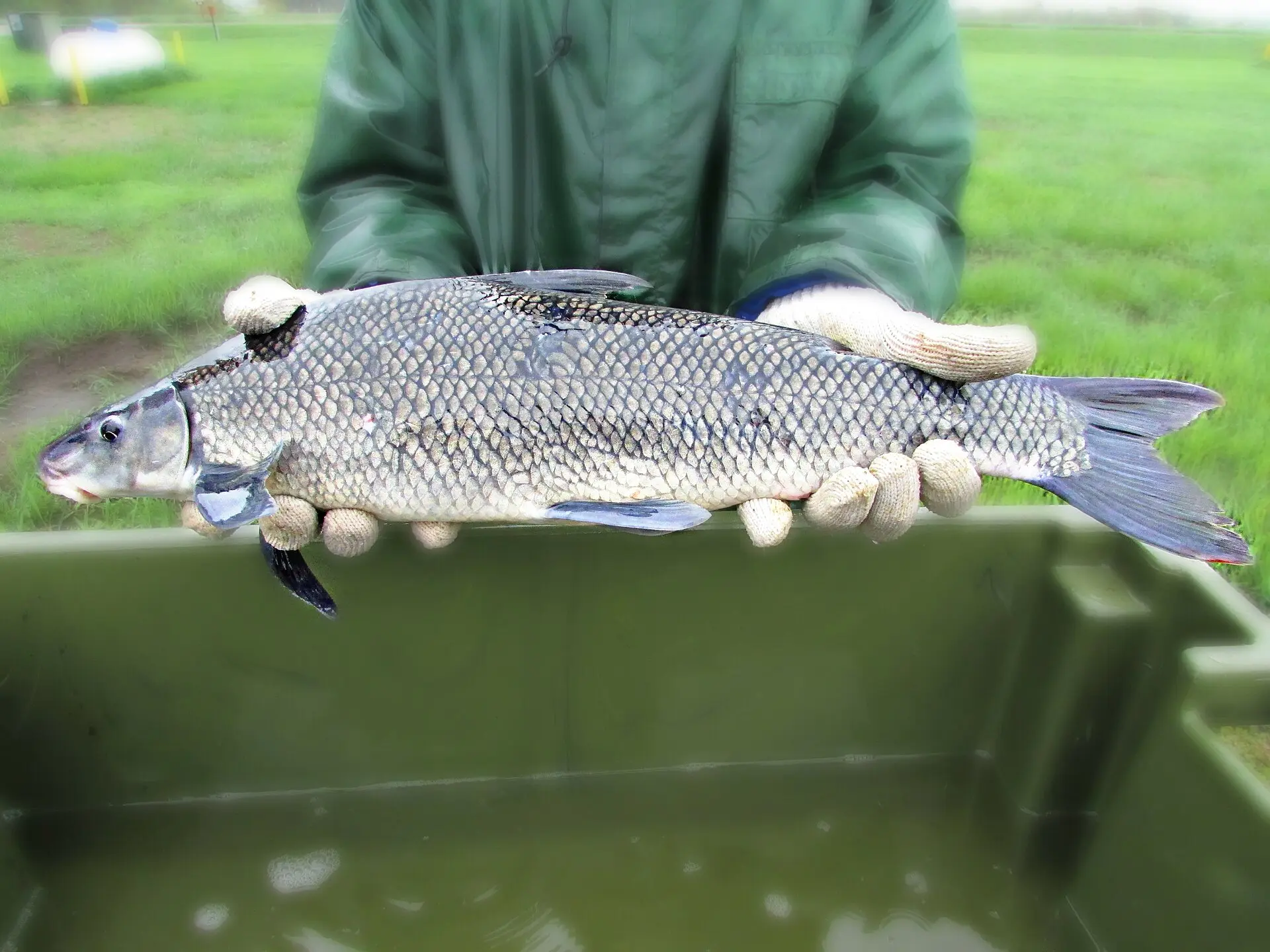
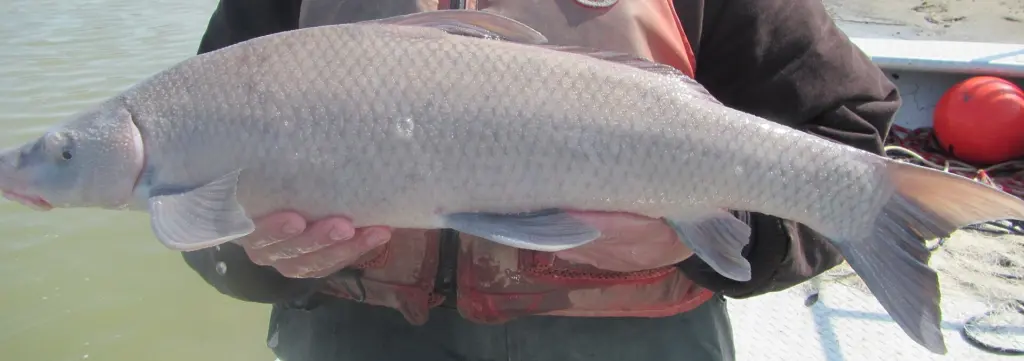
Hold a river stone that remembers Montana’s statehood. That’s the blue sucker’s otolith—the tiny ear bone whose layers, read like tree rings and checked against Cold War fallout, have revealed lifespans up to 130 years in a native fish of the Upper Missouri River.
In a study in Communications Biology, researchers validated ages that push well past human memory and well past what managers assumed. It’s more than a curiosity. Knowing a fish can outlive a century changes what it means when young fish stop showing up.
A fish old enough for statehood anniversaries
Researchers report blue suckers living up to 130 years—more than triple the previous estimate of around 40 years. Some individuals alive today hatched in the late 1800s. One, said Montana fisheries biologist Luke Holmquist, “hatched around two years after Montana became a state.” Those are not metaphors; they are literal hatch years assigned from the fish’s own calcified record.
That longevity also makes the species part of a small, newly recognized club. With this result, the blue sucker becomes the fourth centenarian catostomid (sucker) fish discovered since 2019, joining three buffalofishes. Age, long underestimated, turns out to be one of the most surprising things about these river specialists.
How do you count to 130 in a fish’s head?
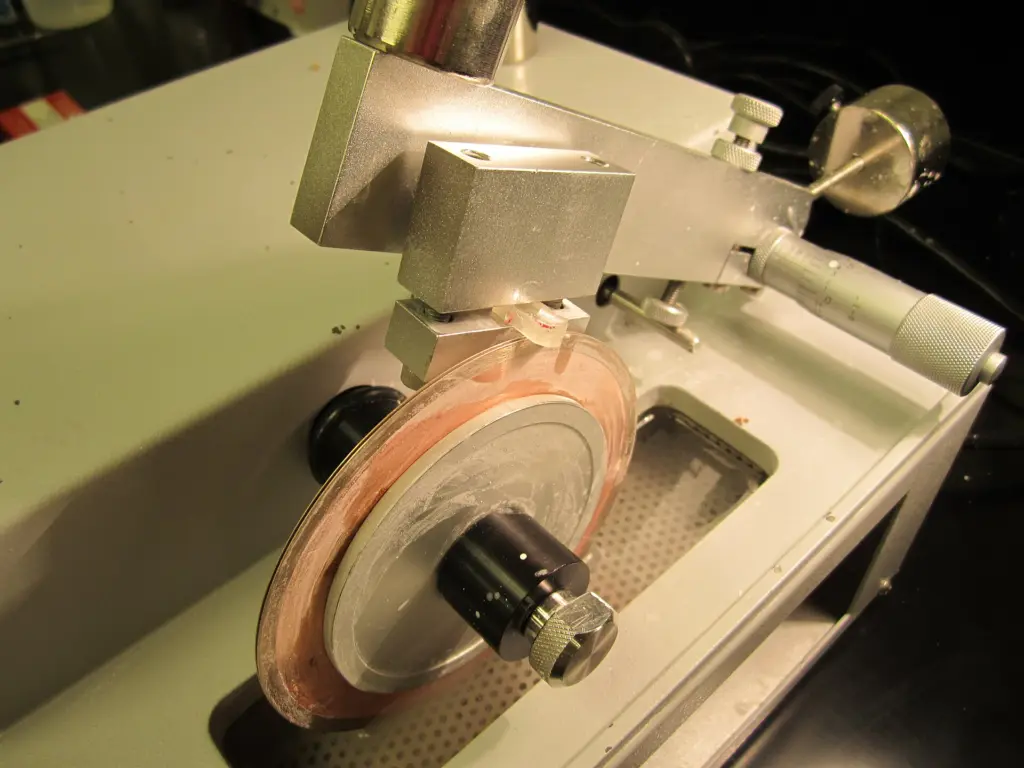
The work hinges on otoliths, stone-like structures in the inner ear that accrete a new layer each year. Approximately 97% of fish species have otoliths, and when thin-sectioned and examined under a compound microscope, their growth bands can be counted like rings in a tree.
But counting bands is only half the story. The team co-led by Alec Lackmann, Ph.D., used bomb radiocarbon dating to validate those counts against a known time marker in nature. Thermonuclear tests in the mid-20th century more than doubled atmospheric radiocarbon; organisms that lived through that “bomb pulse” carry a dated spike in their tissues. Matching blue sucker otolith bands to that spike provided an independent check that the otolith ages—and the extreme longevity—are real.
Population math with a warning light
Numbers about who’s born matter as much as numbers about who grows old. Population data over three decades from Montana have shown virtually no small (young) blue suckers entering the population—evidence of recruitment failure. If a species can live a century yet new cohorts are missing for decades, the adults you see now may be the last big age classes for a long time.
The species’ conservation status underscores the concern. Native to 23 states, the blue sucker is categorized as imperiled in 22 of them. Against that backdrop, the study’s age validation is not an esoteric detail; it reframes how slowly this fish replaces itself when conditions go wrong.
By the numbers that changed the picture
Close to 50 fish were carefully collected and processed to build the age record. The oldest ages reached 130 years, compared with a long-circulated estimate of about 40. Some living fish traced their first growth bands to the late 1800s. And with this finding, blue sucker joined three buffalofishes as the fourth centenarian sucker on record.
That “more than triple” leap in known lifespan is the sense of scale to keep in mind. Management rules written for a 40‑year fish and for a 130‑year fish do not have the same margins for error.
The deeper cut
Reading the bomb pulse in bone
Bomb radiocarbon validation leverages a globally synchronous perturbation: the rapid rise in atmospheric 14C from thermonuclear testing in the mid–late 1950s into the early 1960s. That pulse moved from air to surface waters and into food webs, leaving a transient, dated enrichment captured in accreting hard parts—tree rings, corals, fish otoliths. If annual banding is correct, bands assigned to years that straddle the pulse should show a distinct step up in 14C, with pre‑pulse bands low and post‑pulse bands elevated. Crucially, the within‑individual sequence must align with the known temporal shape of the pulse, and cross‑individual comparisons of similar birth years should be concordant. In practice, this gives two orthogonal tests: chronology within a single otolith section and cohort matching across fish. When both agree, the method not only validates longevity but also the band‑counting protocol itself. As Lackmann notes, that dual line of evidence is why bomb radiocarbon is among the best options for age‑validating long‑lived organisms with annual growth markers.
What we still don’t know from these figures
The evidence here nails down that some blue suckers reach 130 years and that small fish have been scarce in Montana monitoring for decades. It does not specify how many individuals in the sample reached those top ages, or lay out a full age distribution across the population. Nor does it resolve why recruitment has faltered.
Those gaps matter for forecasting. Pinpointing how common super‑old fish are, and how often new cohorts appear, would translate age validation into population models and, ultimately, management choices.
Why longevity changes the conservation calculus
When a species is categorized as imperiled in 22 of the 23 states where it’s native, every demographic rate counts. A fish that can live 130 years can also take a long time to replace itself. That stretches the timeline between damage and recovery and makes missing cohorts over three decades hard to shrug off.
The study’s contribution is to replace guesswork with measurement. By showing, with bomb radiocarbon validation, that blue suckers can be centenarians, the researchers give conservationists numbers to plan around—and a rare, sobering timescale for river life.
The paper: Bomb-radiocarbon validated otoliths reveal 130-year lifespans and declining recruitment for blue sucker Cycleptus elongatus of the Upper Missouri River, Montana, USA (Communications Biology, 2026)
Sources: A fish as old as Montana—the blue sucker discovered to live well over 100 years (phys.org)
Images: Cover: USFWS Mountain-Prairie, Spencer Neuharth / USFWS / Wikimedia Commons; Figure 1: USFWS Mountain Prairie / Wikimedia Commons; Figure 2: Dona Eidam/USGS / Wikimedia Commons (CC BY-SA 3.0)
How this article was made: Everyman Science uses AI tools to structure, format and optimise its articles, and occasionally to produce illustrations where no free photograph exists. The reporting these articles are based on is human-produced and cited above. Spotted an error? Write to [email protected] and we will correct it. — The editors How we work.





Science desk team of Everyman Science, curating and reporting on the day’s most significant developments in research, space exploration, and technology.