
Counting condors, counting costs: how a near‑extinct bird spotlights who gets saved — and who decides
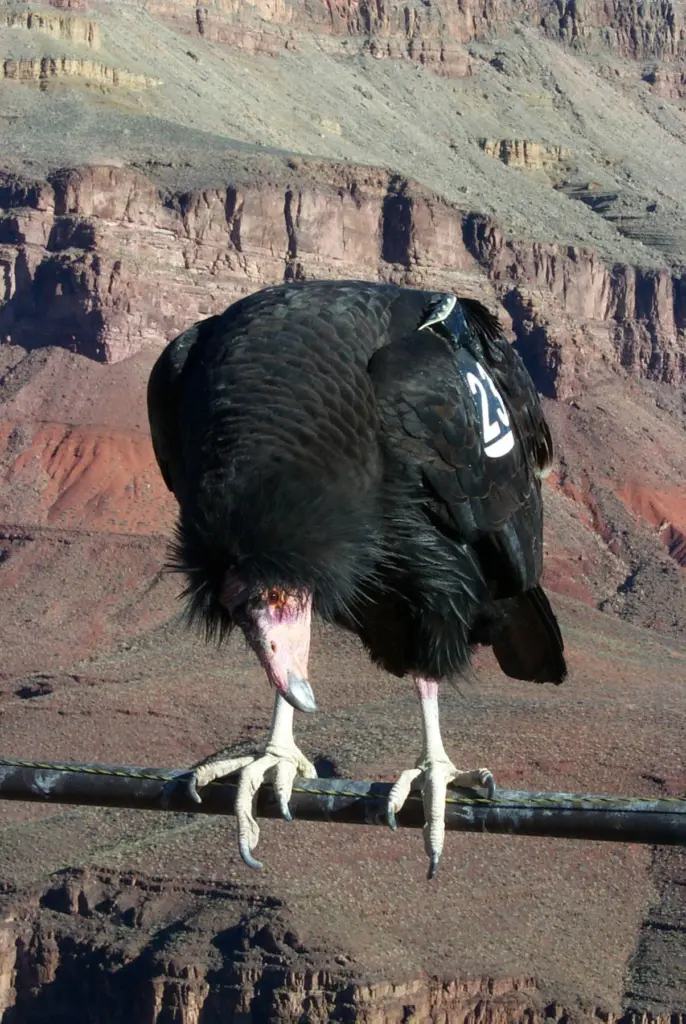
In 1987, biologists trapped the last free‑flying California condor and moved it into captivity. The largest flying bird in North America was officially declared extinct in the wild. That was the nadir. Decades later, more than 300 condors have been restored to their natural environment.
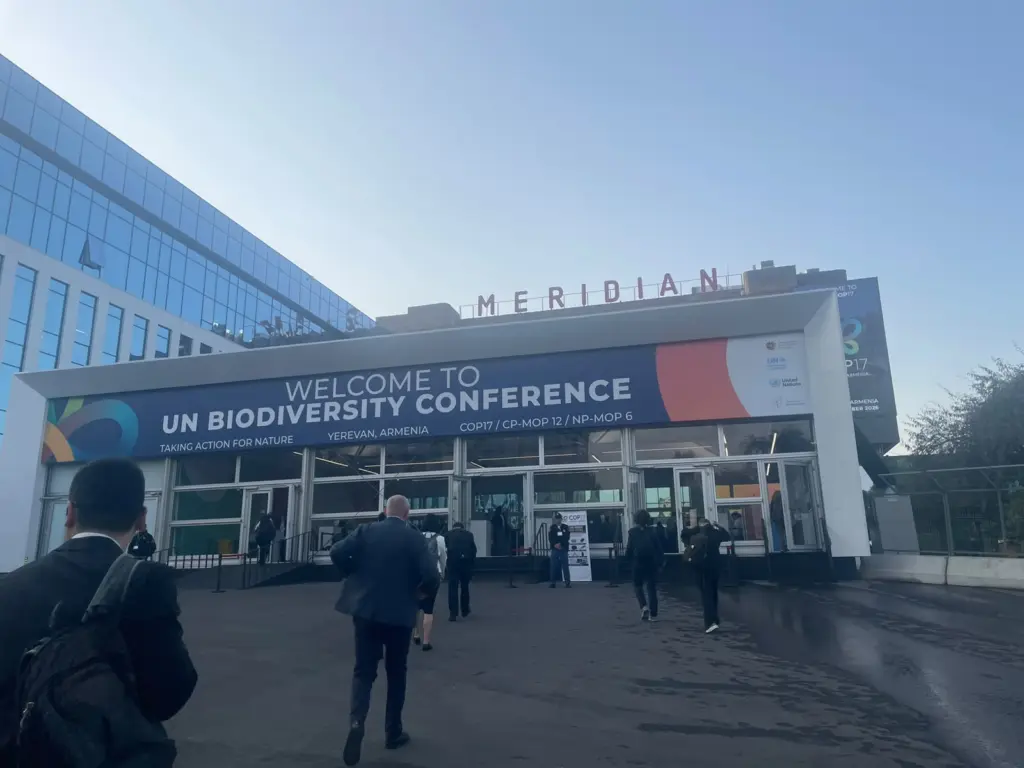
It’s one of conservation’s most dramatic turnarounds—and one of the most argued‑over. The condor’s path back forced choices about which species to back, what price to pay, and who bears the trade‑offs. Those same choices take center stage this month as governments meet in Yerevan, Armenia, for the U.N. Convention on Biological Diversity.
A recovery told in two numbers: 1987 and 300‑plus
The recovery’s bookends are stark. In 1987, the free‑flying population hit zero when the final wild bird was captured for a last‑chance breeding program. Today, coordinated releases have put more than 300 condors back into wild skies. Those figures don’t explain the breeding protocols or the politics—but they fix the scale of what was risked and what was won.
That wager—pulling every bird into captivity—was controversial then and remains instructive now. It shows that when extinction in the wild is imminent, triage becomes literal: decisions must be made quickly, and they lock in decades of financial and social commitments.
Who gets the money? Charisma and bias in the ledger
A 2025 analysis of more than 14,000 species‑focused projects from 1992–2016 found that five mammal groups—primates, carnivores, whales, elephants and rhinos—received 86% of available funding, even though they accounted for only about a third of threatened mammal projects. Plants and invertebrates, crucial to pollination and nutrient cycling, received just 6.6%.
A separate study in Proceedings of the National Academy of Sciences reported that global conservation funding is limited and biased, leaving most threatened species unsupported. Together, the picture is plain: funding concentrates where public attention is deepest, not necessarily where extinction risk or ecosystem leverage is greatest.
The bill for biodiversity dwarfs today’s targets
The Kunming‑Montreal Global Biodiversity Framework aims to raise $200 billion a year from public and private sources by 2030. Against that ambition stands a sobering assessment from economists and conservation groups at the Paulson Institute: the world needs an additional $1.3 trillion annually to stop and reverse biodiversity loss.
Set beside an estimated 1 million species now threatened with extinction, the arithmetic is bracing. Even if countries hit the $200 billion target, the remaining gap is many times larger—pressure that will force sharper choices about high‑cost single‑species rescues like the condor versus interventions that benefit many species at once.
Who decides—and who pays—when recovery changes lives?
Conservation reshapes real places. At the 2026 biodiversity conference in Yerevan (Oct. 19–30), delegates are expected to settle how a permanent advisory body created in 2024 will operate and how 30% global conservation targets apply in Indigenous territories. The stakes are practical: participation versus decision‑making power, and how money flows to people on the land.
The risks of getting this wrong are visible elsewhere. In Tanzania’s Ngorongoro Conservation Area, two presidential commissions in March 2026 recommended continuing evictions in the name of wildlife protection, a process that Indigenous advocates say included few Maasai. Species recovery without local consent can fray trust—and fail on the ground.
The deeper cut
Skew by design: how 86% crowds out the rest
Funding skew isn’t a rounding error; it dominates portfolio outcomes. If five mammal groups absorb 86% of available species‑project funding while representing about one‑third of threatened mammal projects, then per‑project support within those groups is, on average, several‑fold higher than for the remaining mammals. Add the 6.6% slice for plants and invertebrates, and you see why many taxa with large numbers of threatened species remain chronically under‑resourced despite high ecological leverage (pollination, detrital processing). The budget structure also amplifies variance: charismatic‑species projects attract additive private donations and media attention, further widening the gap. When a system is tuned this way, marginal dollars into already‑favored groups yield diminishing returns (saturating interventions), while neglected taxa sit on steeper parts of their benefit curves (cheap wins left on the table). For planners, the implication is not to defund flagships but to re‑balance: cap per‑species allocations where outcomes saturate, and ring‑fence floors for under‑funded clades. Without structural constraints, the path‑dependence of public attention will keep re‑creating the same skew across grant cycles.
What these numbers don’t tell us
The figures here don’t specify the dollar cost of the California condor program, nor how much of global species funding reaches birds like condors. They also don’t break down which specific projects will count toward the $200 billion‑per‑year target or how much will go directly to Indigenous‑led conservation. Those omissions matter for judging cost‑effectiveness and equity, but they remain unsettled in the public record cited here.
Why the condor still earns its airtime
With wild numbers reduced to zero in 1987 and hundreds now flying again, the condor proves that species on the brink can be pulled back. It also shows the price of ambition: recovery programs commit societies to long time horizons that compete with thousands of other threatened species for money and attention.
As COP17 hammers out who decides and how the money moves, the lesson from the condor is less about wingspan than governance. Success depended on sustained institutions and social license. If the coming decade can match that persistence—while correcting the documented funding bias—more of those 1 million imperiled species will get a real shot at recovery.
The road from Yerevan
The framework’s $200 billion target is designed to steer national priorities, not dictate species lists. That keeps room for countries to back high‑profile rescues, but it also makes the guardrails in Yerevan—on Indigenous decision‑making and on how 30% targets apply—central to whether spending aligns with both ecological need and local legitimacy.
The condor’s story is a reminder: conservation works best when it adds up on paper and on the ground. The next count that matters isn’t just birds in the air—it’s dollars, decisions, and who gets a seat at the table.
The paper: Limited and biased global conservation funding means most threatened species remain unsupported (Proceedings of the National Academy of Sciences, 2025)
Related research: Local-global linkages in biodiversity governance: The regime complex of the convention on biological diversity agenda for nature pledges (Environmental Science & Policy, 2025); Optimal Allocation of Resources among Threatened Species: a Project Prioritization Protocol (Conservation Biology, 2009)
Sources: Who should have a say in which species are saved? The California condor offers lessons for a global biodiversity treaty (phys.org)
Images: Cover: California Department of Fish and Wildlife from Sacramento, CA, USA / Wikimedia Commons (CC BY 2.0); Figure 1: Grand Canyon National Park / Wikimedia Commons (CC BY 2.0); Figure 2: Mammysou17 / Wikimedia Commons (CC BY-SA 4.0)
How this article was made: Everyman Science uses AI tools to structure, format and optimise its articles, and occasionally to produce illustrations where no free photograph exists. The reporting these articles are based on is human-produced and cited above. Spotted an error? Write to [email protected] and we will correct it. — The editors How we work.





Science desk team of Everyman Science, curating and reporting on the day’s most significant developments in research, space exploration, and technology.