On Phobos, down is a suggestion. Japan’s MMX aims to bring 10 grams home
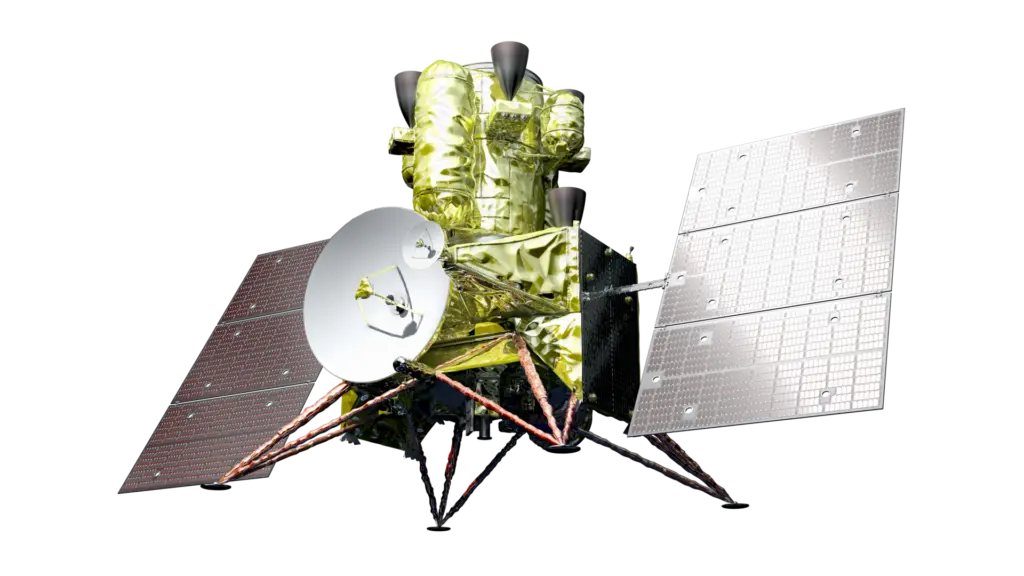
At 04:41 Japan Standard Time on 20 October 2026, an H3 rocket is due to rise off the Tanegashima Space Center with a small payload and a long memory. Inside is Martian Moons eXploration—MMX—a spacecraft built for a simple, audacious task: land on Phobos, collect material, and bring it back to Earth.
No one has ever returned a sample from a Martian moon. If all the choreography holds, this will be the first time a mission scoops Phobos and ships the grains home.
A year out to Mars, then in close
The plan stretches over years. MMX is expected to take around a year to reach Mars and enter orbit in August 2027. From there, it will spend time studying Phobos from a distance before closing in.
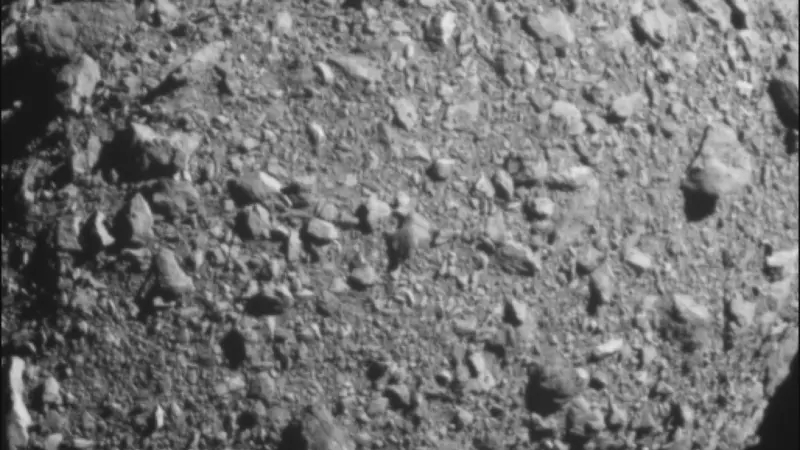
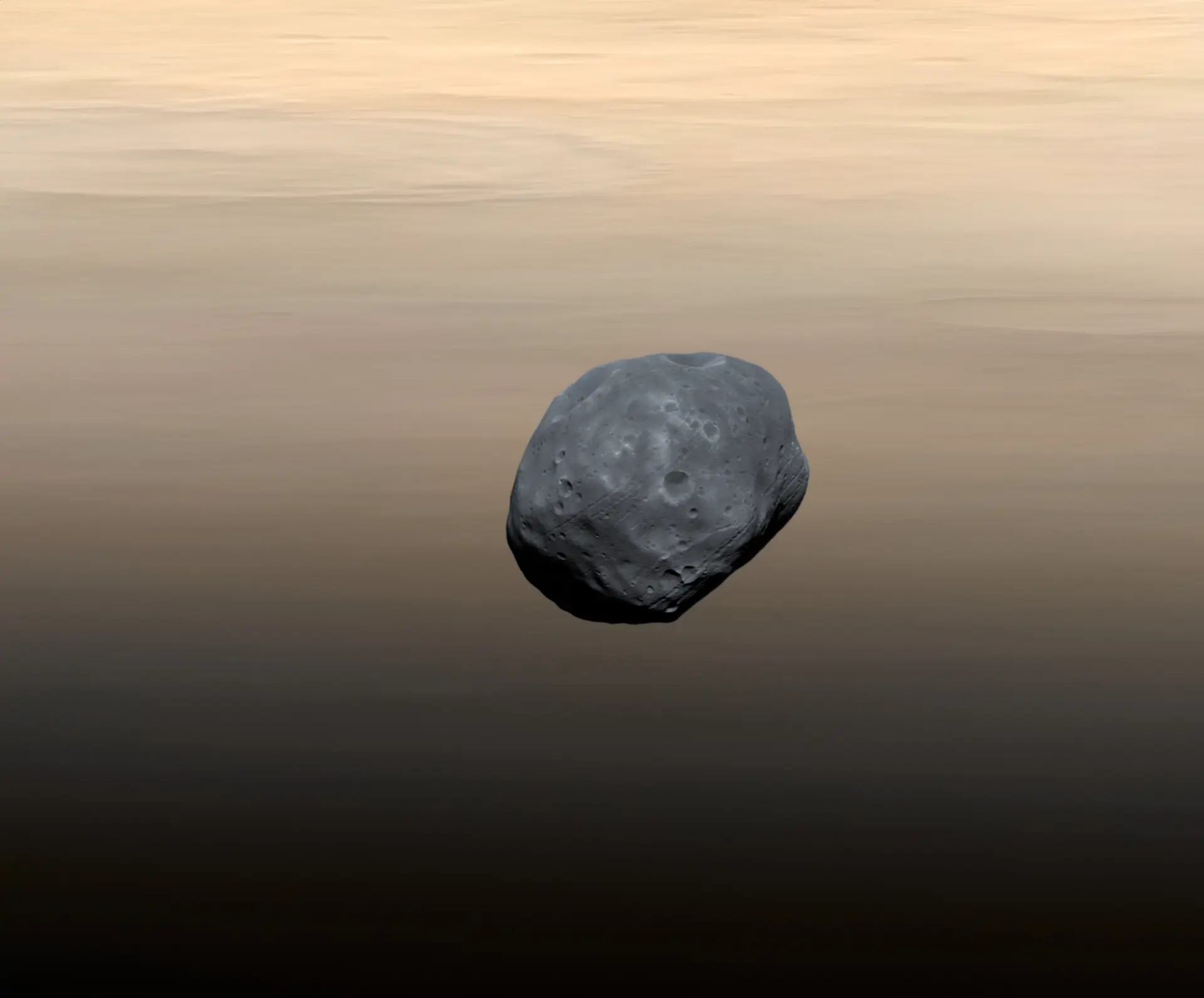
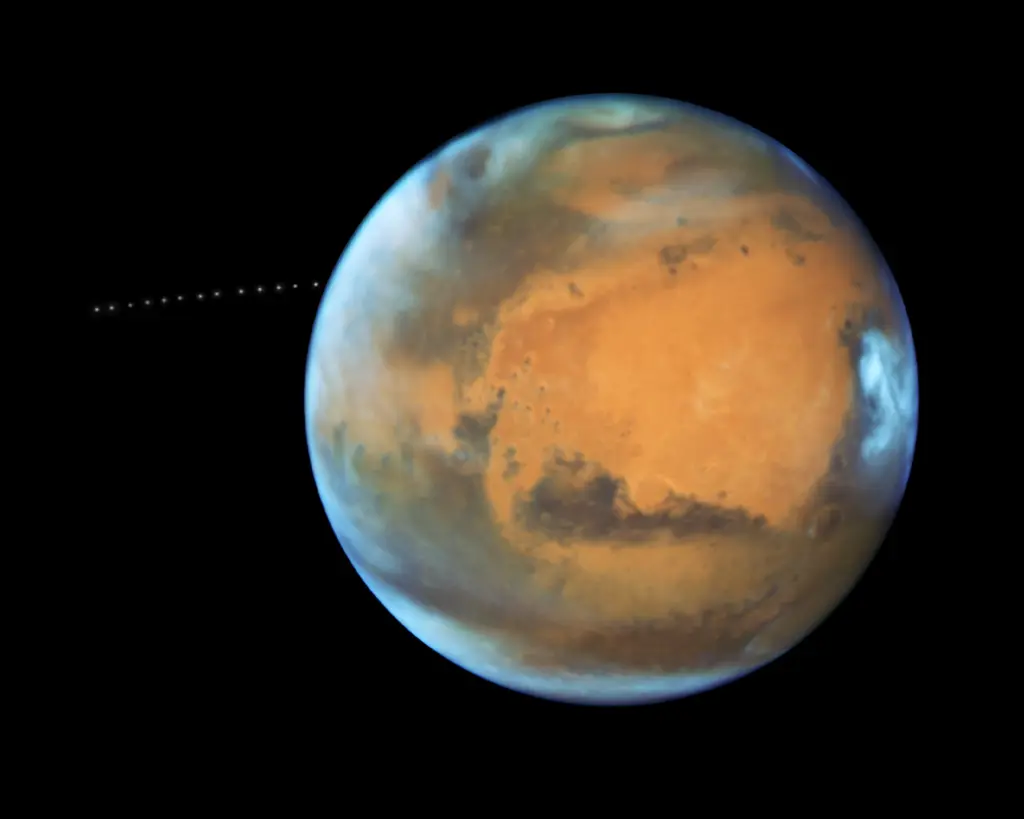
Phobos is not a forgiving neighbor. The moon circles about 6,000 kilometers above the Martian surface, a realm where gravity is so feeble that a clumsy nudge can become an escape.
A tiny rover that weighs 15 grams
Early in 2029, the spacecraft will release a 25‑kilogram rover called Idefix to Phobos’ surface. The rover has two main jobs: scout for a safe touchdown and probe the surface’s composition and texture.
On Phobos, Idefix will “weigh” the equivalent of about 15 grams. That’s the challenge in a nutshell: instruments and wheels built on Earth must work where down is barely a suggestion.
Designing for a landing where gravity barely helps
Even for the mother ship, the hardest parts aren’t the engines but the legs. JAXA’s engineers have said developing the landing legs was particularly difficult because Phobos’ gravity is extremely weak. In ordinary landings, gravity helps you settle. Here, it threatens to bounce you back into space.
MMX carries 11 science instruments to make the most of its time near the moons. But the headline work happens on the ground—twice.
Two touchdowns, one promise: at least 10 grams
In 2030, the main spacecraft is expected to land on Phobos to collect samples. Mission plans call for two collection landings, giving the team a second try at a different spot or a backup if the first proves stingy.
Between the attempts, the spacecraft is tasked with securing at least 10 grams of material. It is a deliberately modest target—grains and flecks, not jars and rocks—but enough for modern labs to work with for years.
Three years with Phobos, then a turn toward Deimos
MMX will end its close observations of Phobos after about three years. With that work banked, the mission will shift its focus to Deimos for a series of flybys, building a paired picture of Mars’ two small moons.
Near the end of 2030, the spacecraft will attempt to head home. If the trajectory holds, the sample-return capsule is scheduled to reach Earth in 2031 for a landing in Australia before transfer to Japan.
What a 6,000‑kilometer orbit means for operations
Phobos’ path just 6,000 kilometers above Mars complicates everything from navigation to safety margins. The moon sits deep in Mars’ pull, where small errors grow and “hovering” is an active, not a passive, verb.
It also means the spacecraft must repeatedly thread a path between a world and its moon while staying close enough for landings and far enough to keep fuel and time on its side.
The deeper cut
Microgravity tactics: when 25 kilograms weigh 15 grams
On Phobos, Idefix’s 25‑kg mass translates to the pull of roughly 15 grams at Earth gravity—about 0.15 newtons. That tells you the surface acceleration is thousands of times weaker than on Earth. In that regime, frictional traction scales down with normal force, so conventional roving becomes dicey: even modest wheel torques can break static friction and send the vehicle skating. Designers lean on low-torque actuation, compliant suspensions, and gaits that minimize impulsive loads. Hops and controlled falls replace “driving” because brief ballistic arcs are more predictable than trying to push against almost nothing. For the lander, the same physics flips the usual playbook. Touchdown dynamics are governed by micro-impacts: if the vertical momentum at contact isn’t bled off through crushable structures or active throttling, the craft rebounds with nearly the same speed. Anchoring—usually a bolt or harpoon—has to be balanced against the risk of ejecting regolith into sensitive mechanisms or imparting a torque the legs can’t counter. The leg system must find purchase on granular material that barely settles, while distributing loads to avoid sink-in. Guidance, navigation, and control loops are tuned for long time constants and tiny thrust corrections; over-correction is a way to fly off. Every gram of sampling hardware, every spring constant in a footpad, is trading against the physics of almost‑no‑gravity.
What we won’t know until the capsule opens
No one can say in advance what information will be locked in those grains from Phobos, or how evenly the two landings will fill the sample quota. The moon’s surface has only been glanced by flybys; the texture and cohesiveness that matter to a sampler are still mostly guesses.
That is why the plan builds in two attempts and years of reconnaissance first. The science upside is tied to a simple event: a capsule on the ground in Australia with at least 10 grams sealed inside.
A round trip with an eye on the long game
If MMX keeps to its timeline, the return attempt comes in November 2030, with the capsule’s Earth landing in 2031. From the landing site in Australia, the container will be transferred to Japan for sample extraction and sharing with partners.
Getting even a spoonful from Phobos is the point. It is a test of landing gently where gravity barely tugs, of collecting twice, and of threading back from Mars’ neighborhood to a target ellipse on Earth. If the capsule lands with those grains inside, a first in planetary exploration becomes a laboratory reality.
Sources: Mars moon lander set to launch on 19 October (www.esa.int); Returning the first samples from a Martian moon: Inside the science of Japan's bold MMX mission to Mars (www.space.com); Japan to launch historic round-trip mission to Mars moon (phys.org)
Images: Cover: Andrea Luck / Wikimedia Commons (CC BY 2.0); Figure 1: NASA/JPL; Figure 2: This work is licensed under the Government of Japan Standard Terms of Use (Ver.2 / Wikimedia Commons (CC BY 4.0)
How this article was made: Everyman Science uses AI tools to structure, format and optimise its articles, and occasionally to produce illustrations where no free photograph exists. The reporting these articles are based on is human-produced and cited above. Spotted an error? Write to [email protected] and we will correct it. — The editors How we work.





Science desk team of Everyman Science, curating and reporting on the day’s most significant developments in research, space exploration, and technology.