How to teach microbes to make fuel, the cow’s-way-turned-industrial
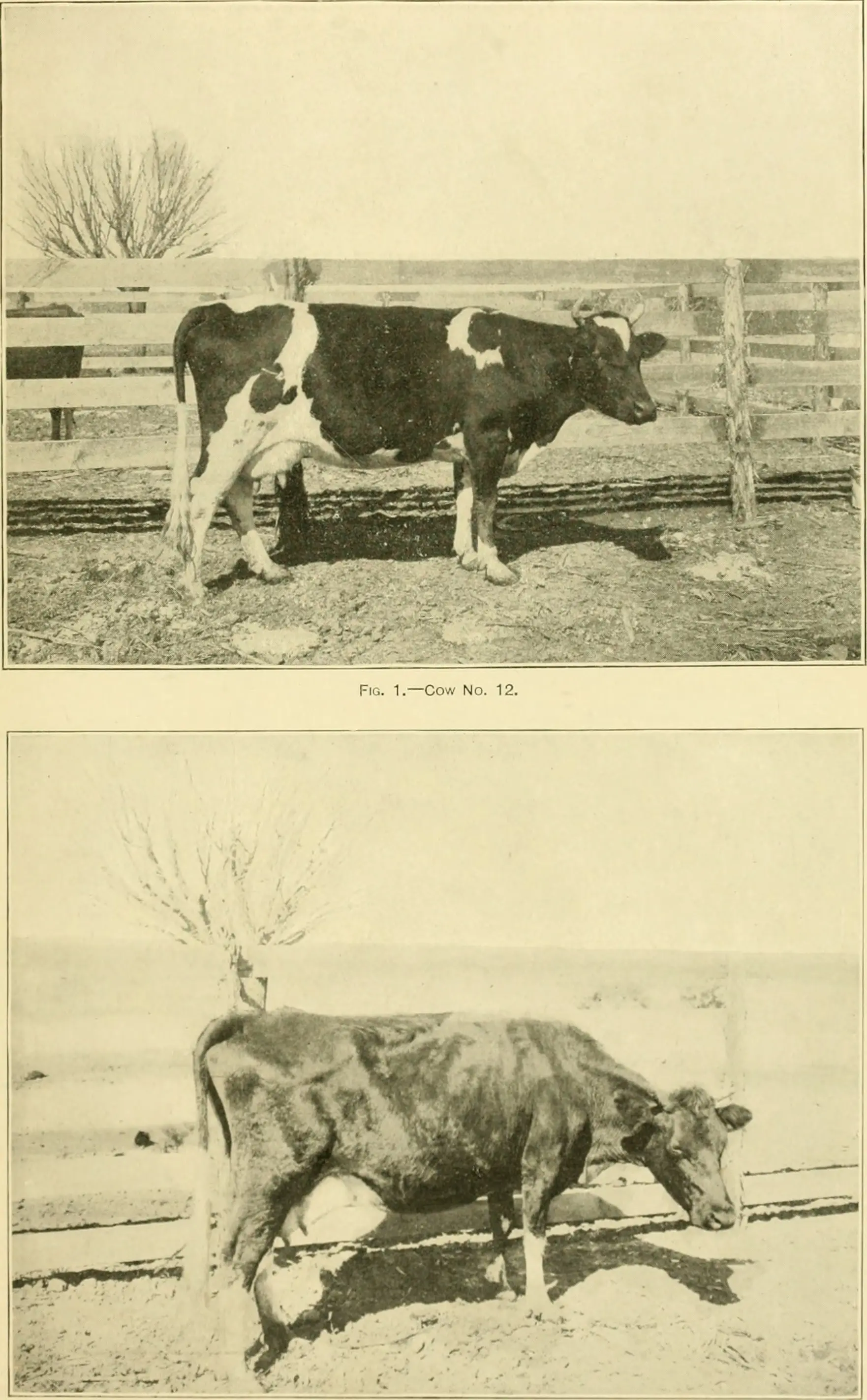
Walk a South Texas pasture at dawn and you might see two very different futures side by side: cows worrying sparse grass, and thickets of prickly pear that ranchers curse. One feeds beef; the other, mostly, feeds the burn pile. A group at Texas A&M University wants the cactus—and manure and other biodegradable leftovers—to feed something else entirely: a tank of microbes that turns waste into the building blocks of fuels and industrial chemicals. The team says they can convert biodegradable biomass into those products by copying what happens inside a cow’s stomach, only with valves and gauges instead of hooves and horns.
Why this is in the news now
Texas A&M University researchers describe a process that channels biomass into renewable fuels and chemicals via microorganisms, rather than burning or fermenting it to gas. In their telling, the key products are carboxylic acids—molecules like acetic acid—that they say are 10 to 15 times more valuable than biogas. Separate work at the same institution points to a land-use angle: grazing cattle on rangeland typically brings in only $10 to $20 per acre each year, while cultivating prickly pear on that land could potentially return $100 to $200 per acre annually. The economic hook is clear; the chemistry is where the story gets interesting.
The original bioreactor grazes grass
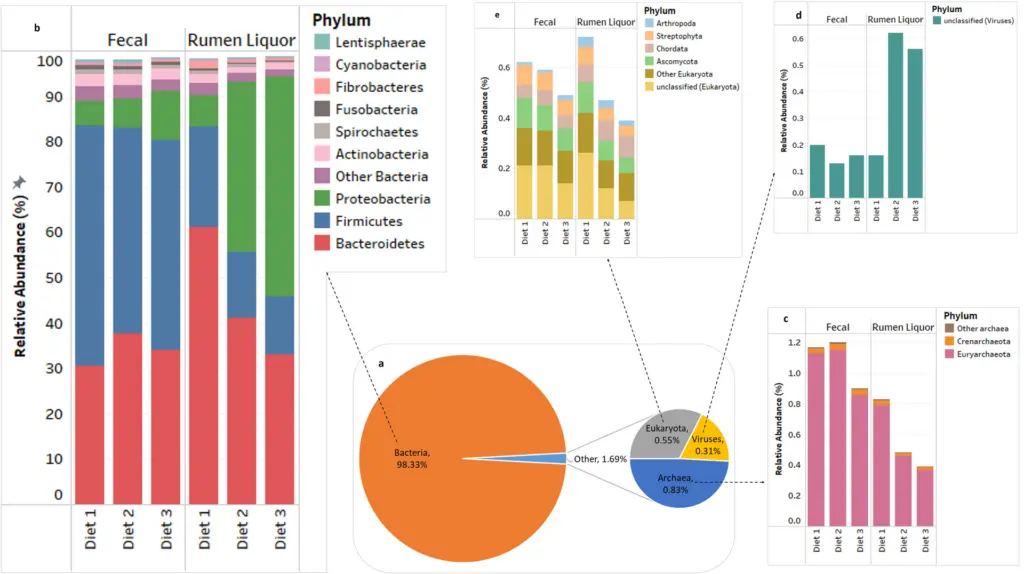
Cattle carry a specialized stomach compartment—the rumen—that is basically a warm, wet fermentation vat. Dr. Mark Holtzapple explains that in this chamber, a diverse community of microorganisms attacks tough plant fibers such as grass and produces carboxylic acids, including acetic acid. The animal absorbs those acids through the rumen wall and runs on them like we run on sugars.
If you’ve heard the rumen compared to a compost heap, that’s not wrong as an intuition. But composting is aerobic and hot, while the rumen is anaerobic and finely chemically buffered; the analogy breaks exactly where oxygen and pH control begin to matter.
Copying the cow, in steel and sensors
The Texas A&M group says they aim to replicate that rumen chemistry in large industrial fermenters. Rather than chase methane, they steer their mixed culture of microorganisms to make carboxylic acids, echoing the rumen’s output. The acids matter because, according to the team, they command 10–15× the value of biogas and point toward fuels and commodity chemicals instead of low-margin energy gas.
There’s a simple but crucial trick: keep the broth near neutral pH. In a cow, saliva does the buffering. In a tank, the researchers say they add sodium bicarbonate—baking soda—to hold the pH steady. Under those conditions, the acids exist as their neutralized salts, called carboxylates, which are friendlier to the microbes and to the hardware that has to handle them.
From carboxylates to useful stuff
You can think of the near‑neutral fermenter as producing a salty soup of carboxylates. The Texas A&M team’s goal is to turn those back into their corresponding acids and then into fuels and chemicals that run on today’s equipment and infrastructure, while releasing little or no net carbon dioxide. That end‑use ambition, Dr. Holtzapple has emphasized, is not boutique chemistry: it’s about compatibility and cost, not exotic green widgets.
The intuitive analogy is Lego bricks: acids as versatile pieces you can snap into many products. Where it breaks down is that chemistry sets rules—equilibria, separations, impurities—that make some “snaps” straightforward and others stubborn.
Why acids, not gas
Anaerobic digestion plants around the world push biomass all the way to biogas—a mixture of methane and carbon dioxide. The Texas A&M approach parks the process earlier, where the carbon resides in carboxylic acids. The reason is blunt economics: they report those acids are 10 to 15 times more valuable than biogas. Value creates room to pay for pretreatment, control and downstream refining—and to make a dent in waste streams that otherwise cost money to manage.
Where the feedstock comes from—and why cactus enters the chat
The researchers say they can work with biodegradable biomass, a category that includes the unglamorous materials every town and farm has too much of. A parallel line of work at Texas A&M looks at prickly pear as an energy crop on rangeland. The comparison offered is stark: $10–$20 per acre from grazing versus a potential $100–$200 per acre from cactus on the same land. That shift, if realized, doesn’t just change a balance sheet; it reimagines what arid and semiarid acres are for.
What fails when this fails
Lose pH control and you lose the microbes’ appetite: too acidic and the community stalls; too alkaline and you select the wrong cast. Starve the tank of the right nutrients and the chemistry wanders. Let oxygen leak in, and an anaerobic crew that thrives without it gets outcompeted or poisoned. None of this is exotic—industrial fermentation lives or dies on steady conditions—but it’s why the seemingly simple step of adding baking soda is the difference between a lively broth and a sulking one.
The deeper cut
Buffer, speciation, and product slate
At neutral pH, carboxylic acids are predominantly in their deprotonated form (R–COO–), paired here with Na+ from sodium bicarbonate, which stabilizes pH via the H2CO3/HCO3– equilibrium. This does two things process-wise: (1) it curbs undissociated acid concentrations that inhibit many anaerobes; and (2) it shifts vapor–liquid equilibria so volatile acids are retained in the aqueous phase rather than stripping off. In mixed-culture anaerobic systems, electron flow partitions among pathways to carboxylates, alcohols, and (if allowed) methanogenesis; holding pH near neutral and maintaining bicarbonate alkalinity biases the community toward acidogenesis/acetogenesis and away from terminal methane formation. The downstream headache is separations: carboxylates in salty water are low-activity, high-boiling, and strongly hydrogen-bonded, so you’re trading the simplicity of a gas product for the complexity of liquid-phase extraction, reactive conversion, or membrane-driven recovery. The choice is deliberate: higher product value justifies more intricate unit ops. From a control standpoint, bicarbonate provides both buffer capacity and inorganic carbon that many acetogens co-utilize; however, excessive sodium loading can stress certain consortia, so alkalinity setpoints become a lever that shapes both kinetics and community composition.
What we don’t know yet
Public descriptions so far do not specify yields, energy inputs, emissions accounting, or the precise downstream steps that turn the acids into marketable fuels and chemicals. They also don’t detail which specific biomass inputs have been run at scale, or over how long, and what contaminants the process tolerates. Those are the numbers and tolerances that will decide whether a plant makes money and whether towns and farms can count on it year after year.
The point of doing this at all
Dr. Holtzapple frames the work as building a more sustainable economy that benefits both the environment and local communities. That’s an ambition, not an automatic outcome. But a process that deliberately targets higher-value molecules and can live on biodegradable biomass gives you a fighting chance to align waste cleanup, rural income and lower-carbon products in the same system.

Sources: Turning biomass into renewable fuels and chemicals using microorganisms (phys.org)
Images: Cover: Griffiths, David, 1867- [from old catalog] / Wikimedia Commons (No restrictions); Figure 1: Kibegwa et al. / Wikimedia Commons (CC BY 4.0); Figure 2: Matt Lavin from Bozeman, Montana, USA / Wikimedia Commons (CC BY-SA 2.0)
How this article was made: Everyman Science uses AI tools to structure, format and optimise its articles, and occasionally to produce illustrations where no free photograph exists. The reporting these articles are based on is human-produced and cited above. Spotted an error? Write to [email protected] and we will correct it. — The editors How we work.





Science desk team of Everyman Science, curating and reporting on the day’s most significant developments in research, space exploration, and technology.