Reviving Roman Engineering: The Future of Concrete
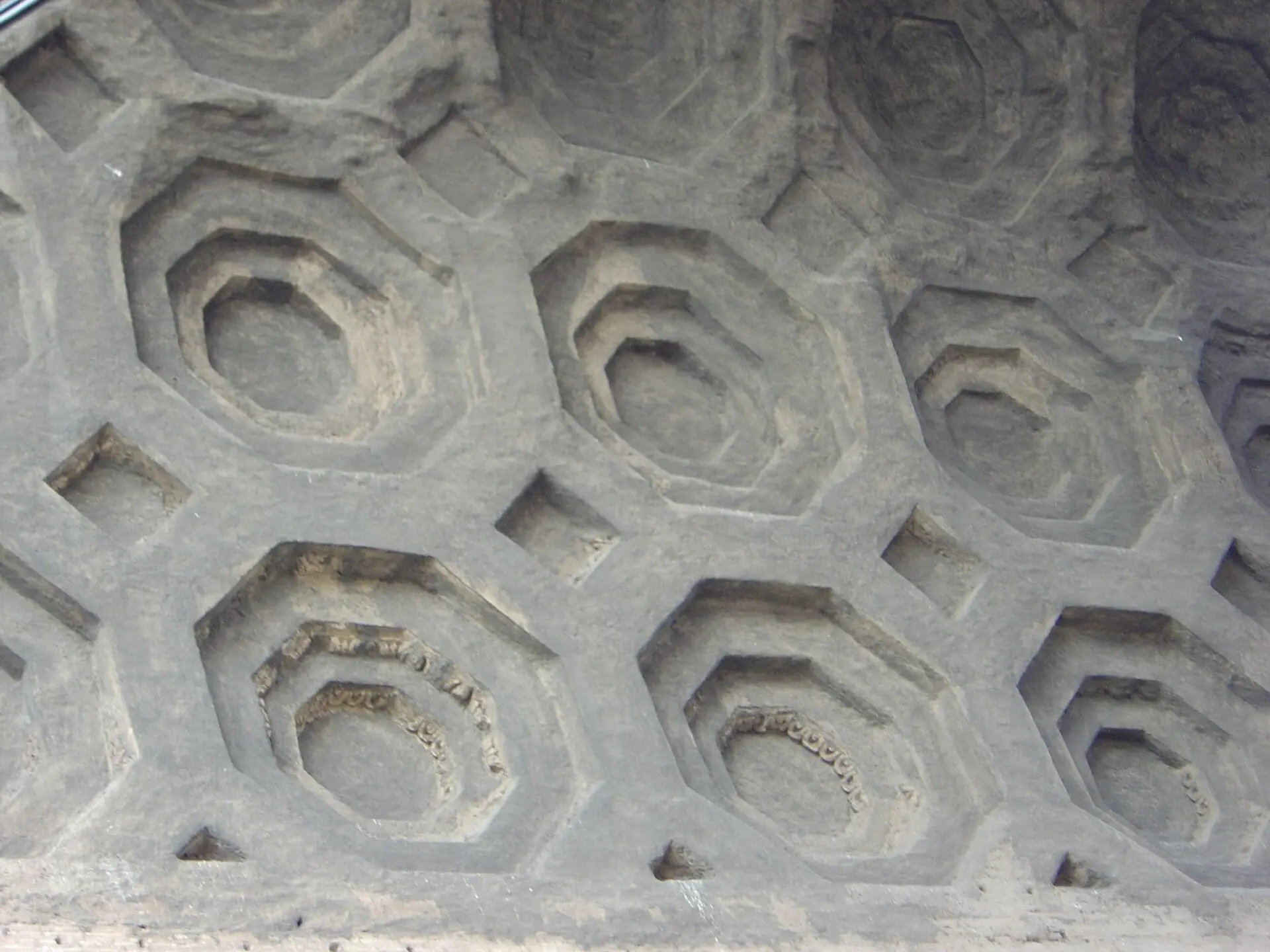
Concrete, the backbone of modern construction, has been used for thousands of years, but its durability often pales in comparison to that of ancient Roman structures. Today, researchers are turning to the past to uncover secrets that could revolutionize how we build for the future. A recent initiative led by MIT’s Associate Professor Admir Masic is pioneering the revival of Roman concrete technology, focusing on its remarkable longevity and sustainability.
The Secrets of Roman Concrete
Roman concrete, known for its durability, has withstood the test of time, with structures like the Pantheon and aqueducts still standing after nearly two millennia. The key to its resilience lies in its unique composition. Unlike modern concrete, which primarily uses Portland cement, Roman concrete incorporated volcanic ash, lime, and seawater, creating a chemical reaction that improved its strength and resistance to environmental degradation.
Masic’s research has revealed that this ancient method not only enhances durability but also has self-healing properties. When cracks form in the concrete, the materials can react with water and air to heal themselves, a feature that modern concrete lacks. By understanding these ancient techniques, Masic aims to create a new generation of concrete that is both robust and environmentally friendly.
Modern Applications and Innovations
The modern construction industry faces significant challenges, including the need to reduce carbon emissions and enhance the lifespan of structures. Traditional concrete production is responsible for about 8% of global CO2 emissions, primarily due to the energy-intensive process of making cement. Masic’s company, DMAT, has developed a concrete additive inspired by Roman techniques that can potentially increase the lifespan of concrete structures by 50% while cutting CO2 emissions to just 40% of traditional concrete.
This innovative approach not only addresses environmental concerns but also promises economic benefits. Longer-lasting materials mean reduced maintenance costs and a decreased need for reconstruction, which could save billions in infrastructure spending. As cities worldwide grapple with aging infrastructure, the revival of Roman techniques could offer a sustainable solution.
Challenges in Implementation
Despite the promising applications of ancient Roman concrete technology, challenges remain in its widespread adoption. The construction industry is traditionally slow to change, often relying on established practices. Moreover, the cost of developing and implementing new materials can be prohibitive for many companies, particularly smaller firms.
Furthermore, regulatory frameworks often lag behind technological advancements. New building materials must undergo rigorous testing and certification processes before they can be used in construction projects, which can delay their introduction to the market. Advocates for this revival emphasize the need for collaboration between researchers, industry leaders, and policymakers to facilitate the transition.
A Sustainable Future for Concrete
As the world faces the dual challenges of climate change and urbanization, the revival of ancient Roman concrete technology represents a beacon of hope. By merging historical knowledge with modern science, we can create a more sustainable and resilient built environment. Masic’s work exemplifies how looking back can illuminate the path forward, inspiring a new era of construction that honors the ingenuity of the past while addressing the demands of the future.
In addition to its environmental benefits, this approach could also foster a cultural renaissance in construction practices, encouraging architects and engineers to explore materials and methods that have been overlooked for decades. The integration of ancient wisdom into contemporary engineering could redefine our understanding of what is possible in building design.
What Lies Ahead?
Looking forward, the future of concrete may very well hinge on our ability to adapt and innovate based on lessons learned from history. As researchers continue to explore the properties of Roman concrete, we may discover even more applications that could transform the construction landscape.
With increasing global pressure to adopt sustainable practices, the revival of ancient techniques could become a cornerstone of modern engineering. The next decade will be crucial in determining how effectively we can integrate these insights into our infrastructure, shaping not just buildings, but the very fabric of our cities.
Sources: MIT, news.mit.edu
Images: Cover: Michael Wilson from York, United Kingdom / Wikimedia Commons (CC BY 2.0)





Science desk team of Everyman Science, curating and reporting on the day’s most significant developments in research, space exploration, and technology.