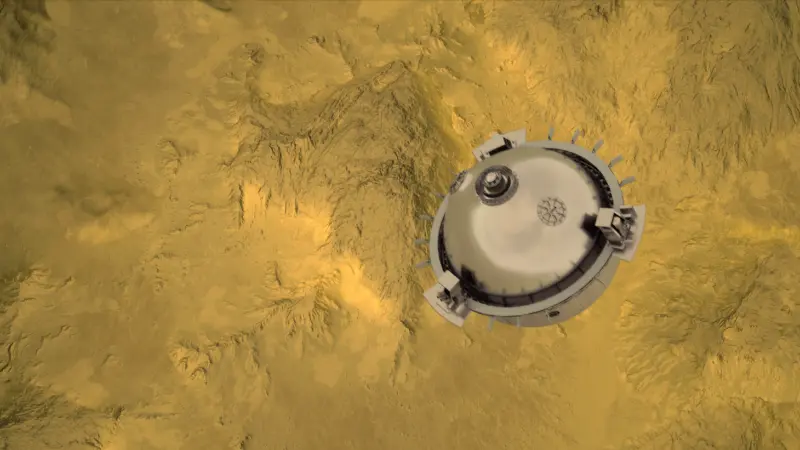
DAVINCI’s descent probe was heated to 869 F (465 C) over about an hour to mirror Venus entry—and the engineering unit performed as intended.

Stay informed on the latest in technology, including AI, industrial developments, and emerging innovations. Gain insights into how tech is transforming industries and everyday life.
DAVINCI’s descent probe was heated to 869 F (465 C) over about an hour to mirror Venus entry—and the engineering unit performed as intended.
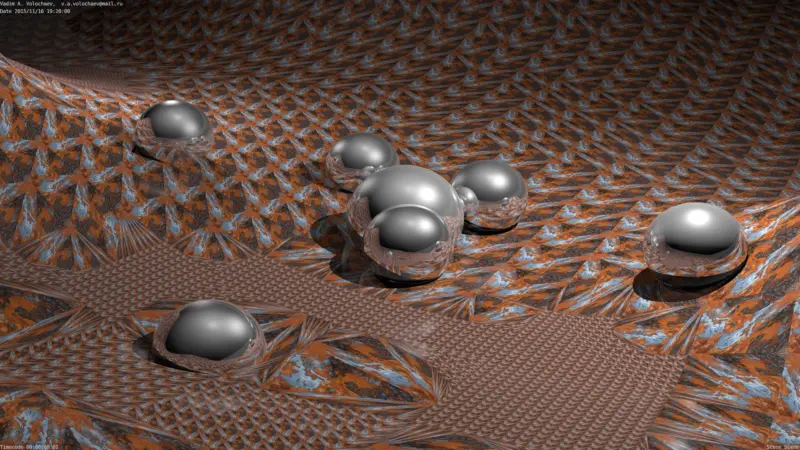
EPFL shows halide choice in hexahaloplatinate precursors governs Pt deposition and H2 output; iodide lifts red-light AQY to 17% at 700 nm.
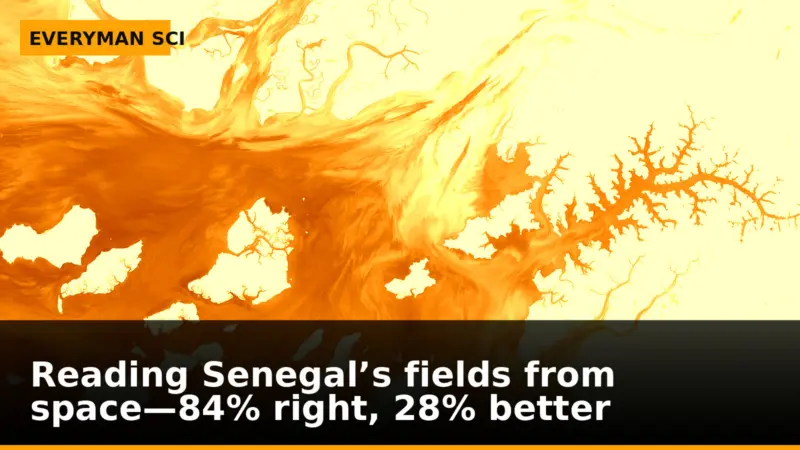
An open-source model reads a year of satellite data to map crops in Senegal, scoring 84% and beating the next-best by 28%, with limits on mixed fields.
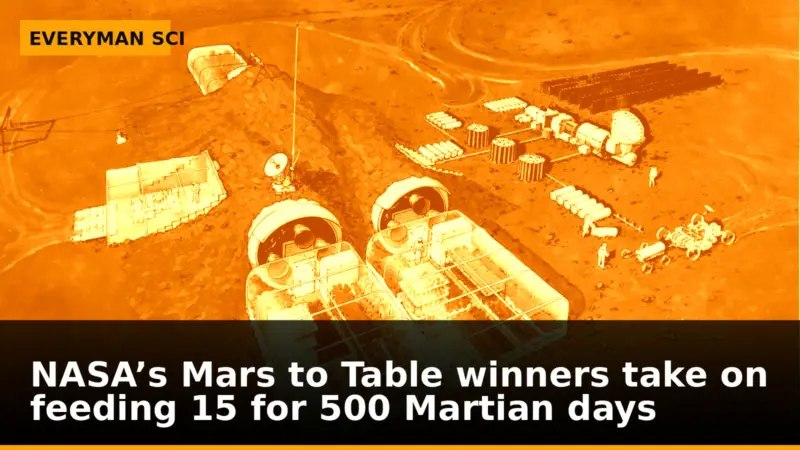
NASA named five Mars to Table winners to feed 15 for 500 sols; $300k to Chinyere Ukeje and $200k to Cislune, from 113 entries across 33 countries and 28 U.S. st
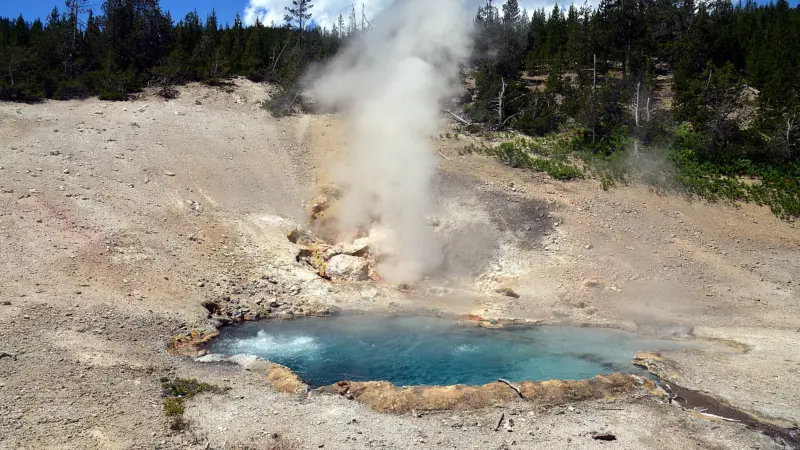
Found in Lassen Volcanic National Park, Incendiamoeba cascadensis divides at 145°F and stays active at 147°F, pushing the known heat limits for eukaryotes.
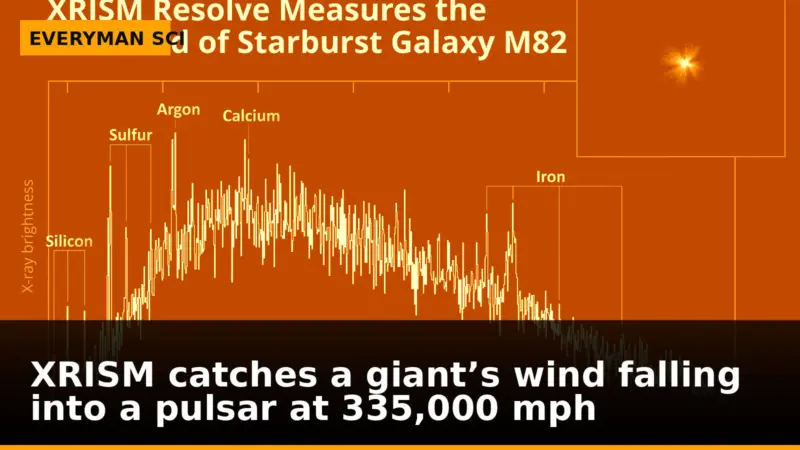
On Feb. 1, 2025, XRISM’s Resolve saw redshifted iron lines in BP Crucis, showing Wray 977’s wind plunging toward pulsar GX 301‑2 at 335,000 mph.
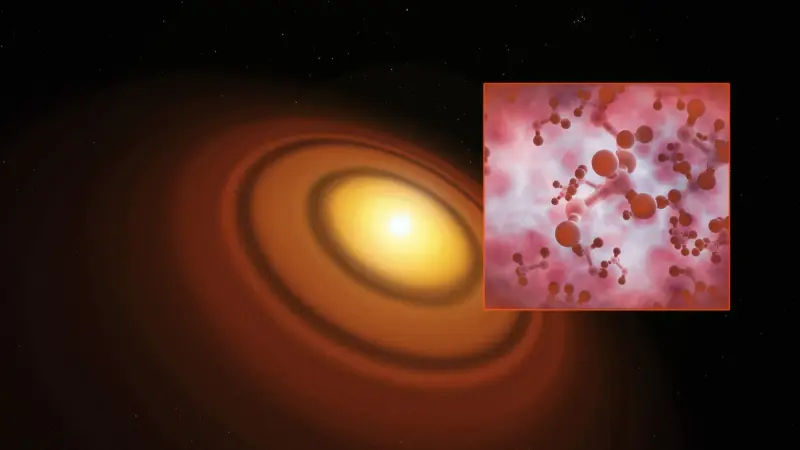
Elias 2-24 b, under 1 million years old and about 55 AU out, is a Jupiter-scale newborn 450 light-years away—data that tests planet-formation timelines.
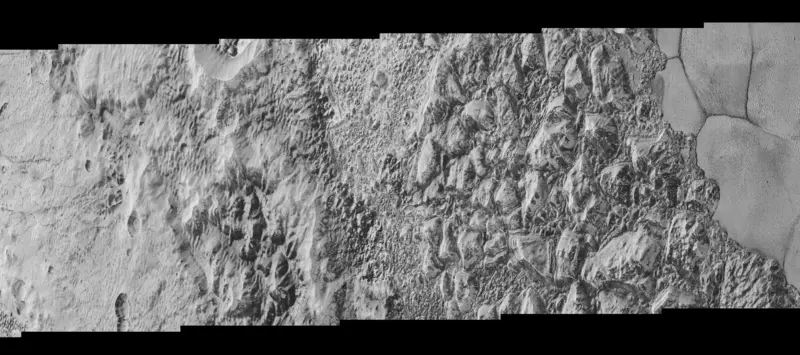
Images and models suggest basal melting in Sputnik Planitia, with liquid nitrogen rising through cracks—the first recent evidence of liquid on Pluto.
On Sept 15 UTC, ESA launched FLEX with Sentinel‑3C on Vega‑C to detect faint chlorophyll fluorescence from orbit and assess plant health with tandem observation
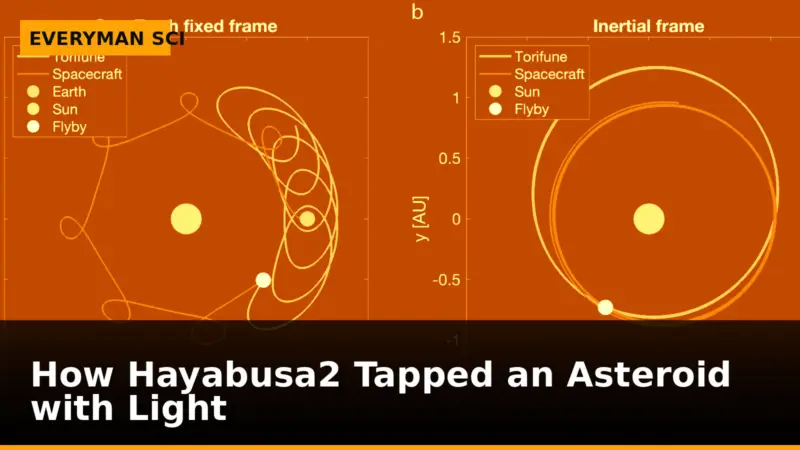
Hayabusa2 fired its laser twice at asteroid Torifune during a high‑speed flyby. Here’s how laser ranging works and why it matters for future missions.