ESA’s FLEX and Sentinel‑3C launch on Vega‑C to track faint plant fluorescence and align it with Earth‑system data via near‑simultaneous tandem observations.

Stay informed on the latest in technology, including AI, industrial developments, and emerging innovations. Gain insights into how tech is transforming industries and everyday life.
ESA’s FLEX and Sentinel‑3C launch on Vega‑C to track faint plant fluorescence and align it with Earth‑system data via near‑simultaneous tandem observations.
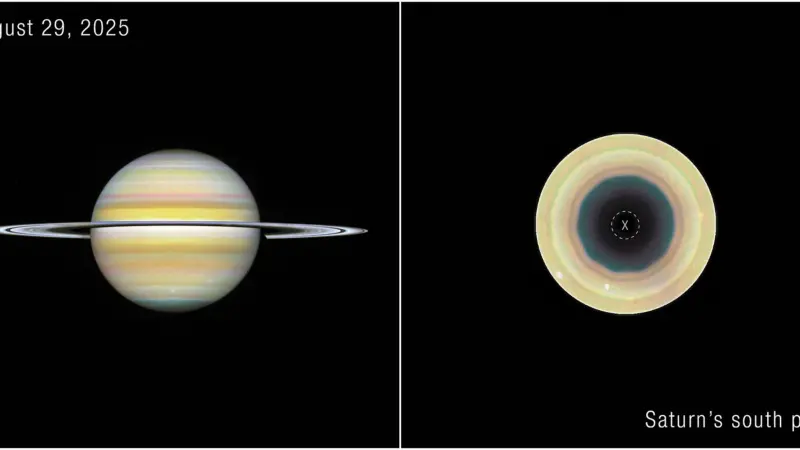
Hubble spots a giant decagon around Saturn’s south pole—about 104,250 miles wide—inviting comparisons with the long‑lived northern hexagon.
Japanese team uses cellulose magnetic beads to enrich N-glycopeptides from plasma, serum, and tissue, detects gastric cancer changes, and readies automation.
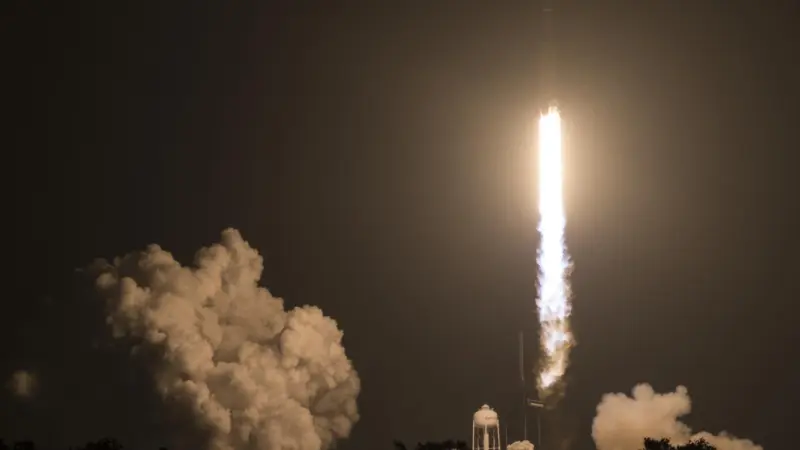
NASA’s Nancy Grace Roman Space Telescope launched Aug. 30, 2026; 30 days to L2, about three months of commissioning, then a five-year, 1.4‑TB/day survey.
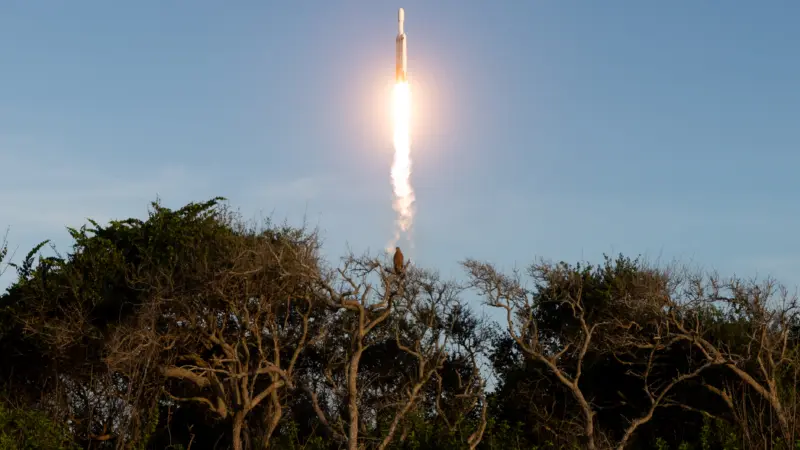
NASA’s Roman Space Telescope launched at 7:26 a.m. EDT to survey 100× Hubble’s view, 1000× faster, map 20 billion Milky Way stars, and send 1.4 TB daily.
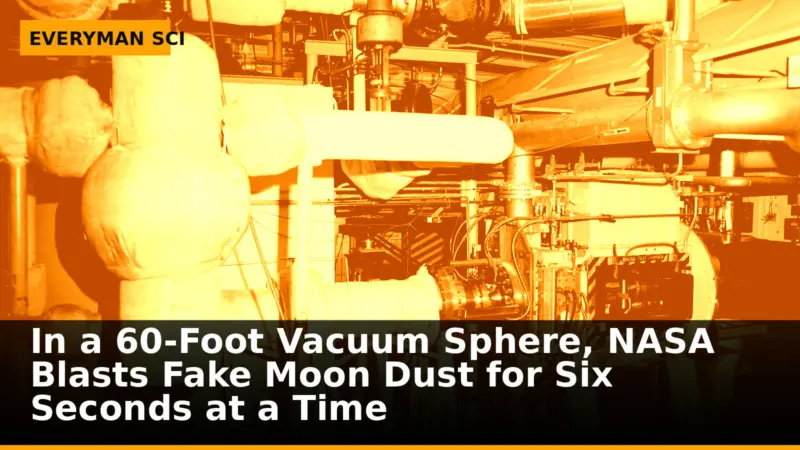
NASA Langley fires 100‑lb‑thrust jets into lunar soil simulant for six seconds inside a 60‑ft vacuum chamber to model lander plumes before Artemis IV in 2028.
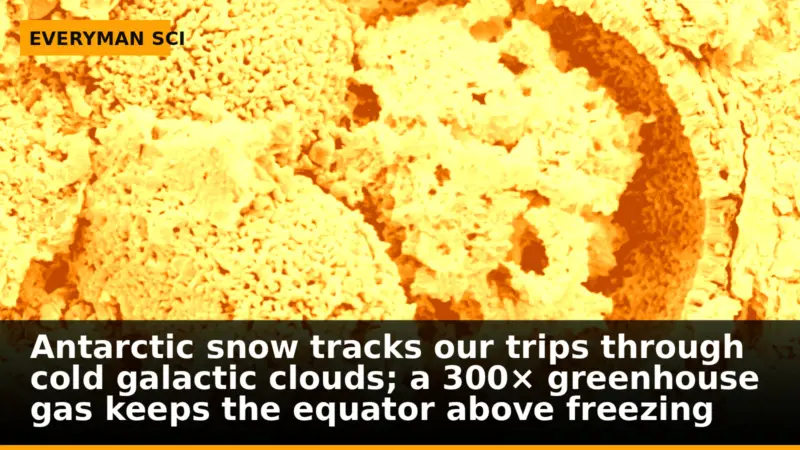
Dust in Antarctic snow matches solar system cloud crossings, while 10% N2O under a 70% Sun warms Earth’s equator to about 41°F.
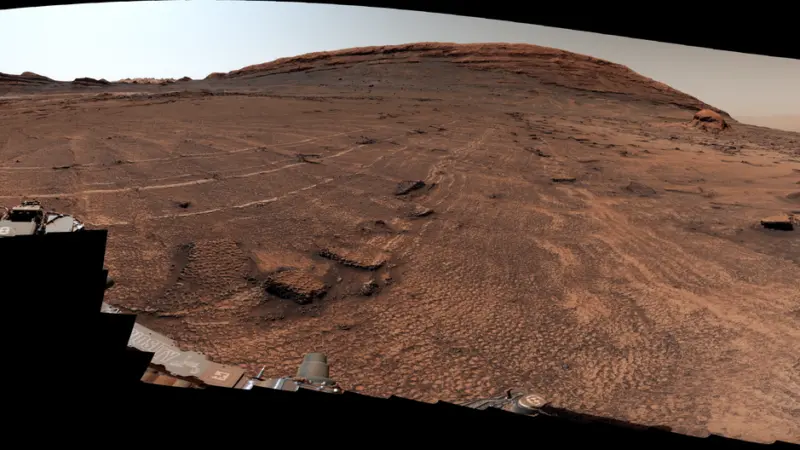
NASA’s Curiosity rover finds a field of 4–8 cm polygons and measures their shapes and chemistry to probe whether they formed as ancient mud cracks.
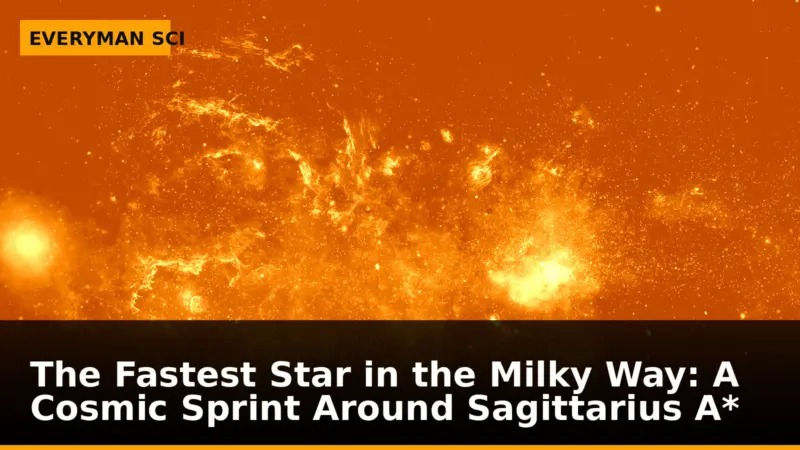
Discover the fastest known star in the Milky Way, orbiting the supermassive black hole Sagittarius A* at incredible speeds.
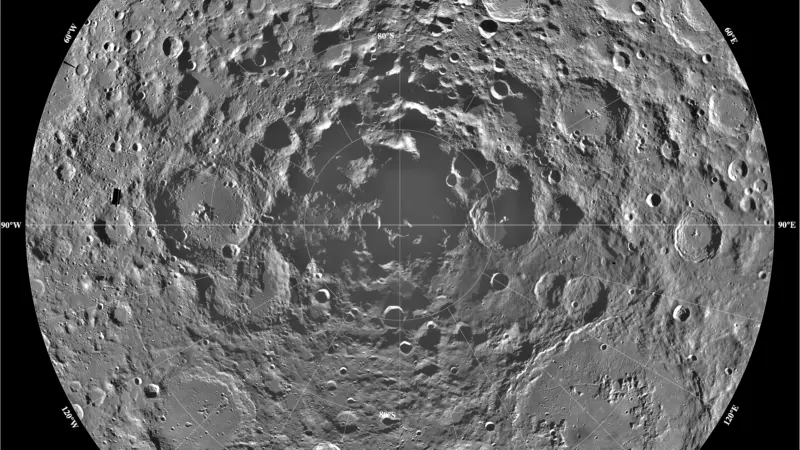
NASA’s findings reveal that some Earth microbes may survive in the Moon’s South Pole, raising questions about contamination and exploration.