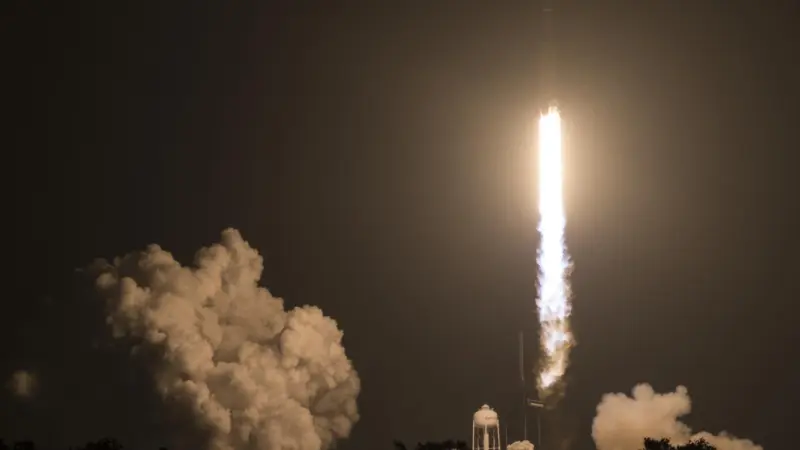
NASA’s Nancy Grace Roman Space Telescope launched Aug. 30, 2026; 30 days to L2, about three months of commissioning, then a five-year, 1.4‑TB/day survey.

Get data-driven insights on the latest space exploration breakthroughs. Track NASA, CNSA, and private sector milestones in orbital infrastructure and deep-space missions.
NASA’s Nancy Grace Roman Space Telescope launched Aug. 30, 2026; 30 days to L2, about three months of commissioning, then a five-year, 1.4‑TB/day survey.
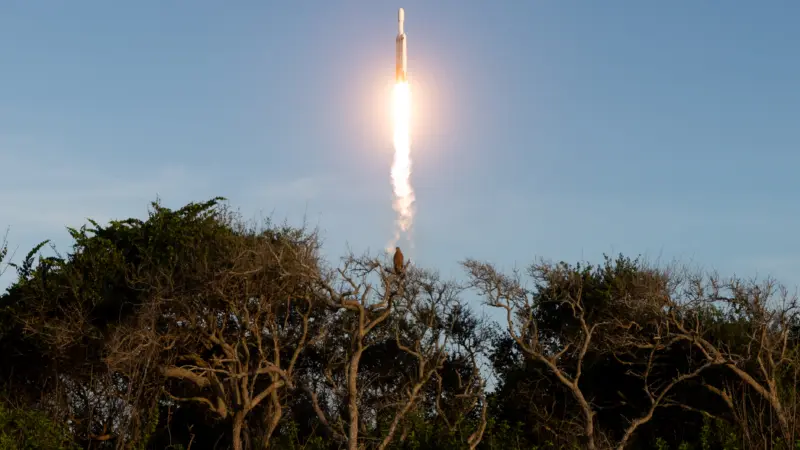
NASA’s Roman Space Telescope launched at 7:26 a.m. EDT to survey 100× Hubble’s view, 1000× faster, map 20 billion Milky Way stars, and send 1.4 TB daily.
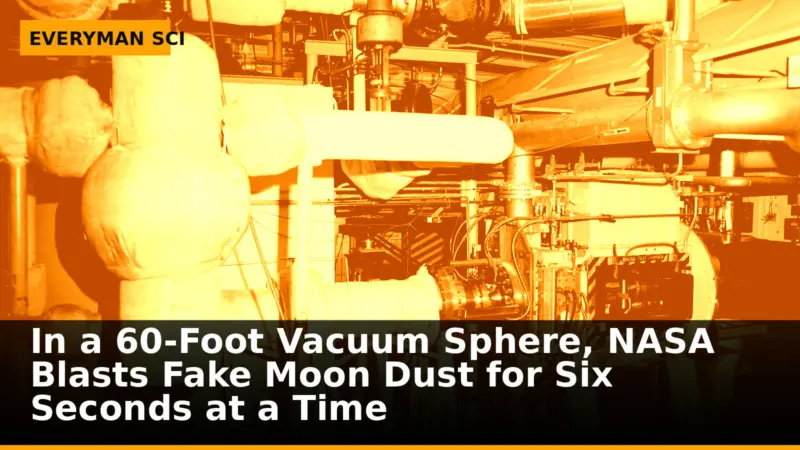
NASA Langley fires 100‑lb‑thrust jets into lunar soil simulant for six seconds inside a 60‑ft vacuum chamber to model lander plumes before Artemis IV in 2028.
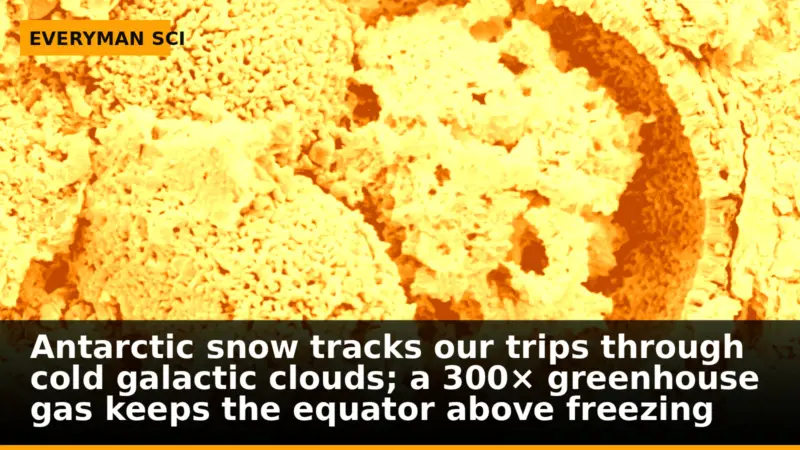
Dust in Antarctic snow matches solar system cloud crossings, while 10% N2O under a 70% Sun warms Earth’s equator to about 41°F.
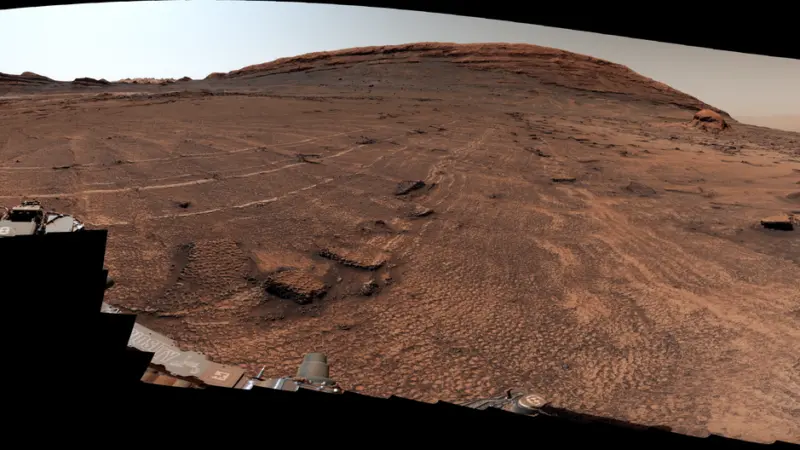
NASA’s Curiosity rover finds a field of 4–8 cm polygons and measures their shapes and chemistry to probe whether they formed as ancient mud cracks.
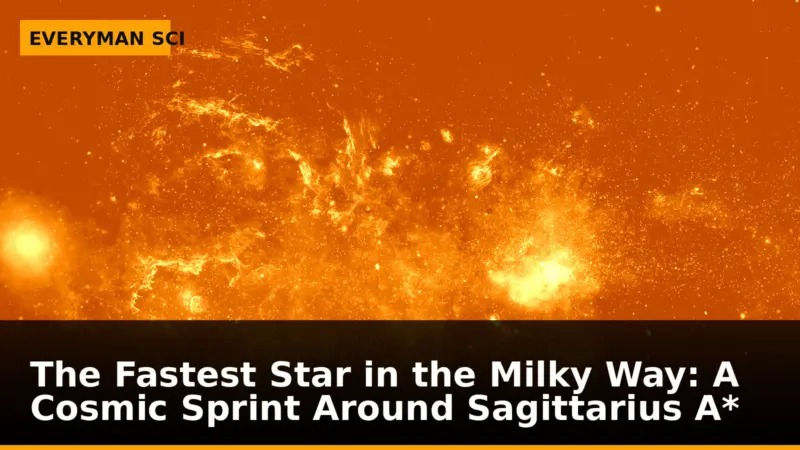
Discover the fastest known star in the Milky Way, orbiting the supermassive black hole Sagittarius A* at incredible speeds.
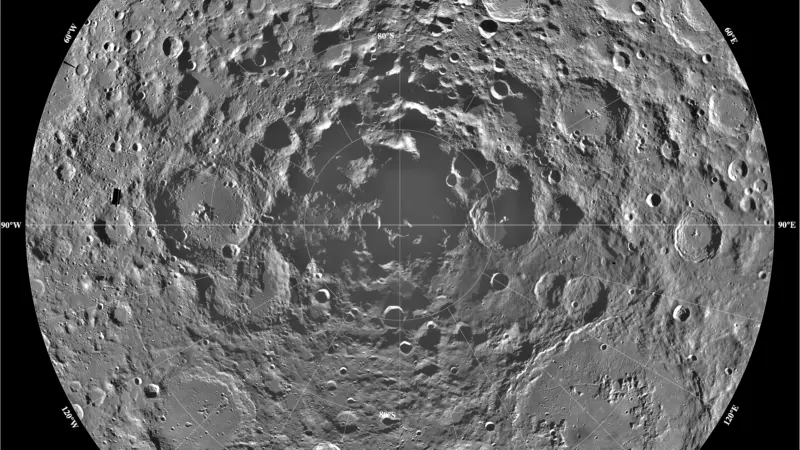
NASA’s findings reveal that some Earth microbes may survive in the Moon’s South Pole, raising questions about contamination and exploration.
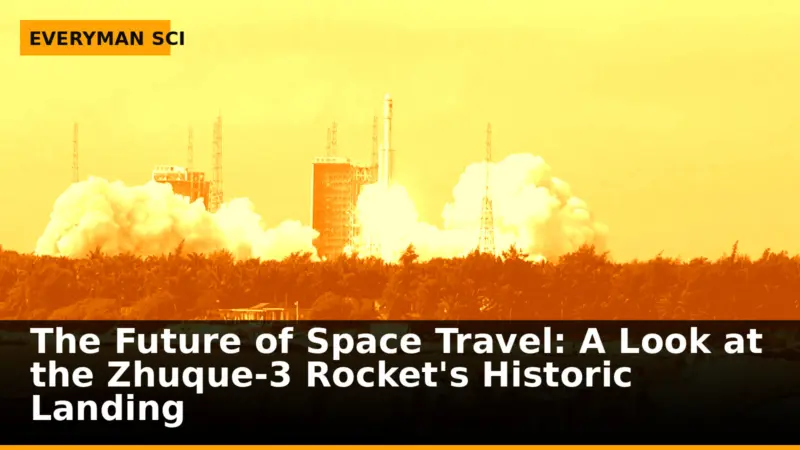
China’s Zhuque-3 rocket successfully lands, marking a pivotal moment in private space exploration.
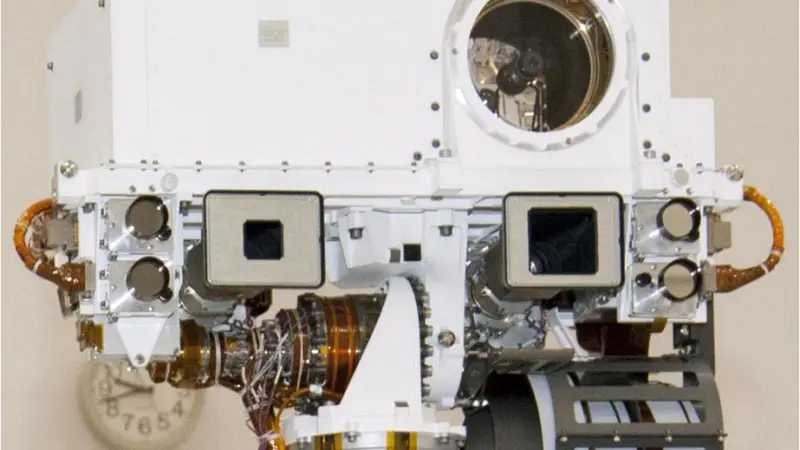
NASA’s Curiosity rover marks 14 years of exploration on Mars, revealing vital information about the planet’s history and potential for life.
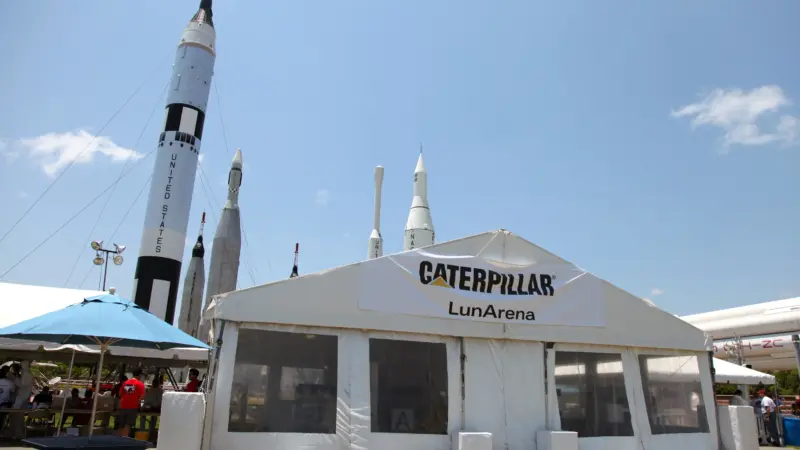
NASA kicks off a competition for students to envision innovative lunar technologies for sustainable operations on the Moon.