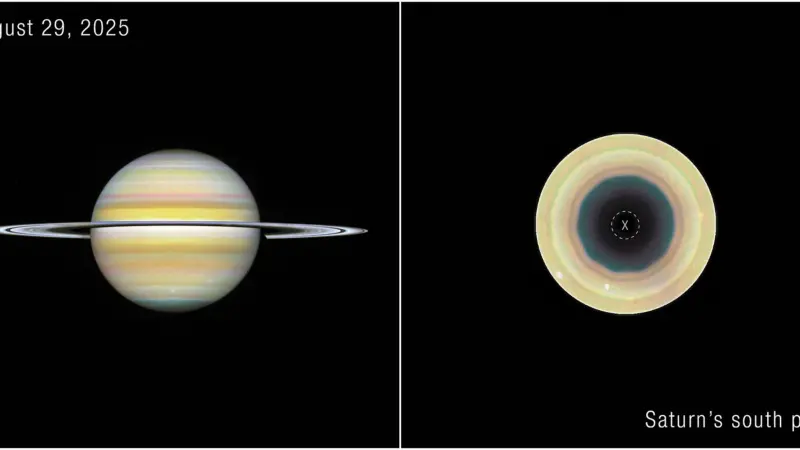
Hubble spots a giant decagon around Saturn’s south pole—about 104,250 miles wide—inviting comparisons with the long‑lived northern hexagon.

Articles about the North American Space Agency and its Space Exploration Programs like JWST and Curiosity, Technology, Scientific Research and Publications
Hubble spots a giant decagon around Saturn’s south pole—about 104,250 miles wide—inviting comparisons with the long‑lived northern hexagon.
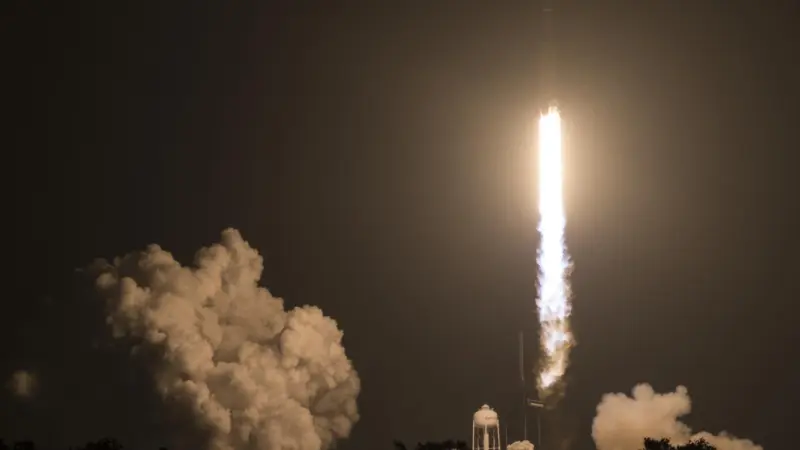
NASA’s Nancy Grace Roman Space Telescope launched Aug. 30, 2026; 30 days to L2, about three months of commissioning, then a five-year, 1.4‑TB/day survey.
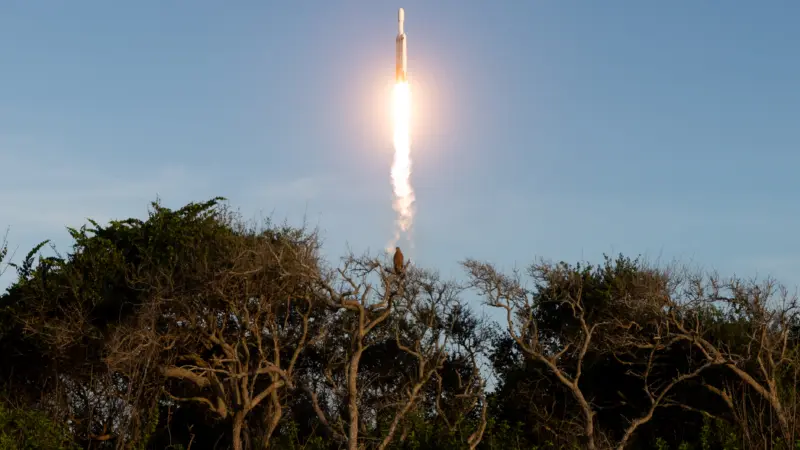
NASA’s Roman Space Telescope launched at 7:26 a.m. EDT to survey 100× Hubble’s view, 1000× faster, map 20 billion Milky Way stars, and send 1.4 TB daily.
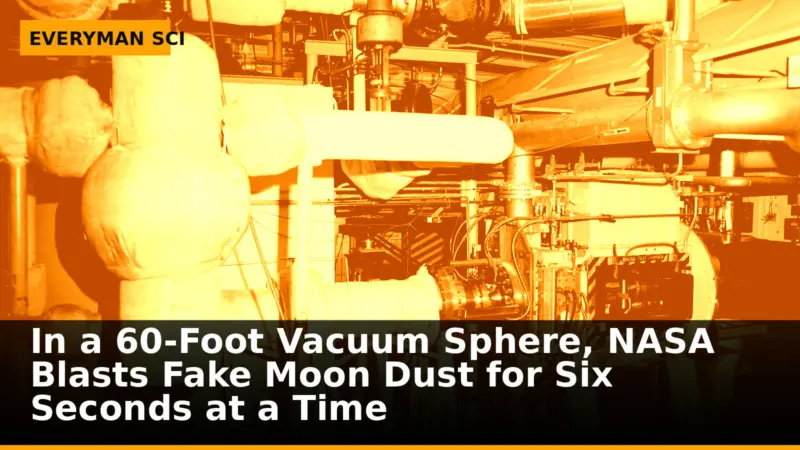
NASA Langley fires 100‑lb‑thrust jets into lunar soil simulant for six seconds inside a 60‑ft vacuum chamber to model lander plumes before Artemis IV in 2028.
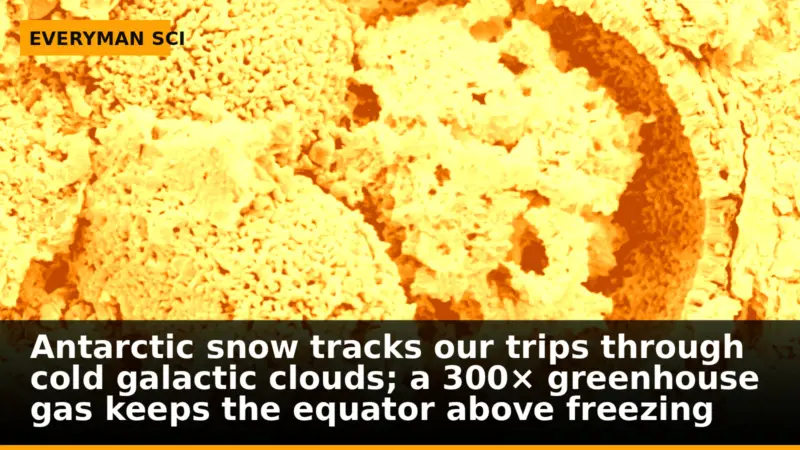
Dust in Antarctic snow matches solar system cloud crossings, while 10% N2O under a 70% Sun warms Earth’s equator to about 41°F.
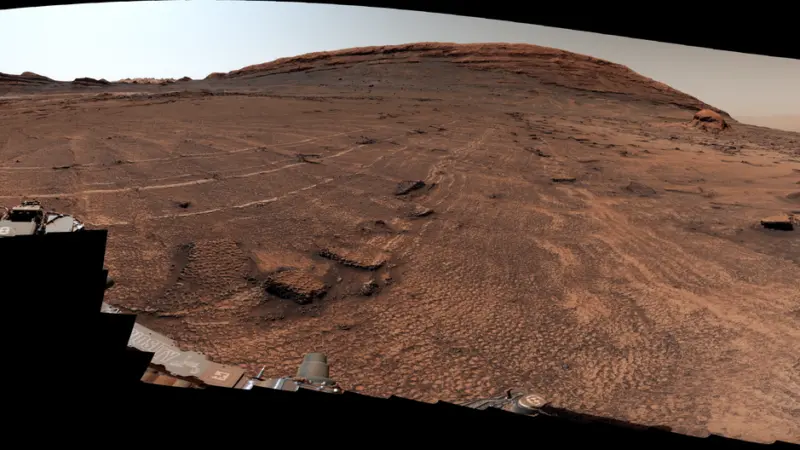
NASA’s Curiosity rover finds a field of 4–8 cm polygons and measures their shapes and chemistry to probe whether they formed as ancient mud cracks.
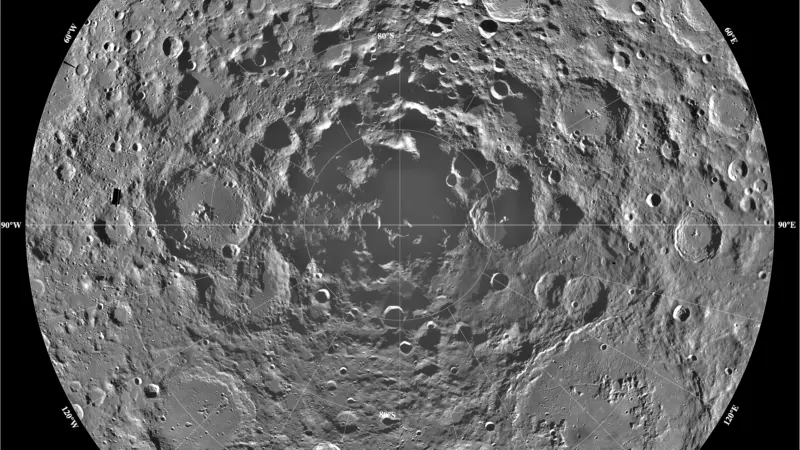
NASA’s findings reveal that some Earth microbes may survive in the Moon’s South Pole, raising questions about contamination and exploration.
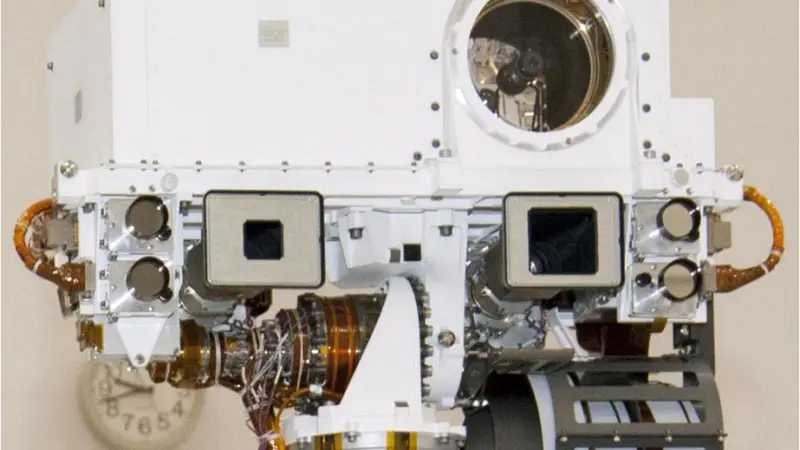
NASA’s Curiosity rover marks 14 years of exploration on Mars, revealing vital information about the planet’s history and potential for life.
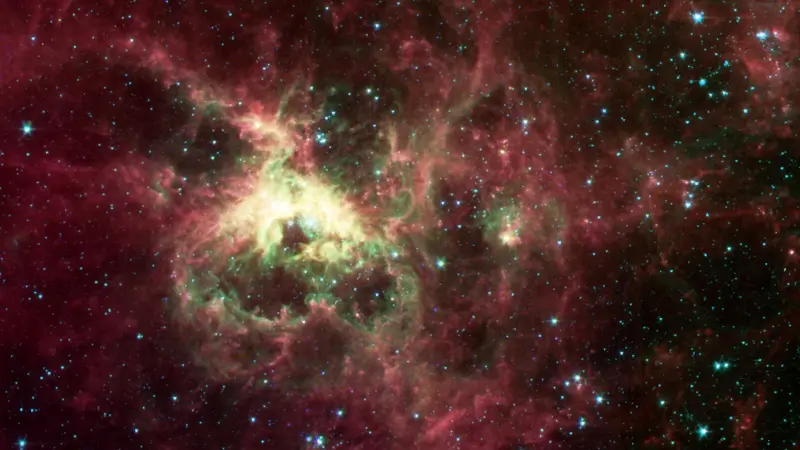
Discover the Tarantula Nebula’s role in stellar evolution and its significance in understanding the universe.
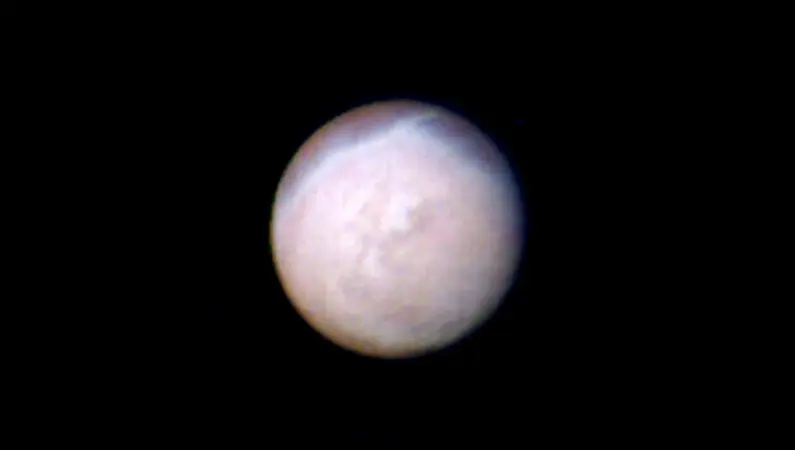
A new study suggests Neptune’s tiny moons may be remnants of a catastrophic event caused by Triton’s capture.