
The Rise of AI in Understanding Bacterial Viruses: A New Frontier in Medicine
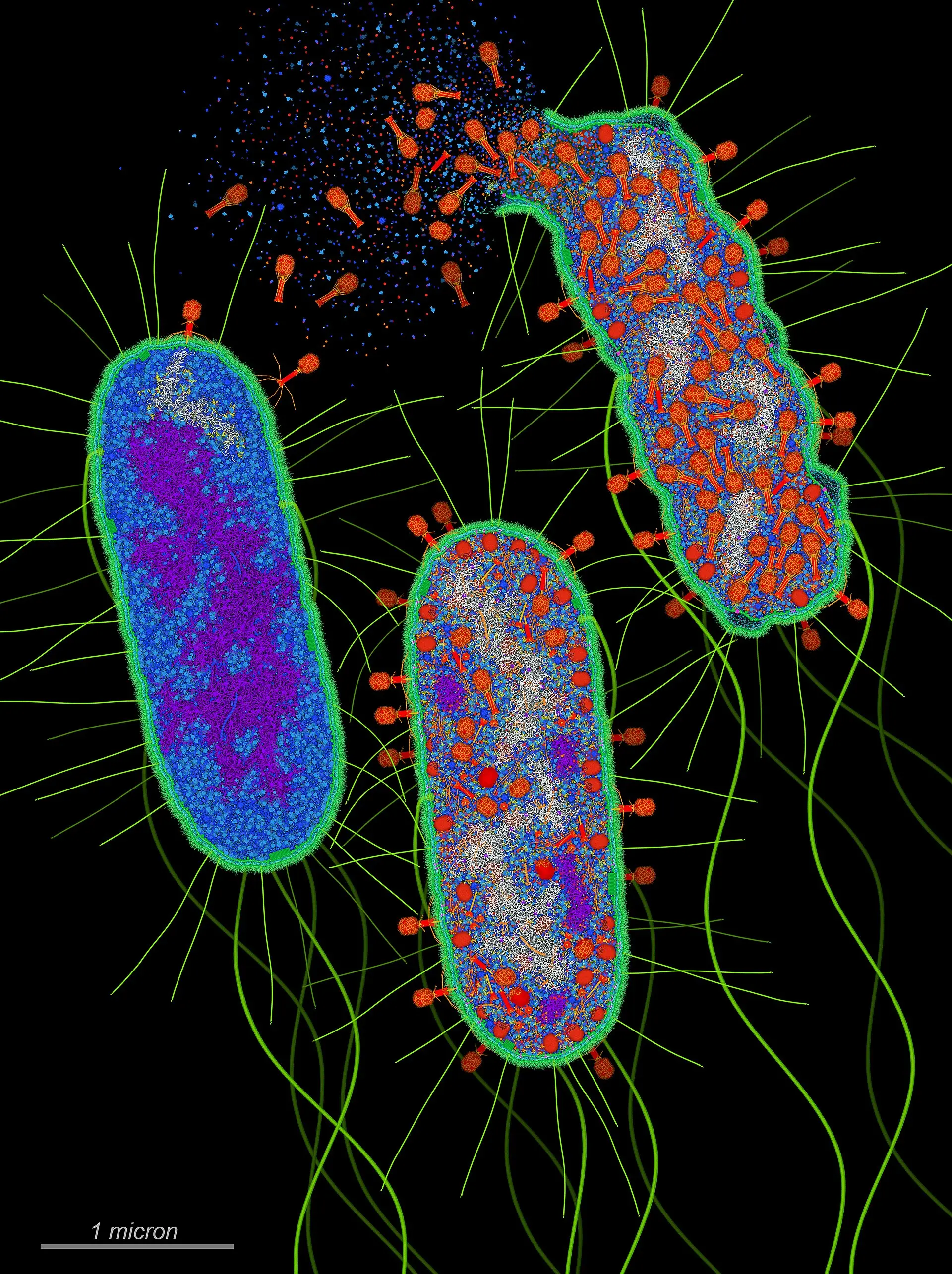
Imagine a microscopic world where viruses, not just bacteria, hold the key to our future in medicine. Bacteriophages, viruses that specifically infect bacteria, are emerging as powerful allies in the battle against antibiotic resistance. With the help of artificial intelligence (AI), researchers are beginning to decode the complex interactions between these viruses and their bacterial hosts, potentially revolutionizing how we treat infections.
Recent studies suggest that understanding the behavior of bacteriophages could lead to innovative therapies that bypass the limitations of traditional antibiotics. As antibiotic resistance continues to rise globally, the need for alternative treatments has never been more urgent. This article explores how AI is becoming a game-changer in this field, providing insights that could save lives.
Bacteriophages: The Unsung Heroes of Microbiology
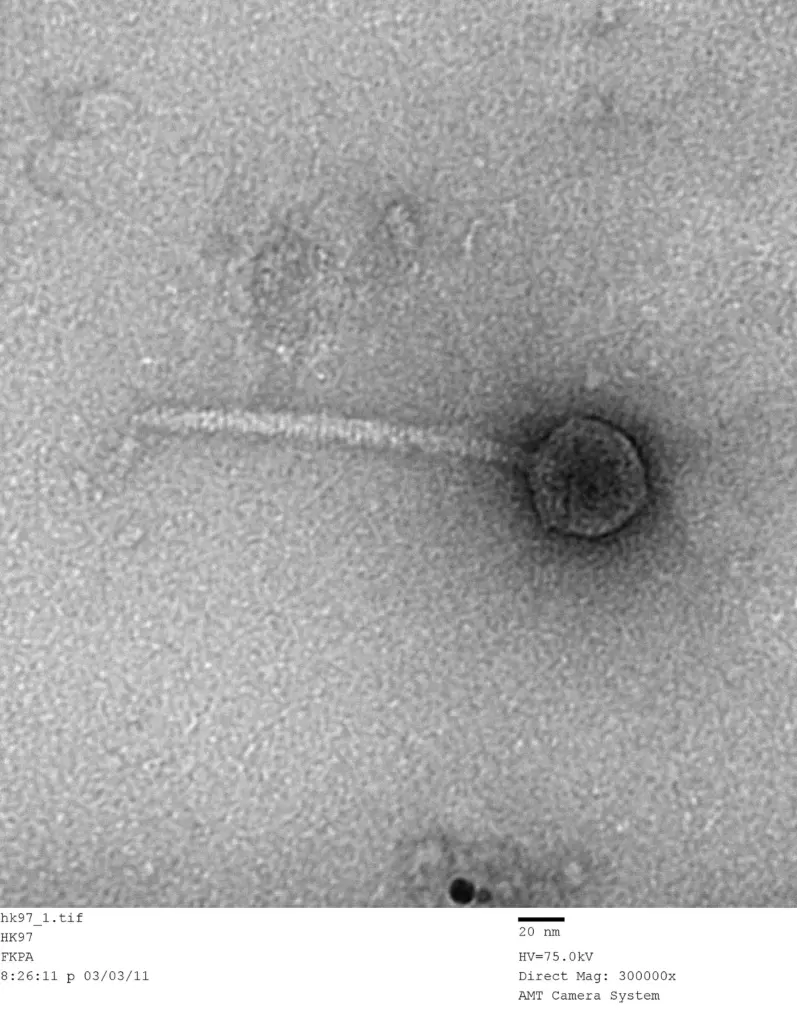
Bacteriophages, often referred to as phages, are the most abundant biological entities on Earth, outnumbering bacteria by a factor of ten. They play a crucial role in regulating bacterial populations and influencing microbial ecosystems. Each phage is highly specific, targeting only certain bacterial strains, which makes them a promising tool for precision medicine.
The potential of phages as therapeutic agents dates back to the early 20th century, but their use declined with the advent of antibiotics. However, as antibiotic resistance grows, phage therapy is experiencing a renaissance. Researchers are now investigating how to harness these viruses effectively, and AI is proving to be an invaluable asset in this endeavor.
AI: A Catalyst for Discovery
Artificial intelligence is transforming various fields, and microbiology is no exception. By analyzing vast amounts of genomic data, AI algorithms can identify patterns and predict how different bacteriophages will interact with their bacterial hosts. This capability is particularly important as it allows researchers to select phages that are most likely to be effective against specific bacterial infections.
For instance, researchers have trained machine learning models to analyze the genetic sequences of phages and their bacterial targets. These models can predict the success of phage therapy based on the genetic compatibility between the phage and its bacterial host. This predictive power significantly accelerates the development of phage therapies, moving us closer to personalized medicine.
The Battle Against Antibiotic Resistance
Antibiotic resistance is one of the most pressing public health challenges of our time. The World Health Organization has warned that, without effective action, we could enter a post-antibiotic era where common infections become untreatable. Bacteriophages offer a promising alternative, potentially restoring our ability to treat infections that have become resistant to antibiotics.
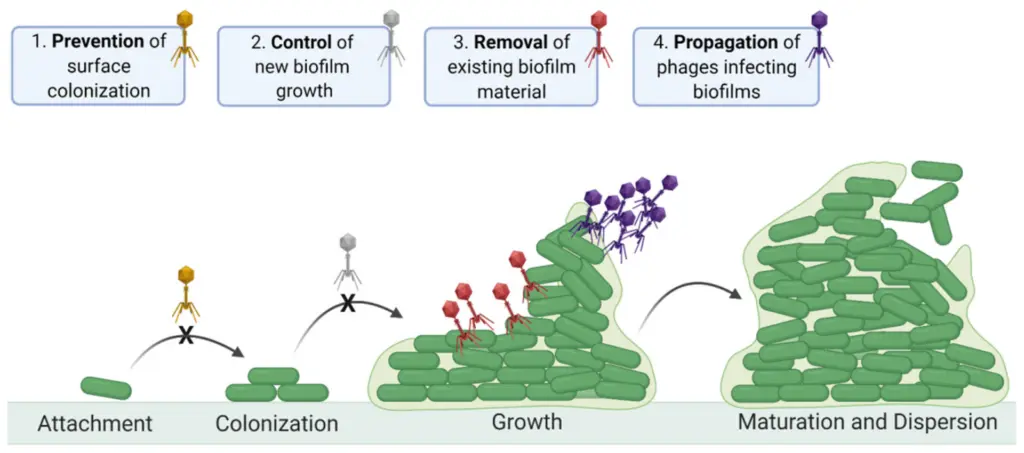
Phage therapy has already shown success in treating infections caused by multidrug-resistant bacteria. In clinical settings, patients have experienced remarkable recoveries after receiving phage treatments, underscoring the potential of these viruses as therapeutic agents. With AI’s ability to streamline the identification and development of effective phage therapies, there is hope for a future where antibiotic resistance is no longer a death sentence.
Challenges and Ethical Considerations
Despite the promise of phage therapy, several challenges remain. The specificity of bacteriophages means they must be carefully matched to the bacterial strain causing an infection. Additionally, regulatory hurdles and safety concerns about using live viruses in treatment must be addressed.
Ethical considerations also arise, particularly regarding the use of genetically modified phages. While these modifications could enhance the efficacy of phage therapy, they also raise questions about long-term ecological impacts and the potential for unintended consequences. As research progresses, a balanced approach that considers both the benefits and risks will be essential.
The Future of Phage Therapy and AI
As AI continues to evolve, its integration into microbiology will likely deepen. Future research may focus on developing more sophisticated algorithms that can consider not just genetic data but also environmental factors affecting phage-bacteria interactions. This holistic approach could lead to even more effective phage therapies.
Moreover, as our understanding of the human microbiome expands, AI could help tailor phage therapies to individual patients, creating personalized treatment plans that maximize efficacy and minimize side effects. The potential for AI to unlock the mysteries of bacteriophages is vast, and the implications for medicine are profound.
Conclusion: A New Era in Medicine?
The collaboration between AI and bacteriophage research represents a new frontier in medicine. As we face the daunting challenge of antibiotic resistance, the insights gained from AI-driven research into bacteriophages could provide the solutions we desperately need. While challenges remain, the journey toward effective phage therapies is well underway, and with continued innovation, we may soon have powerful new tools to combat bacterial infections.
Sources: phys.org, newscientist.com
Images: Cover: DavidGoodsell / Wikimedia Commons (CC BY 4.0); Figure 1: Ncumby / Wikimedia Commons (CC BY-SA 3.0); Figure 2: Stephen T. Abedon 1,*,†ORCID,Katarzyna M. Danis-Wlodarczyk 2,†,Daniel J. Wozniak / Wikimedia Commons (CC BY-SA 4.0)





Science desk team of Everyman Science, curating and reporting on the day’s most significant developments in research, space exploration, and technology.