The Hidden World of Noctilucent Clouds: A Citizen Science Breakthrough
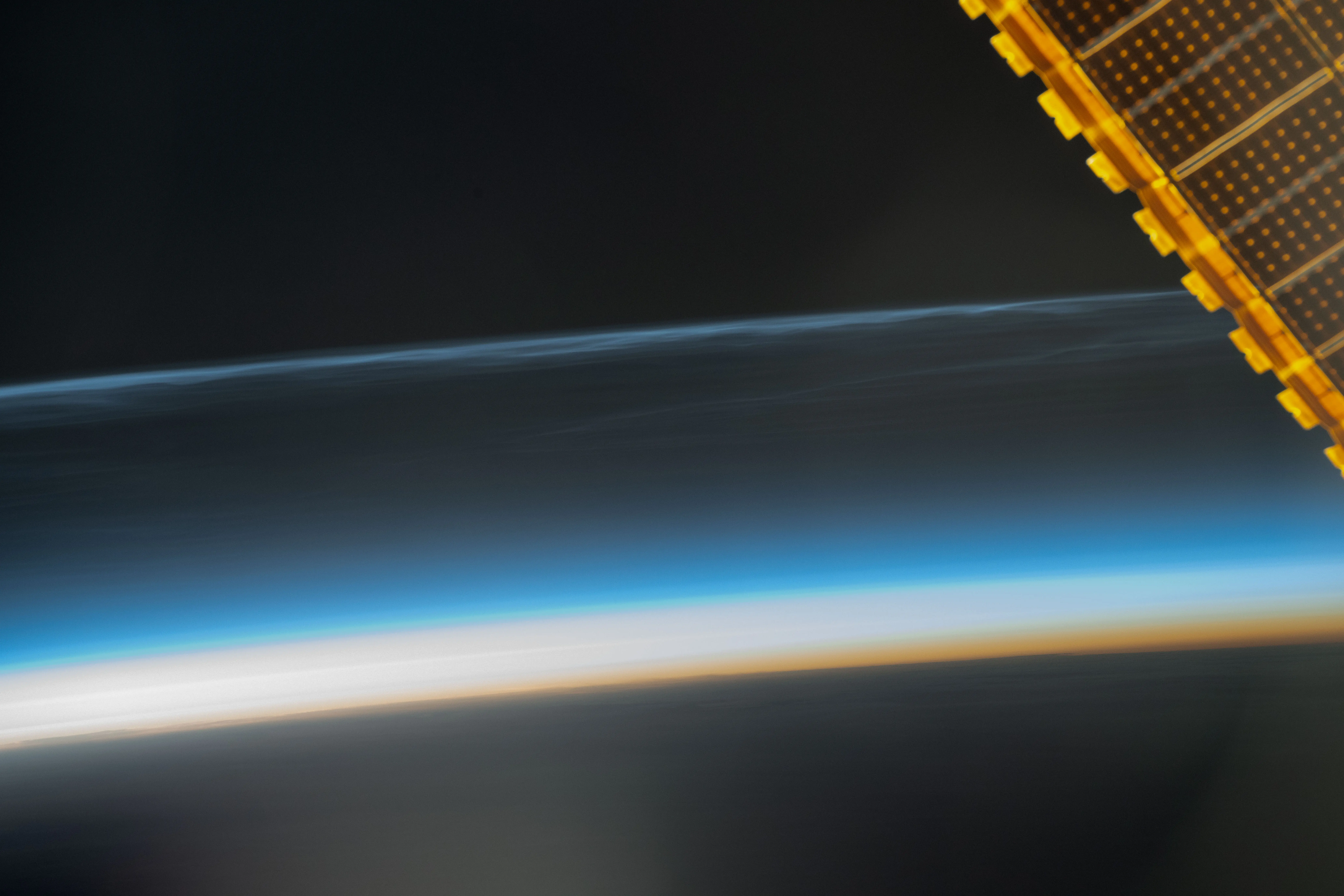
As twilight descends, a unique spectacle emerges in the upper atmosphere: noctilucent clouds (NLCs), shimmering with a silvery glow. These ethereal formations, found at altitudes of approximately 50 miles, are the highest clouds in Earth’s atmosphere, appearing only under specific conditions. Their striking beauty is matched by their scientific significance, as they may provide clues about climate change and the shifting dynamics of our atmosphere.
In a remarkable convergence of technology and citizen science, volunteers worldwide are now playing a crucial role in tracking these elusive clouds. The Space Cloud Watch project, supported by NASA, invites individuals with cameras to capture images of NLCs and submit them for analysis. This grassroots effort not only enhances our understanding of these clouds but also empowers everyday people to contribute to scientific research.
What Are Noctilucent Clouds?
Noctilucent clouds are a rare phenomenon, primarily observed in the polar regions during summer months. They form when water vapor and other particles in the upper atmosphere freeze into ice crystals, illuminated by sunlight long after the sun has set. This unique interplay of atmospheric conditions makes them a subject of fascination for both amateur and professional astronomers.
The term ‘noctilucent’ translates to ‘night-shining,’ aptly describing their luminous appearance. These clouds are not only visually stunning but also serve as indicators of atmospheric changes. Their increasing frequency and altitude raise questions about the impact of climate change on our planet’s upper atmosphere. As global temperatures rise, understanding these clouds could shed light on broader climatic shifts.
The Citizen Science Initiative
The Space Cloud Watch project is a pioneering initiative that harnesses the power of citizen scientists to monitor NLCs. Participants from around the globe are equipped with cameras to capture images of these clouds, which are then uploaded to a central database. This collaborative effort allows researchers to analyze patterns and trends over time, significantly enhancing the data available for scientific study.
One of the standout contributions to this initiative comes from a dedicated volunteer who developed a machine-learning tool to streamline the identification process. This innovative tool assists fellow volunteers in efficiently categorizing cloud images, making it easier to track the occurrence of NLCs and their variations. By leveraging technology, citizen scientists are transforming the way we study and understand these atmospheric phenomena.
Why It Matters: Climate Insights from the Upper Atmosphere
The significance of studying noctilucent clouds extends beyond their beauty. Researchers believe that changes in the frequency and location of NLCs may reflect alterations in the climate system. For instance, a rise in NLC occurrence could indicate shifts in atmospheric composition, potentially linked to increased greenhouse gas emissions.
Moreover, understanding NLCs can provide insights into the dynamics of the upper atmosphere, including temperature fluctuations and changes in water vapor content. These factors are critical for developing accurate climate models, which in turn inform policy decisions and climate action initiatives.
Challenges and Future Directions
Despite the promising progress made by citizen scientists, challenges remain in the study of noctilucent clouds. Their sporadic nature and dependence on specific atmospheric conditions make them difficult to predict and monitor consistently. Additionally, the reliance on volunteer submissions raises questions about data quality and standardization.
Looking ahead, researchers aim to refine the machine-learning tools further, enhancing their accuracy and reliability. Collaborations with meteorological organizations may also help integrate citizen-collected data into larger climate databases, providing a comprehensive view of atmospheric changes over time.
The Role of Technology in Modern Science
The integration of technology in scientific research is not just a trend; it signifies a paradigm shift in how we gather and analyze data. The success of the Space Cloud Watch project exemplifies how citizen scientists can leverage technology to contribute meaningfully to scientific inquiry.
As machine learning and data analysis tools continue to evolve, the potential for citizen science initiatives to impact research grows exponentially. By empowering individuals to engage in scientific exploration, we can foster a greater understanding of our planet and the intricate systems that govern it.
Conclusion: A Bright Future for Citizen Science
Noctilucent clouds may be just one of many phenomena waiting to be explored through citizen science. As more people become involved in scientific research, the collective knowledge and insights gained from these initiatives could reshape our understanding of climate change and its effects on our world.
The journey of studying NLCs is a testament to the power of collaboration between scientists and the public. With each image captured and every data point submitted, we take one step closer to unraveling the mysteries of our atmosphere and ensuring a sustainable future for generations to come.
Sources: NASA, phys.org
Images: Cover: NASA/JSC





Science desk team of Everyman Science, curating and reporting on the day’s most significant developments in research, space exploration, and technology.