NASA’s Curiosity Rover Celebrates 14 Years on Mars: A Journey of Discovery
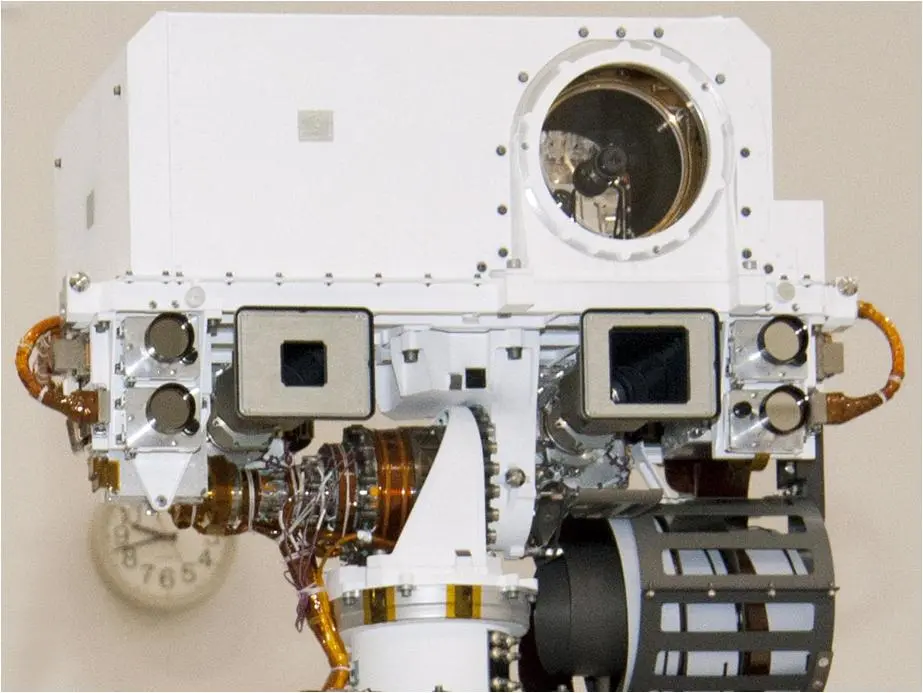
As the sun rises over the Martian landscape, a small rover, about the size of a car, continues its relentless journey across the red terrain. NASA’s Curiosity rover, which landed on Mars on August 6, 2012, has now completed 14 years of exploration, uncovering secrets about the planet’s past that could reshape our understanding of life beyond Earth. With each passing day, Curiosity sends back data that paints a complex picture of ancient Martian environments, revealing clues about water, climate, and potentially habitable conditions.
A Milestone in Martian Exploration
Curiosity’s mission is a remarkable achievement in the annals of space exploration. Launched from Cape Canaveral in November 2011, the rover’s primary goal was to determine whether Mars ever had the right conditions to support microbial life. Over the years, Curiosity has traveled more than 28 kilometers (17 miles) across the Gale Crater, a vast basin that once hosted a lake. This crater is a scientifically rich area, allowing researchers to study sedimentary rock layers that tell the story of the planet’s watery past.
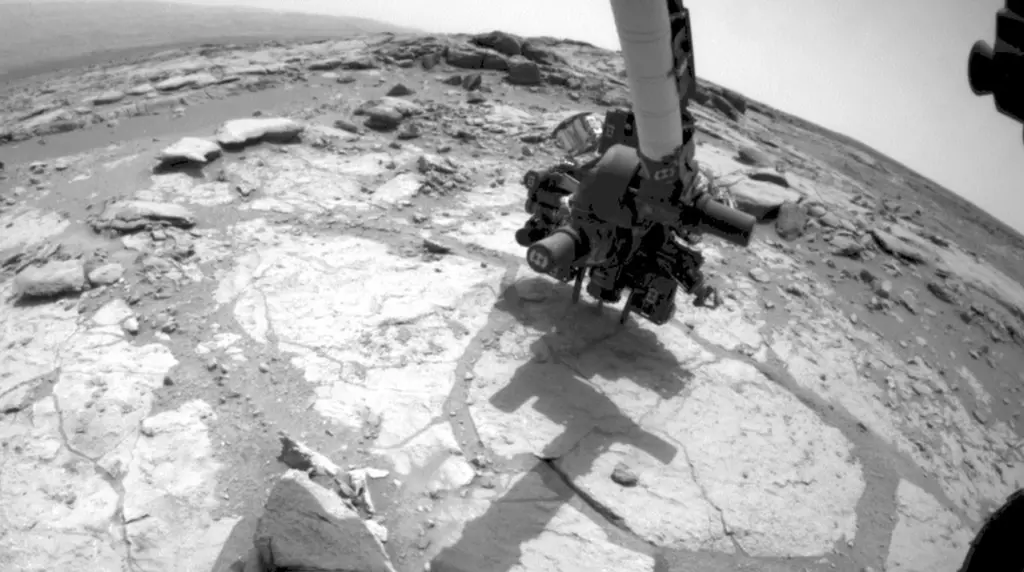
Throughout its journey, Curiosity has employed a suite of sophisticated scientific instruments, including a drill to collect rock samples, a laser to analyze the composition of rocks, and cameras to capture stunning images of the Martian surface. Each tool has played a crucial role in piecing together Mars’ geological history, revealing evidence of ancient riverbeds and minerals that form in the presence of water.
Unveiling the Secrets of Mars
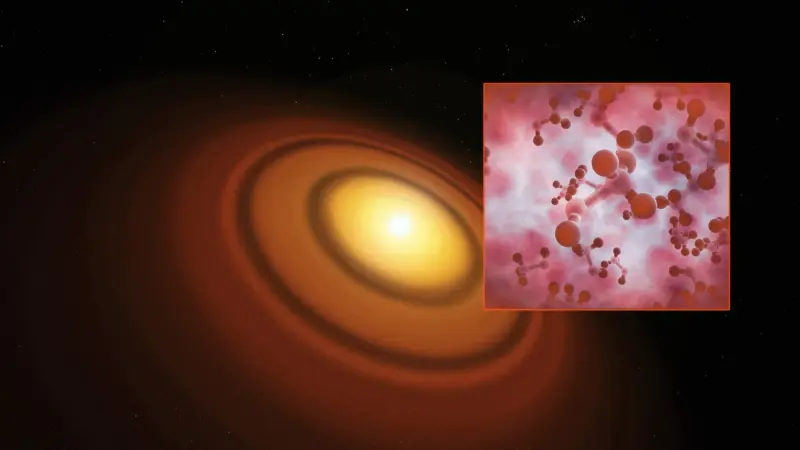
One of Curiosity’s most significant findings came from its analysis of the Martian atmosphere and surface conditions. The rover discovered complex organic molecules in rock samples, which are essential building blocks for life as we know it. While these findings do not confirm life existed on Mars, they suggest that the planet had the necessary ingredients to support life in its ancient past.
Moreover, Curiosity’s exploration of the Gale Crater has revealed various geological features, including clay minerals and sulfate salts, which indicate a history of water activity. These discoveries have profound implications for understanding the planet’s climate evolution and the potential for habitability, providing a clearer picture of Mars’ transition from a warm, wet environment to the cold, arid landscape we see today.
The Science Behind Curiosity's Success
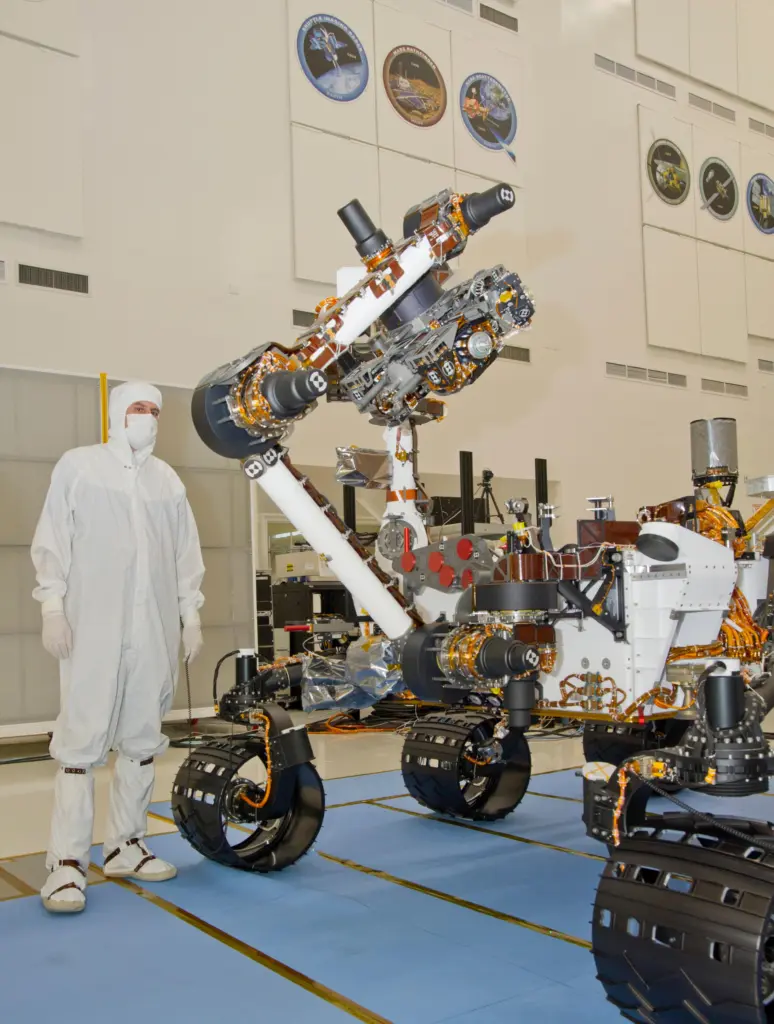
Curiosity operates autonomously, making decisions based on its programming and the data it collects. It uses a combination of pre-programmed tasks and real-time analysis to navigate the rugged Martian terrain. The rover’s ability to assess its surroundings and adapt to new challenges has been crucial for its extended mission.
The rover’s longevity is also a testament to the engineering prowess of NASA’s team. Initially designed for a two-year mission, Curiosity has exceeded all expectations, continuing to function and send valuable data back to Earth. This extended mission has allowed scientists to refine their understanding of Mars and adjust their research goals based on new discoveries.
Looking to the Future of Mars Exploration
As Curiosity celebrates its 14th anniversary, the scientific community eagerly anticipates the future of Mars exploration. NASA’s Perseverance rover, which landed in February 2021, is already building on Curiosity’s legacy. Perseverance’s mission focuses on astrobiology and the search for past life, while also collecting samples for a potential return to Earth.
Additionally, the upcoming Mars Sample Return mission aims to bring back samples collected by both Curiosity and Perseverance, providing unprecedented access to Martian materials for analysis on Earth. This collaboration between rovers will deepen our understanding of the planet and its potential to harbor life, paving the way for future human exploration.
A Legacy of Discovery
Curiosity’s journey is not just about exploring another planet; it is a story of human ingenuity, determination, and the unyielding quest for knowledge. The rover has provided invaluable insights into Mars’ past and continues to inspire new generations of scientists and explorers. As we look to the stars, Curiosity serves as a reminder of the importance of exploration and the endless possibilities that lie beyond our home planet.
Sources: NASA
Images: Cover: NASA/JPL; Figure 1: NASA/JPL; Figure 2: NASA/JPL





Science desk team of Everyman Science, curating and reporting on the day’s most significant developments in research, space exploration, and technology.