A pumpkin enzyme makes peanut allergens harder for IgE to spot
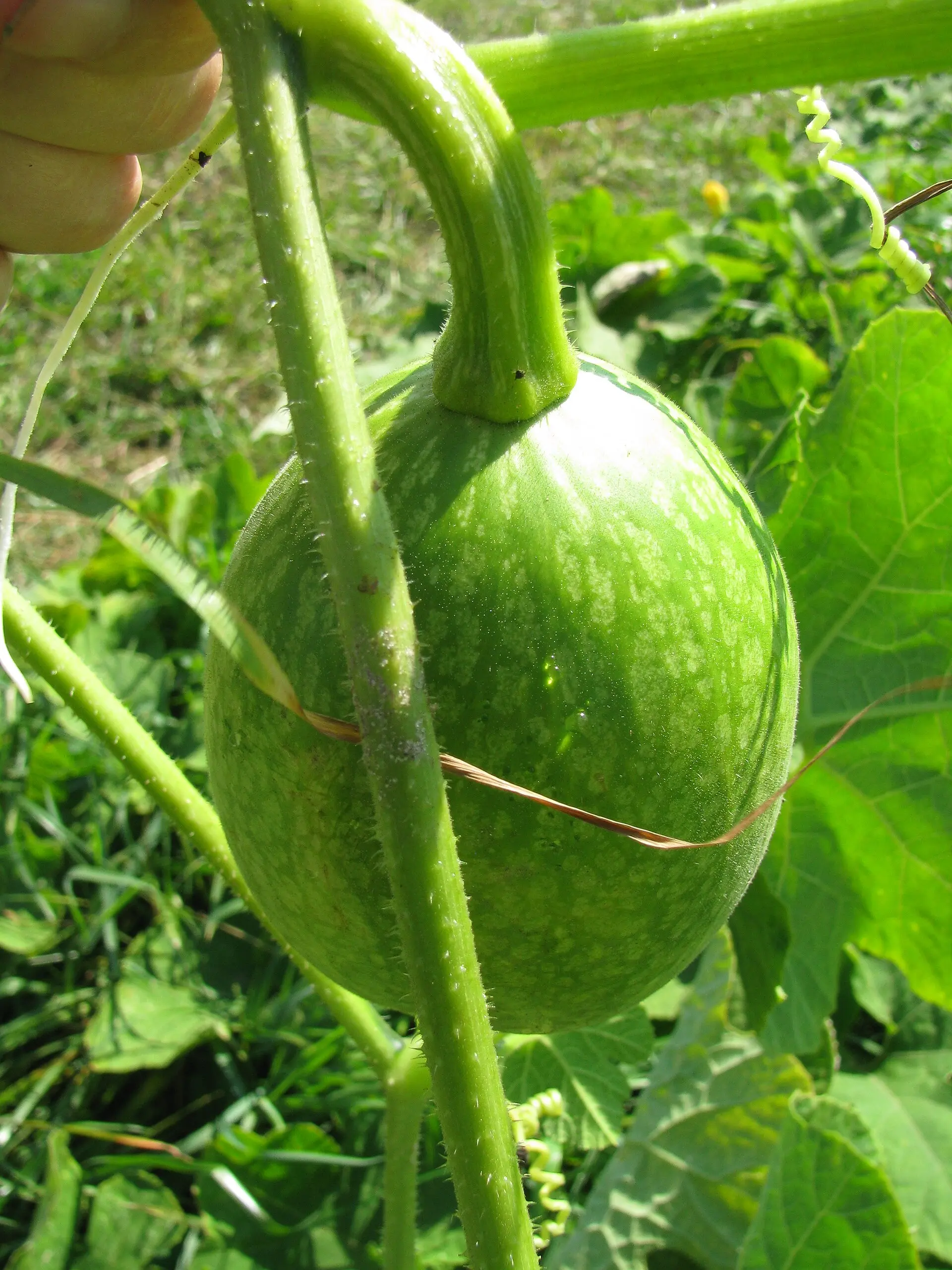
Set a peanut beside a figleaf gourd—the pale, mottled pumpkin sometimes grown for preserves—and they seem to belong to different worlds. In the lab, though, researchers paired them for a starkly practical reason: to see whether a protease, an enzyme from Cucurbita ficifolia, could blunt how fiercely peanut proteins latch onto the very antibodies that set off allergic reactions.
The question matters because peanut allergy sits among the most serious food allergies and can unleash sudden, life‑threatening reactions. Even a small amount is enough to trigger anaphylaxis in sensitized people, said Ewa Willak‑Janc, MD, Ph.D., a co‑author on the work.
From garden vine to protein shears
Researchers from Wroclaw University of Environmental and Life Sciences, working with Wroclaw Medical University, set out to test a natural enzyme obtained from figleaf gourd against peanut proteins. They asked whether enzymatic hydrolysis—cutting proteins into smaller pieces—would reduce recognition by the antibodies that drive allergic reactions.
Published in Food Chemistry, the study found that hydrolysis could significantly reduce the immunoreactivity of peanut proteins. That is a careful phrasing with a big practical implication: by changing the proteins, the team made them less visible to the immune system’s sentinels in lab tests.
Why target Ara h 2 and its allies
Peanuts contain many allergenic proteins, but two loom especially large. Ara h 2 and Ara h 6 are among the most potent peanut allergens, and they are notoriously difficult to tame with ordinary food processing. In the latest work, the enzyme‑driven approach targeted whole peanut protein preparations rather than any single molecule, with an eye on whether these heavy‑hitters would lose some of their grip on antibodies.
They did—but not all the way. Even after hydrolysis, smaller protein fragments remained and could still be recognized by IgE, the class of antibodies that mediates immediate‑type food allergy. Among the allergens that retained reactivity were Ara h 2, Ara h 6 and Ara h 3.
Not your usual digestive enzymes
Food scientists have long used enzymes—often commercial preparations of digestive enzymes—to break down plant and animal proteins. Applied alone, in combination, or alongside heat treatment, those tools can substantially dial down how allergenic many proteins appear in assays.
But the hunt is on for new enzymes from readily available sources that can hydrolyze food proteins efficiently and, crucially, do so in ways that better reduce allergenicity. Noncommercial extracellular serine proteases from figleaf gourd are one promising group under study. Here, the pumpkin‑derived protease added another data point: targeted hydrolysis can push peanut proteins toward lower immunoreactivity.
A promising result with explicit guardrails
The headline result is unambiguous and limited at once. Enzymatic hydrolysis significantly reduced immunoreactivity—and did not eliminate it. The researchers stress that they have not produced a product that is safe for people with peanut allergy.
That distinction matters because the immune system’s response is not binary. Cutting proteins changes what antibodies can bind, but it does not guarantee that the remaining pieces are harmless. The work shows direction of travel rather than arrival.
Where this could go next—and how to measure it
What happens next moves from binding tests to cell behavior. The team’s next stage will determine whether the protein fragments that persist after hydrolysis can activate the cells involved in allergic reactions. Functional studies—specifically, basophil activation tests—will be particularly important here.
Those experiments will probe whether the lowered immunoreactivity seen in the lab translates into a reduced ability to trigger an allergic response. Only results at that level can anchor judgments about practical applications.
Designing food on purpose, not by accident
For the researchers, the attraction of a naturally derived enzyme is precision. As Anna Mandecka, Ph.D., Eng., put it, using such tools makes it possible to modify proteins precisely, not just indiscriminately break them down. The aim, echoed by Anna Dąbrowska, Ph.D., DSc., is not simply to “remove” a protein, but to learn how to modify it appropriately and control the properties of the resulting peptides.
That mindset points beyond allergy alone. If protein hydrolysis can be steered, the peptide mixtures it yields could be tuned for desirable biological and technological properties. That, Dąbrowska argues, is what gives the prospect of designing a new generation of food ingredients its teeth.
What we still don’t know
Two facts frame the uncertainty. First, peanut proteins treated with the figleaf gourd enzyme still bind IgE to some extent, and key allergens like Ara h 2, Ara h 6 and Ara h 3 retain measurable reactivity. Second, no one has yet shown in functional tests that the hydrolyzed proteins fail to activate allergy‑related cells. The authors are explicit: this is not a safe product for people with peanut allergy, and only upcoming basophil activation studies will clarify how much risk remains.
The deeper cut
Assay signals versus allergic activation
Immunoreactivity in this study refers to antibody binding, the IgE–protein interaction that’s typically read out in vitro. Those signals capture how strongly IgE recognizes molecular features on peanut proteins or their fragments, but they don’t directly report on the downstream biology that makes allergies dangerous. That’s why the next step is a basophil activation test: take immune cells that bear high‑affinity IgE receptors, expose them to the hydrolysates, and read activation markers. It’s a move from affinity to function. The logic matches the study’s central observation: hydrolysis reduces binding but leaves residual recognition—especially for Ara h 2, Ara h 6, and Ara h 3. Whether those residual interactions are enough to activate cells depends on how the remaining fragments present to IgE in the complex mixture generated by hydrolysis. The planned functional assays will quantify that gap. If activation thresholds aren’t crossed, lower immunoreactivity may translate into lower clinical risk; if they are, the chemistry will need to be pushed further or combined with other processing steps already used in food systems.
The bigger search for safer proteins
This pumpkin‑peanut pairing sits in a broader push. Enzymes are already workhorses in food processing, but most come from off‑the‑shelf digestive preparations. Researchers are still scouting for new, readily sourced enzymes that can more efficiently modify food proteins and, ideally, take a bigger bite out of allergenicity than standard treatments alone.
The Food Chemistry study adds weight to that search by showing that a figleaf gourd serine protease can make peanut proteins less recognizable to allergy antibodies. It’s not a cure, nor a finished ingredient—but it is a concrete advance toward foods with reduced allergenic potential, guided not by guesswork but by measured changes in how immune molecules respond.
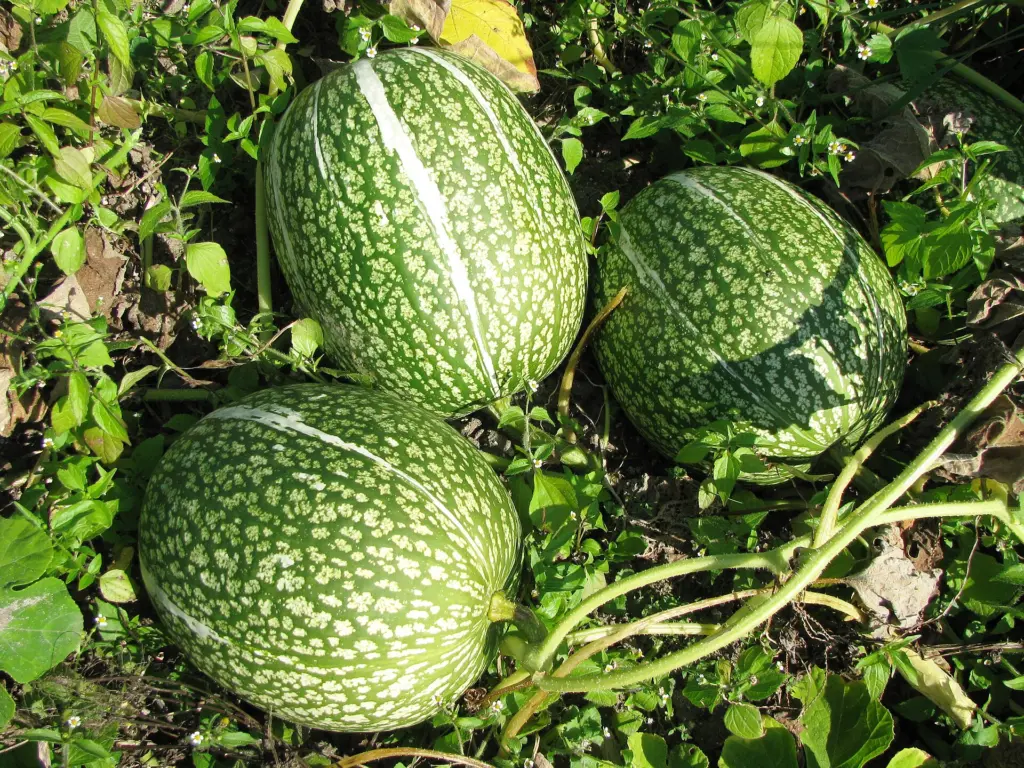

The paper: Pumpkin power: The influence of serine protease isolated from Cucurbita ficifolia on peanut proteins (Food Chemistry, 2026)
Sources: Pumpkin-derived enzyme weakens peanut proteins' binding to allergy antibodies in lab tests (phys.org)
Images: Cover: Zenon Sych / Wikimedia Commons (CC BY-SA 4.0); Figure 1: Zenon Sych / Wikimedia Commons (CC BY-SA 4.0); Figure 2: Panek / Wikimedia Commons (CC BY-SA 4.0)
How this article was made: Everyman Science uses AI tools to structure, format and optimise its articles, and occasionally to produce illustrations where no free photograph exists. The reporting these articles are based on is human-produced and cited above. Spotted an error? Write to [email protected] and we will correct it. — The editors How we work.





Science desk team of Everyman Science, curating and reporting on the day’s most significant developments in research, space exploration, and technology.