Perseids Meteor Shower: A Celestial Fireworks Show
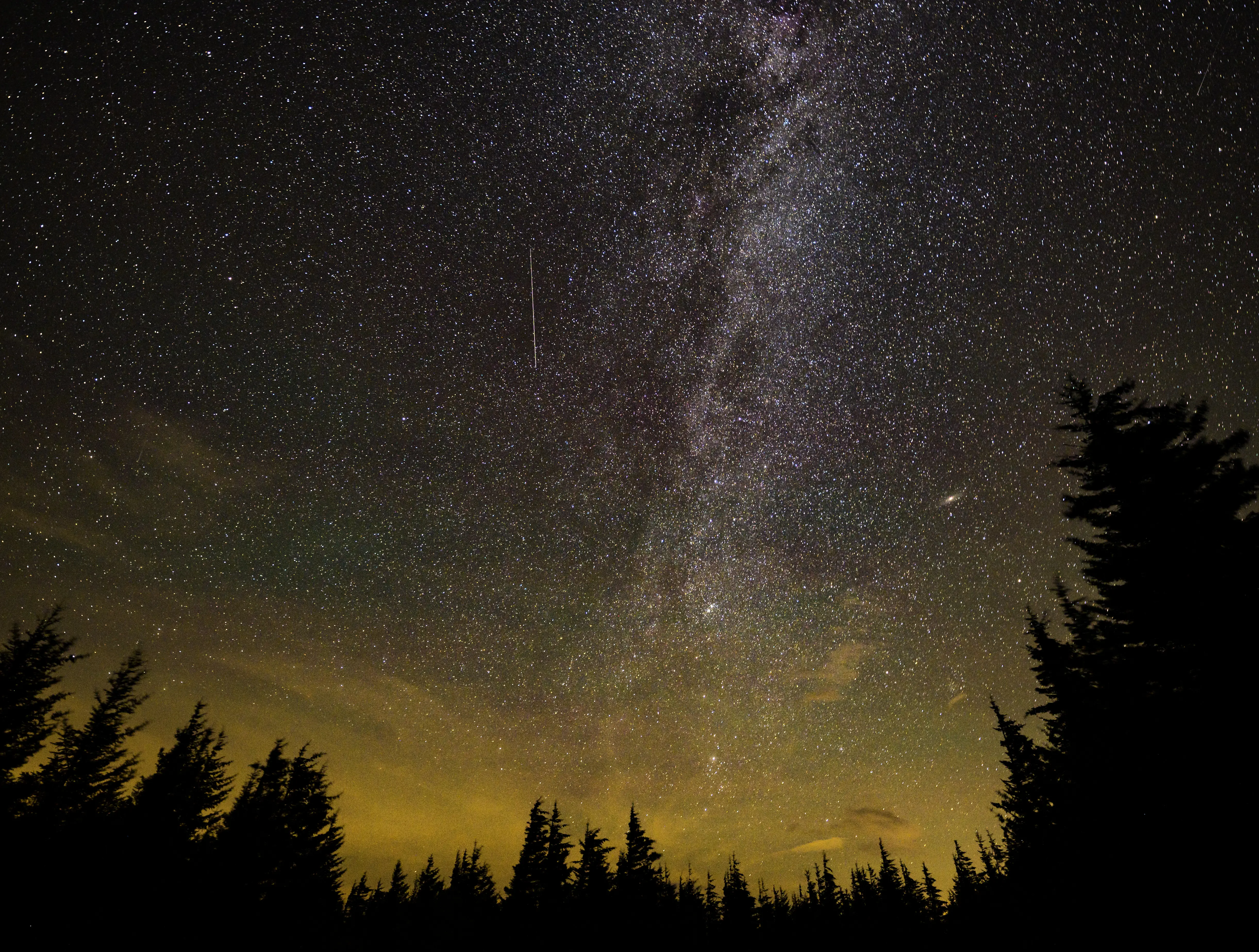
Every August, the night sky comes alive as the Perseids meteor shower reaches its peak, offering a spectacular show of shooting stars. This annual celestial event is one of the most anticipated by astronomers and stargazers alike, known for its bright meteors and high frequency of visible shooting stars. This year, the Perseids peaked on the night of August 12th into the early morning of the 13th, illuminating the sky with its radiant display.
The Perseids are renowned not only for their brightness but also for their reliability, making them a favorite among meteor enthusiasts. With a rate of up to 100 meteors per hour at its peak, the shower offers a magnificent view, especially in areas with little to no light pollution. As Earth passes through the debris left by Comet Swift-Tuttle, these meteors streak across the sky, creating a stunning natural light show.
The Science Behind the Perseids
The Perseids meteor shower originates from the debris field left by Comet Swift-Tuttle, a periodic comet with an orbital period of 133 years. As the comet travels through space, it leaves behind a trail of dust and particles. Each year, from mid-July to late August, Earth crosses this path, and the particles enter our atmosphere at speeds of up to 59 kilometers per second.
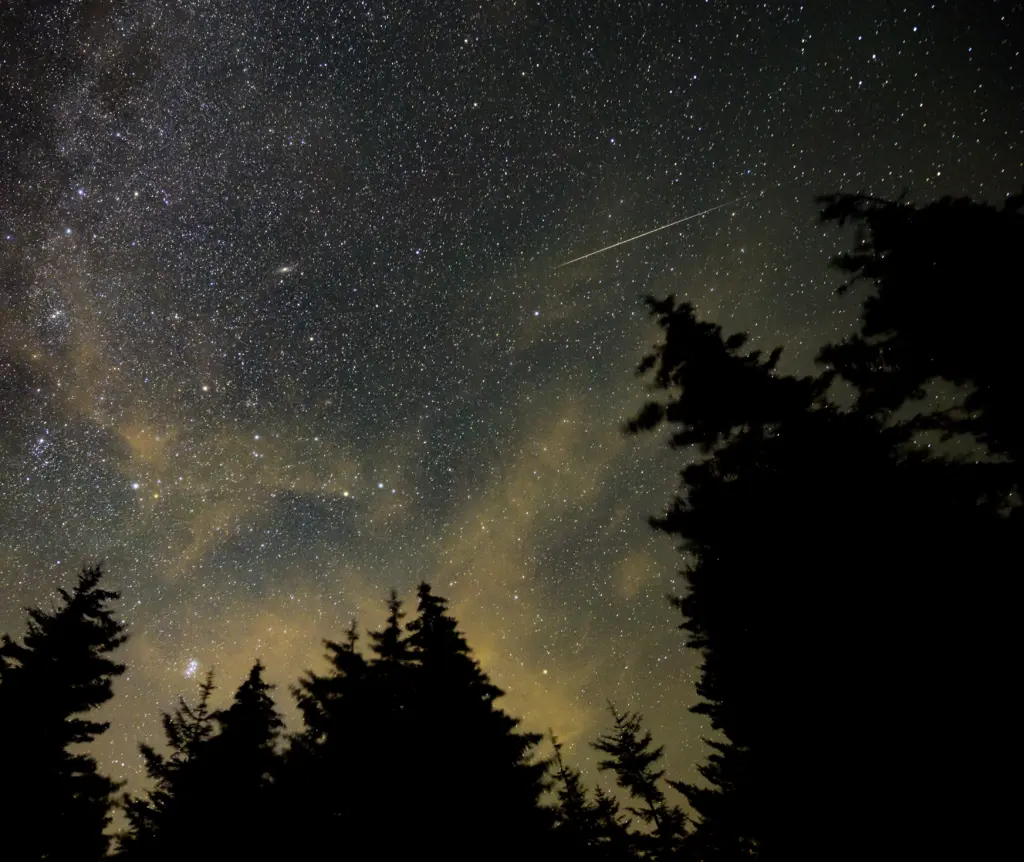
When these particles, often no larger than a grain of sand, collide with Earth’s atmosphere, they burn up due to friction, creating the bright streaks we see as meteors. The radiant point of the Perseids is in the constellation Perseus, which gives the shower its name. This point is where the meteors appear to originate from, although they can be seen across the sky.
Why the Perseids Matter
Beyond their visual appeal, meteor showers like the Perseids offer scientists valuable insights into the composition of comets and the solar system’s history. By studying the particles that burn up in our atmosphere, researchers can learn more about the materials that formed the early solar system. This data helps to piece together the processes that led to the formation of planets and other celestial bodies.
Additionally, meteor showers are a reminder of the dynamic nature of our solar system. They illustrate the ongoing interactions between celestial bodies and the remnants of ancient cosmic events. For the public, the Perseids provide a direct connection to the cosmos, inspiring curiosity and a sense of wonder about our place in the universe.
Optimal Viewing Conditions
To fully appreciate the Perseids, finding a location with minimal light pollution is key. Rural areas, away from city lights, offer the best chance to see the meteors clearly. The shower is best viewed after midnight, when the sky is darkest and the radiant point is highest above the horizon.
No special equipment is needed to enjoy the Perseids. A comfortable chair, a warm blanket, and a clear sky are all that’s required. It’s advisable to give your eyes about 20 minutes to adjust to the dark for optimal viewing. Patience is also essential, as the meteors can appear sporadically across the sky.
The Perseids Through History
The Perseids have been observed for over 2,000 years, with the earliest recorded sightings by Chinese astronomers. Throughout history, different cultures have interpreted meteor showers in various ways, often seeing them as omens or messages from the gods. Today, they are celebrated as natural phenomena that connect us to the broader universe.
In modern times, the Perseids have become a popular event for both amateur and professional astronomers. Star parties and public viewing events are common during the peak nights, fostering community engagement and interest in astronomy. The Perseids serve as a reminder of the beauty and mystery that the night sky holds.
Looking Forward: Future Meteor Showers
While the Perseids are among the most famous meteor showers, they are not the only ones. The Leonids, Geminids, and Quadrantids are other notable showers that offer spectacular views at different times of the year. Each has its own unique characteristics and history, contributing to the rich tapestry of celestial events.
As technology advances, our ability to study and predict meteor showers improves. This not only enhances our understanding of these phenomena but also increases public interest in space science. The Perseids and other meteor showers continue to inspire awe and wonder, encouraging exploration and discovery.
Sources: NASA, phys.org
Images: Cover: NASA/Bill Ingalls; Figure 1: NASA/Bill Ingalls





Science desk team of Everyman Science, curating and reporting on the day’s most significant developments in research, space exploration, and technology.