Marine Heatwaves: A Boiling Threat to Ocean Ecosystems
Imagine diving into the crystal-clear waters of a coral reef, only to find it eerily silent and colorless. The once vibrant corals are now ghostly white, and the fish that used to dart between them are nowhere to be seen. This haunting scene is becoming more common as marine heatwaves, periods of unusually high sea temperatures, disrupt ocean ecosystems around the world.
What Are Marine Heatwaves?
Marine heatwaves are prolonged periods of elevated sea temperatures. These events can last for days, weeks, or even months, and they occur when sea temperatures exceed the average by a significant margin. Defined by their intensity and duration, marine heatwaves are becoming more frequent due to climate change, with rising global temperatures causing the oceans to absorb more heat.
The Impact on Marine Life
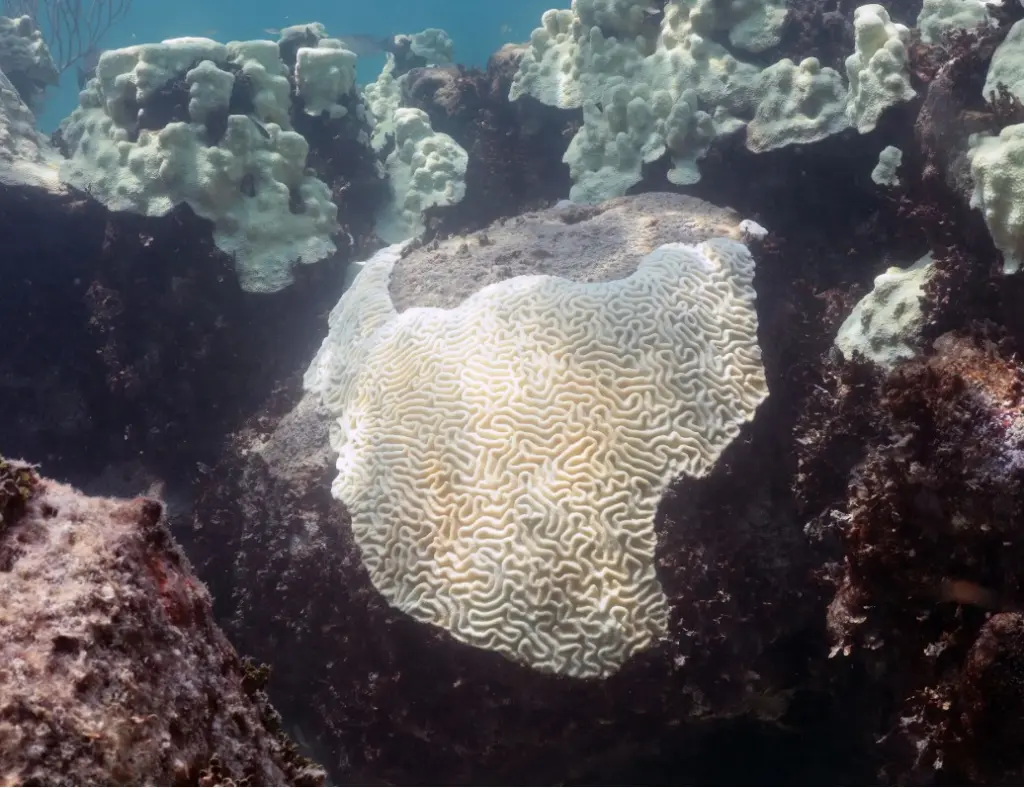
The effects of marine heatwaves on marine life are profound and often devastating. Corals, which are particularly sensitive to temperature changes, experience bleaching when stressed by heat. This process weakens the corals, making them more susceptible to disease and leading to large-scale die-offs. Fish and other marine organisms are also affected, as changes in water temperature can disrupt breeding patterns, migration, and food availability.
Beyond corals, marine heatwaves can lead to the collapse of entire ecosystems. For instance, the 2011 marine heatwave off the coast of Western Australia resulted in the loss of kelp forests, which serve as crucial habitats for many marine species. This loss had cascading effects on the entire marine food web, highlighting the interconnectedness of ocean ecosystems.
Drivers of Marine Heatwaves
The primary driver of marine heatwaves is climate change. As the planet warms, oceans absorb much of this heat, leading to changes in ocean currents and weather patterns that can trigger heatwaves. Other factors, such as El Niño events, can exacerbate these conditions by altering atmospheric and oceanic circulation patterns, further elevating sea temperatures.
Human activities also play a role. Coastal development, pollution, and overfishing can weaken marine ecosystems, making them more vulnerable to the impacts of heatwaves. The combined effect of these stressors reduces the resilience of marine environments, leaving them less able to recover from extreme temperature events.
Global Implications of Rising Sea Temperatures
The repercussions of marine heatwaves extend beyond local ecosystems. They can alter global weather patterns, influence fishery yields, and impact food security. As fish populations decline or migrate to cooler waters, communities that rely on fishing for their livelihoods face economic challenges. Additionally, the loss of biodiversity from coral reefs and other marine habitats can reduce the ocean’s ability to provide ecosystem services, such as carbon sequestration and coastal protection.
Moreover, marine heatwaves contribute to the acidification of oceans. Warmer waters hold less oxygen, leading to hypoxic conditions that can further stress marine life. This combination of heat and low oxygen levels creates a hostile environment for many marine species, further threatening biodiversity.
Mitigation and Adaptation Strategies
To address the growing threat of marine heatwaves, a combination of mitigation and adaptation strategies is essential. Reducing greenhouse gas emissions is a critical step in slowing global warming and limiting the frequency and intensity of marine heatwaves. International agreements, such as the Paris Agreement, aim to unite countries in reducing emissions and promoting sustainable practices.
Locally, efforts can focus on protecting and restoring marine habitats to enhance their resilience. Establishing marine protected areas, reducing pollution, and implementing sustainable fishing practices can help ecosystems better withstand temperature fluctuations. Additionally, research and monitoring programs are vital in understanding heatwave patterns and predicting future events, allowing for timely responses to mitigate their impacts.
Looking Forward: The Future of Our Oceans
As marine heatwaves become more common, understanding and addressing their impacts is crucial for the future of our oceans. Continued research is needed to unravel the complex interactions between climate change and oceanic systems. Innovative solutions, such as coral gardening and the development of heat-resistant coral species, offer hope for preserving biodiversity.
Public awareness and education are also key in driving change. By understanding the consequences of marine heatwaves, individuals and communities can advocate for policies that protect marine environments. As we look to the future, a concerted global effort will be essential to safeguard the health of our oceans and the myriad life forms they support.
Sources: phys.org
Images: Cover: Everyman Science (illustration); Figure 1: NOAA / Wikimedia Commons





Science desk team of Everyman Science, curating and reporting on the day’s most significant developments in research, space exploration, and technology.