Navigating the Moon: NASA’s Vision for Lunar Technologies
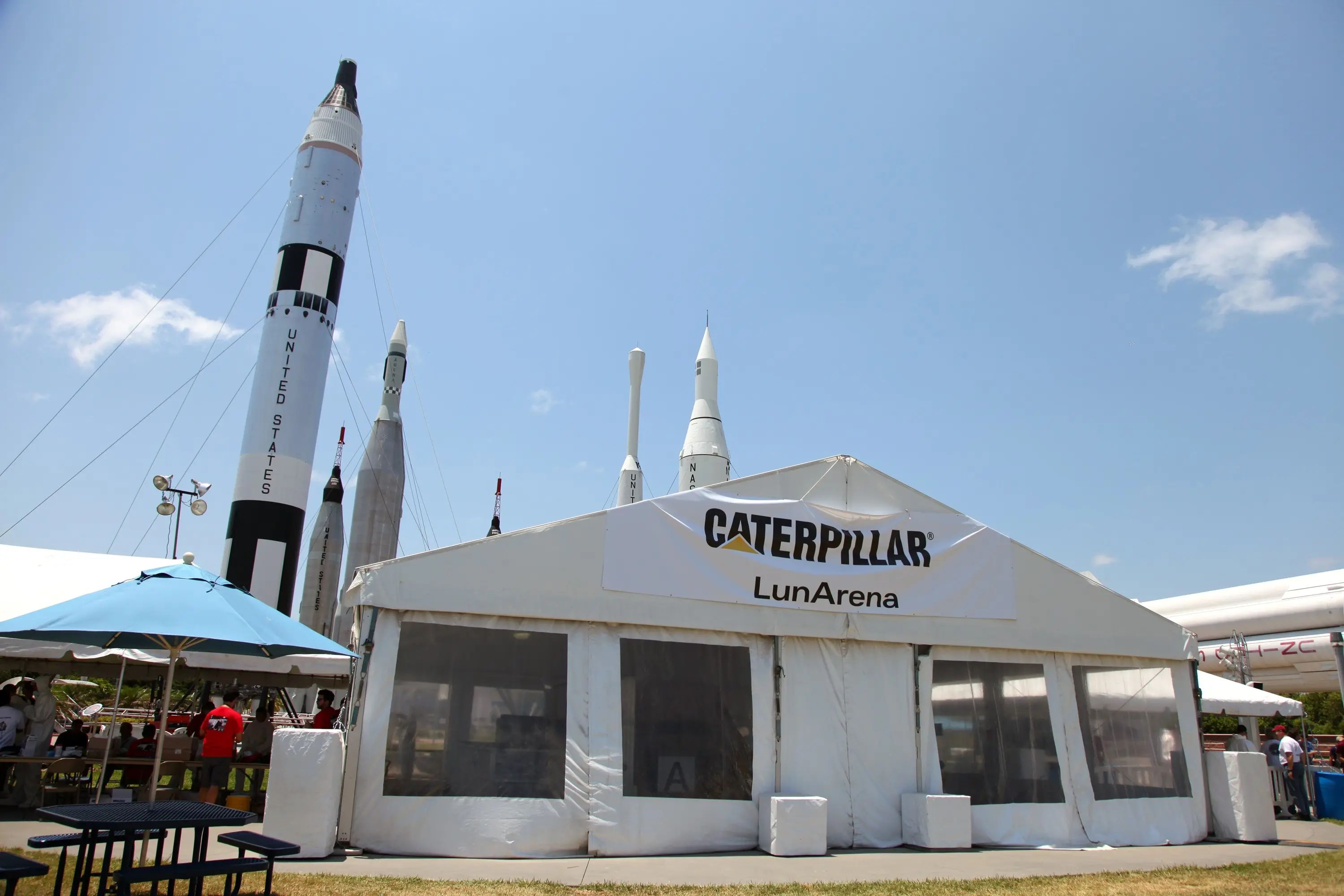
As humanity stands on the brink of returning to the Moon, a new generation of innovators is being invited to play a crucial role in shaping this future. NASA has launched a competition encouraging U.S.-based collegiate teams to conceptualize bold, original technologies that could facilitate sustained operations on the lunar surface, particularly in the South Pole region. This initiative is part of the agency’s Revolutionary Aerospace Systems Concepts – Academic Linkage (RASC-AL) competition, and it aims to harness the creativity and technical prowess of students to solve the challenges of lunar exploration.
The Call to Innovate: RASC-AL Competition
The RASC-AL competition invites student teams from colleges and universities across the United States to propose innovative solutions that address the unique challenges of living and working on the Moon. These challenges include developing life support systems, energy generation methods, and sustainable habitats that can withstand the Moon’s harsh environment, characterized by extreme temperatures and radiation.
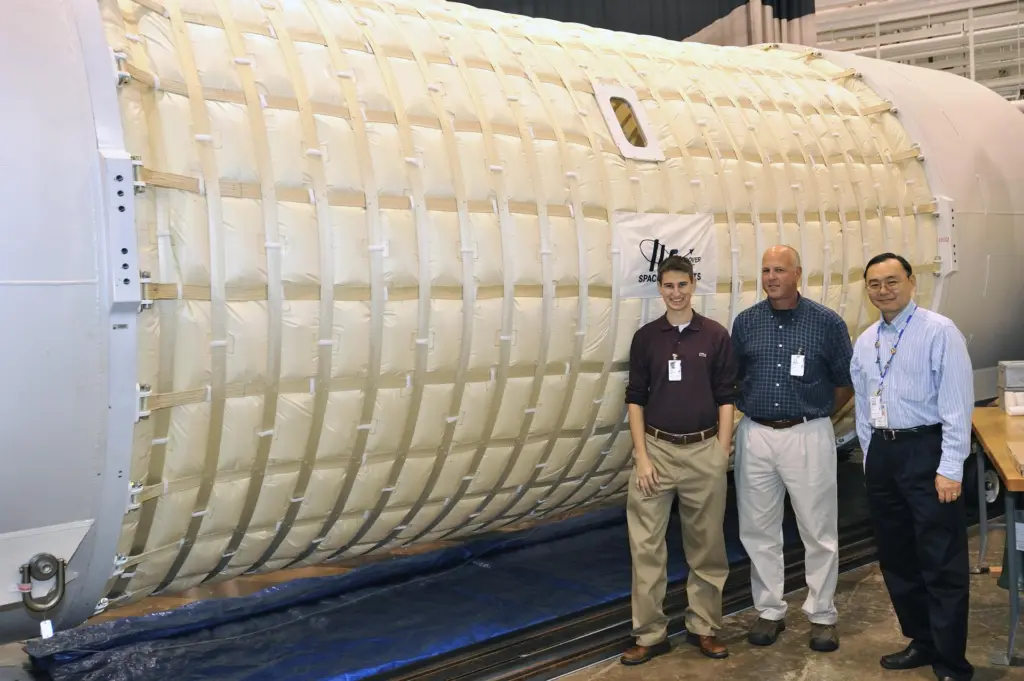
Chris Jones, chief technologist at NASA’s Langley Research Center, emphasizes that this competition not only showcases the technical excellence of students but also ignites their passion for exploration. By engaging with real-world problems, participants can contribute to NASA’s Artemis program, which aims to land the next astronauts on the lunar surface by 2024 and establish a sustainable human presence by the end of the decade.
Why the Moon? The Importance of Lunar Exploration
The Moon serves as a critical stepping stone for future space exploration, particularly for missions to Mars and beyond. Its proximity to Earth makes it an ideal testing ground for technologies that will be essential for long-duration space missions. Moreover, the lunar South Pole is believed to harbor water ice, a vital resource that could support human life and fuel future missions.
Beyond its scientific and exploratory significance, lunar exploration also holds the potential for economic growth. The Moon could provide materials necessary for building spacecraft and supporting life, reducing the costs of deeper space missions. As interest in lunar resources grows, innovative technologies developed through competitions like RASC-AL could pave the way for a burgeoning lunar economy.
Challenges of Lunar Living: What Needs to Be Solved?
Living on the Moon presents a myriad of challenges. The lack of atmosphere means that solar radiation and cosmic rays pose significant threats to human health. Additionally, the Moon’s surface experiences extreme temperature fluctuations, ranging from scorching heat during the day to frigid cold at night. Solutions must ensure that habitats provide adequate protection and maintain a stable environment for astronauts.
Energy is another crucial factor. While solar power is a potential solution, the Moon’s long nights (about 14 Earth days) necessitate energy storage and alternative generation methods. Teams participating in the RASC-AL competition will need to think creatively about energy sustainability, life support systems, and waste recycling to create a viable lunar outpost.
Engaging the Next Generation of Space Explorers
The RASC-AL competition is more than just a technical challenge; it is also an opportunity to inspire the next generation of scientists, engineers, and explorers. By involving students in the design and conceptualization of lunar technologies, NASA not only cultivates interest in STEM (science, technology, engineering, and mathematics) fields but also empowers young minds to take ownership of humanity’s future in space.
As these students brainstorm and innovate, they will also be contributing to a larger narrative of exploration that dates back to humanity’s first steps on the Moon in 1969. Their ideas could lead to technologies that will not only support lunar missions but also inspire future generations to dream of and work towards a multi-planetary existence.
Looking Ahead: The Future of Lunar Exploration
As NASA prepares for its Artemis missions, the insights and innovations from the RASC-AL competition could play a pivotal role in shaping the future of lunar exploration. The agency envisions a sustainable human presence on the Moon by the end of the decade, with the potential for scientific discoveries and economic opportunities that could benefit life on Earth.
This competition represents a crucial step in not just exploring the Moon, but in fostering a culture of innovation that will be essential for future space endeavors. As we look to the stars, it is the creativity and passion of today’s students that will help navigate the challenges of tomorrow.
Sources: NASA
Images: Cover: NASA/KSC; Figure 1: George Homich / NASA





Science desk team of Everyman Science, curating and reporting on the day’s most significant developments in research, space exploration, and technology.