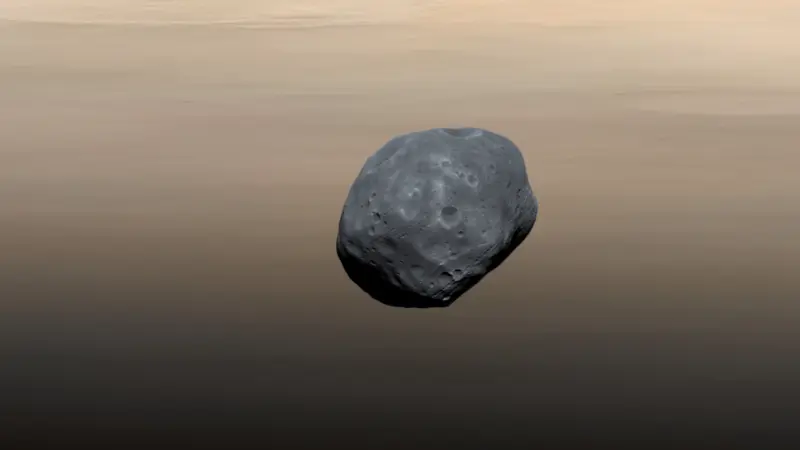
JAXA’s MMX launches Oct 20, 2026 to land on Phobos twice, collect at least 10 g, deploy the 25‑kg Idefix rover, and return samples to Earth in 2031.

JAXA’s MMX launches Oct 20, 2026 to land on Phobos twice, collect at least 10 g, deploy the 25‑kg Idefix rover, and return samples to Earth in 2031.
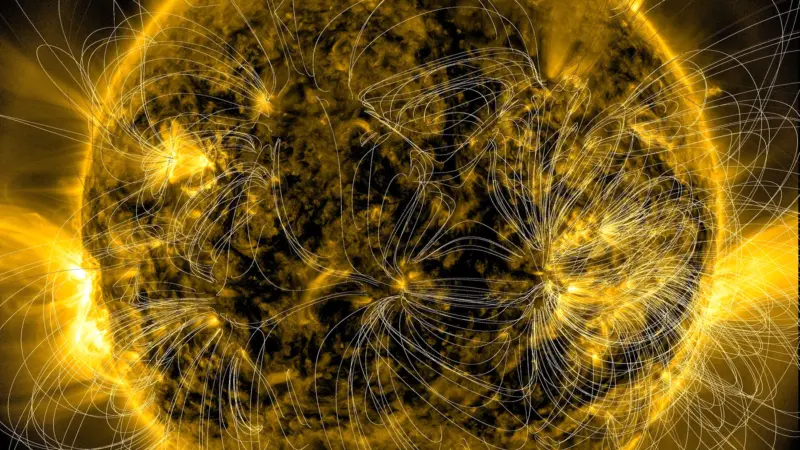
ESA’s Solar Orbiter sampled a giant switchback and, from its oxygen and carbon mix, tied its origin to interchange reconnection at the Sun’s surface.
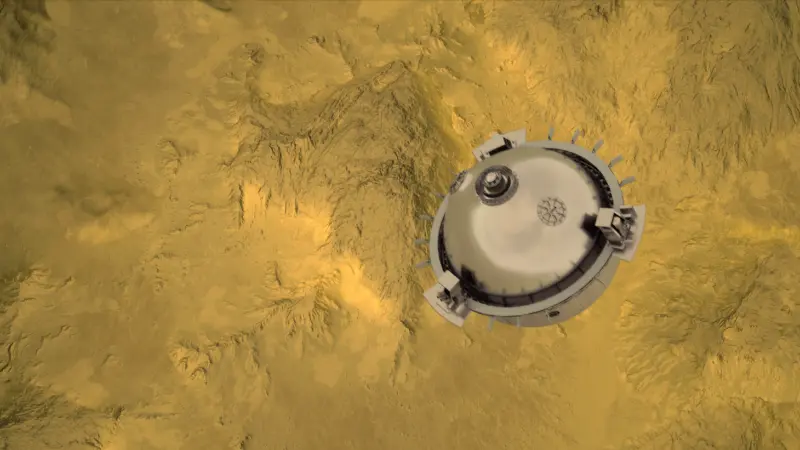
DAVINCI’s descent probe was heated to 869 F (465 C) over about an hour to mirror Venus entry—and the engineering unit performed as intended.
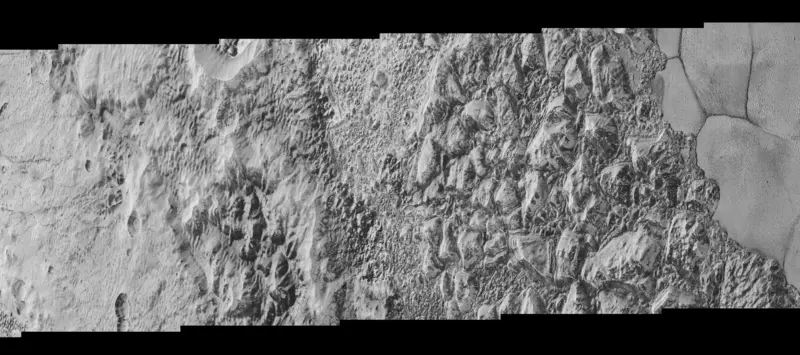
Images and models suggest basal melting in Sputnik Planitia, with liquid nitrogen rising through cracks—the first recent evidence of liquid on Pluto.
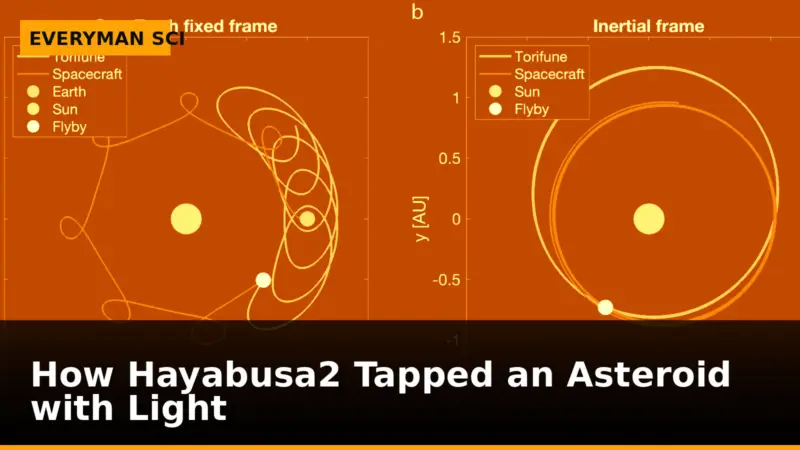
Hayabusa2 fired its laser twice at asteroid Torifune during a high‑speed flyby. Here’s how laser ranging works and why it matters for future missions.

A global roughness map says Mercury shrank more than thought: nearly 12 miles in diameter, a 10–30% boost tied to debris-hidden wrinkles.
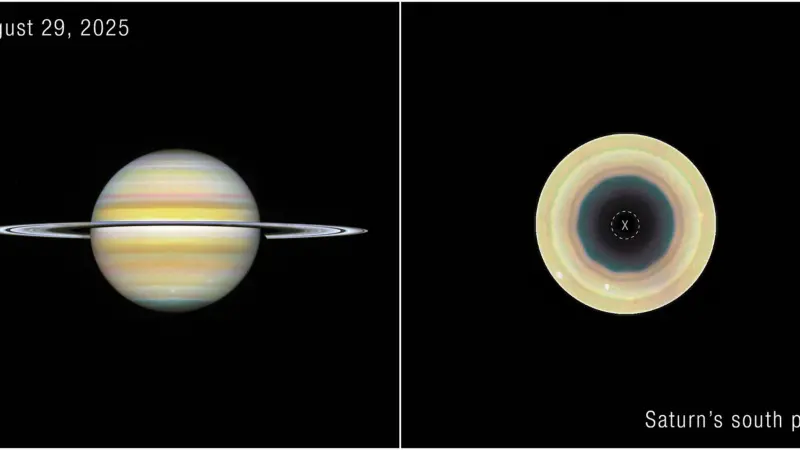
Hubble spots a giant decagon around Saturn’s south pole—about 104,250 miles wide—inviting comparisons with the long‑lived northern hexagon.
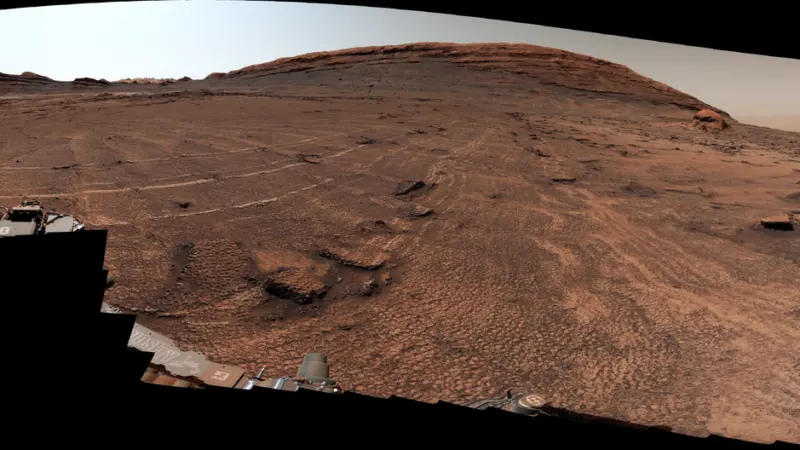
NASA’s Curiosity rover finds a field of 4–8 cm polygons and measures their shapes and chemistry to probe whether they formed as ancient mud cracks.

The August 2026 total solar eclipse revealed a stunning golden corona, offering both beauty and scientific insights.
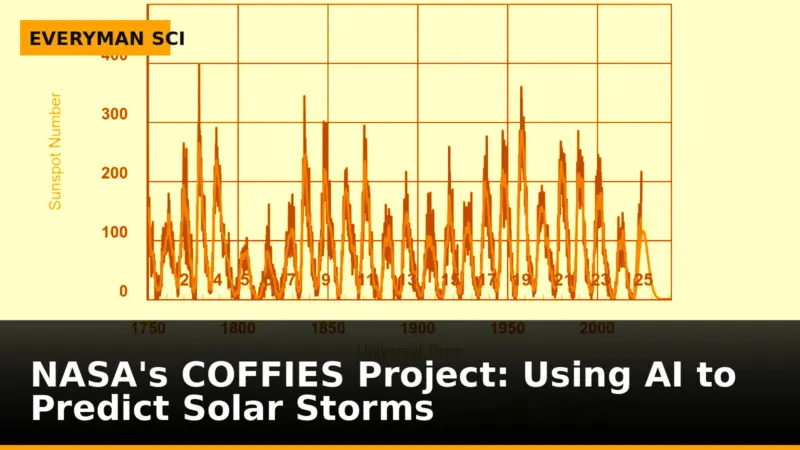
NASA’s COFFIES project uses AI to predict solar storms, enhancing space weather forecasting crucial for future space exploration.