Exploring the Moon’s South Pole: Microbial Resilience in Extreme Conditions
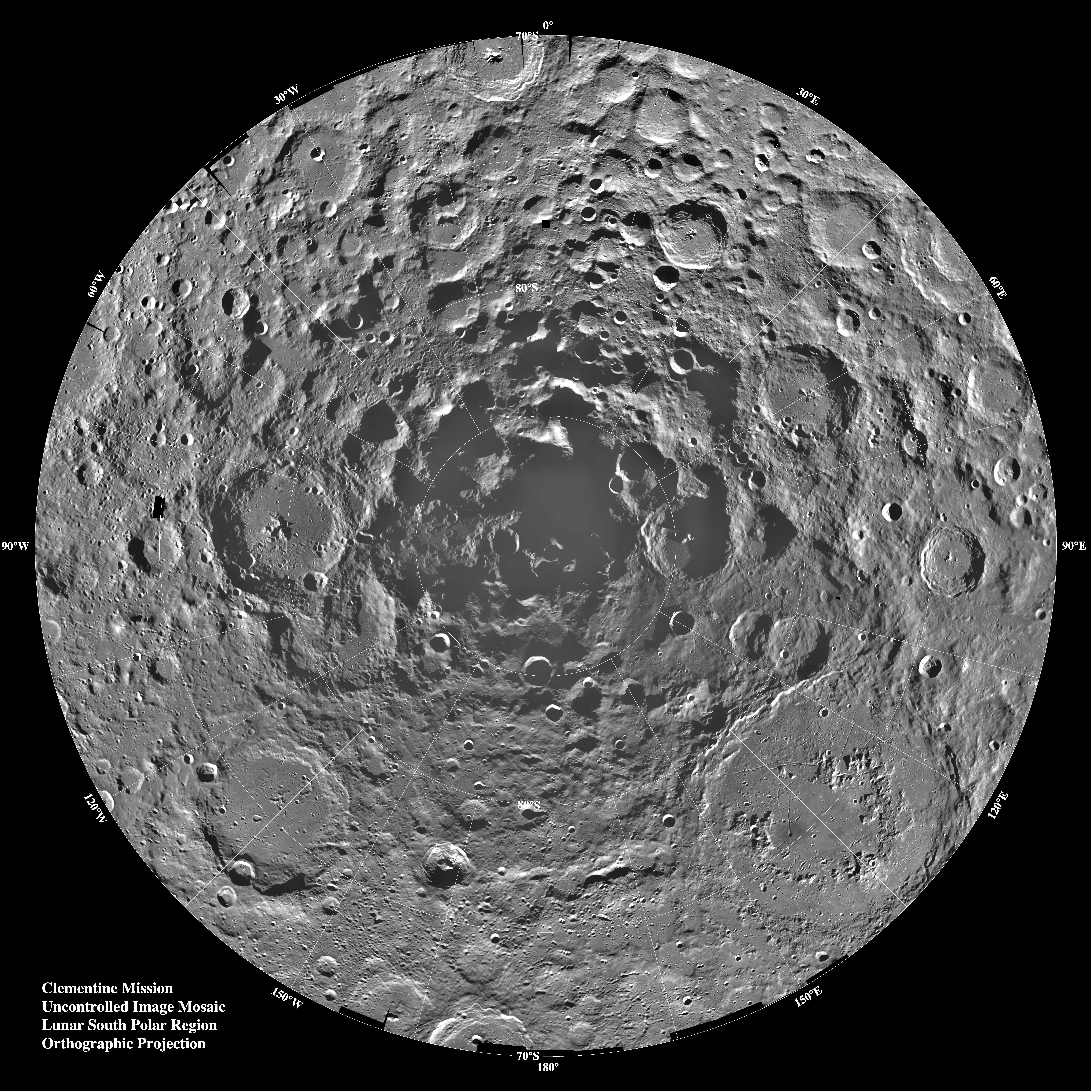
As astronauts prepare for a permanent human presence on the Moon, an unexpected revelation has surfaced: some of Earth’s microbes could potentially survive in the frigid, shadowy regions of the Moon’s South Pole. This discovery, published in the journal Science Advances, not only sheds light on the resilience of life but also raises critical questions about contamination and the integrity of lunar scientific research.
A Surprising Discovery: Microbial Survivability on the Moon
NASA scientists, studying how human-related microbes might behave in extreme lunar environments, found that certain microorganisms can endure harsh conditions that would typically be lethal. The Moon’s South Pole, characterized by its permanently shadowed craters, offers a unique environment where temperatures can plummet to extreme lows, and radiation levels are significantly higher than on Earth.
The research indicates that these microbes could not only survive but might also thrive in the Moon’s extreme cold and radiation. This adaptability prompts scientists to reconsider how we approach lunar exploration and the potential for contamination from Earth organisms.
Why It Matters: The Implications of Microbial Resilience
Understanding microbial survival on the Moon is crucial for several reasons. Firstly, as we send more missions to the Moon, including plans for permanent bases, we must ensure that we do not inadvertently contaminate the lunar environment with Earth-based organisms. This contamination could obscure our ability to study the Moon’s original geology and chemistry.
Moreover, if these microbes can survive, they might offer insights into life’s resilience and adaptability in extreme environments, which is critical for astrobiology—the study of life in the universe. This knowledge could also inform future missions to Mars and beyond, as researchers consider the potential for life on other celestial bodies.
Microbial Mechanics: How Do They Survive?
The study focused on specific strains of bacteria and fungi known for their hardiness on Earth. These organisms have developed various survival strategies, such as forming spores or producing protective biofilms that shield them from environmental stresses. Researchers utilized simulations to replicate the Moon’s conditions, examining how these microbes react to extreme temperatures and radiation exposure.
The findings suggest that the metabolic processes of these microbes could slow down significantly in the cold, allowing them to enter a dormant state. This dormancy might enable them to withstand the harsh lunar environment until conditions become more favorable for growth.
Contamination Concerns: A Double-Edged Sword
The implications of these findings extend beyond scientific curiosity. As we aim to establish a human presence on the Moon, the risk of contamination becomes a pressing concern. Microbes from Earth could potentially interact with the Moon’s surface and its unique chemical makeup, complicating our understanding of the lunar environment.
NASA’s commitment to planetary protection protocols aims to mitigate these risks. However, the discovery that some microbes could survive raises the stakes regarding how we plan and execute lunar missions. Ensuring the integrity of both lunar science and the search for extraterrestrial life requires rigorous standards and innovative solutions.
Future Missions: What Lies Ahead?
Looking forward, the implications of this research will shape how future missions, including NASA’s Artemis program, approach lunar exploration. Scientists will need to develop strategies to minimize contamination while also considering the potential for utilizing these resilient microbes in biotechnological applications.
As we prepare for a new era of exploration, understanding the adaptability of life in extreme conditions will be vital. The potential for Earth microbes to survive on the Moon not only challenges our perceptions of life but also enhances our ability to explore other planets, making this research a cornerstone of future astrobiological studies.
Sources: NASA, Science Advances
Images: Cover: NASA/JPL; Figure 1: Daniel Rutter / NASA





Science desk team of Everyman Science, curating and reporting on the day’s most significant developments in research, space exploration, and technology.