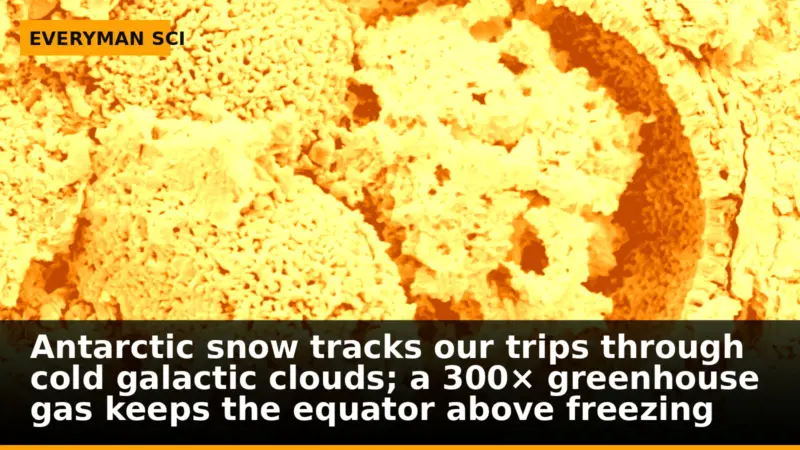
Dust in Antarctic snow matches solar system cloud crossings, while 10% N2O under a 70% Sun warms Earth’s equator to about 41°F.

Astrophysics, Astronomy, JWST, NASA, ESA, Roskosmos
Dust in Antarctic snow matches solar system cloud crossings, while 10% N2O under a 70% Sun warms Earth’s equator to about 41°F.
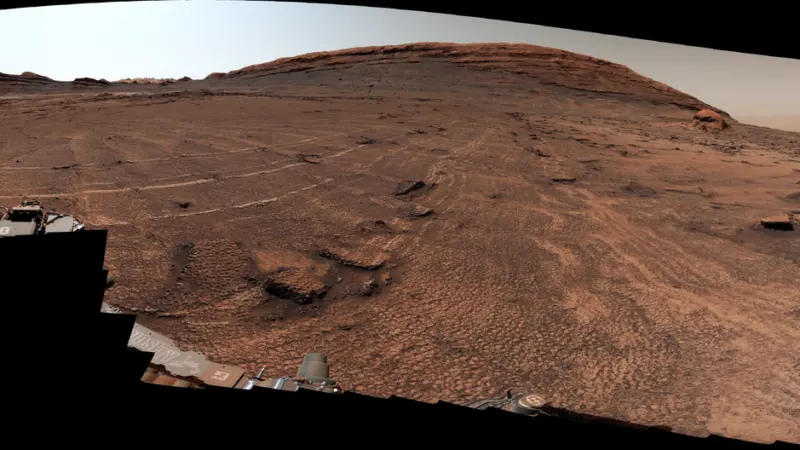
NASA’s Curiosity rover finds a field of 4–8 cm polygons and measures their shapes and chemistry to probe whether they formed as ancient mud cracks.
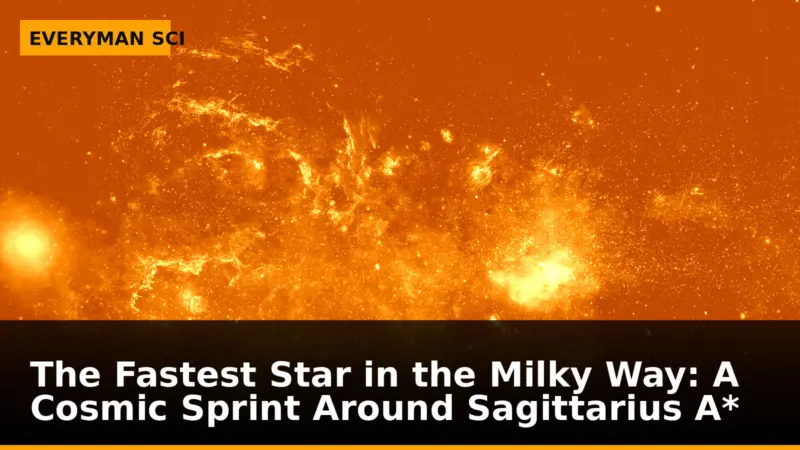
Discover the fastest known star in the Milky Way, orbiting the supermassive black hole Sagittarius A* at incredible speeds.
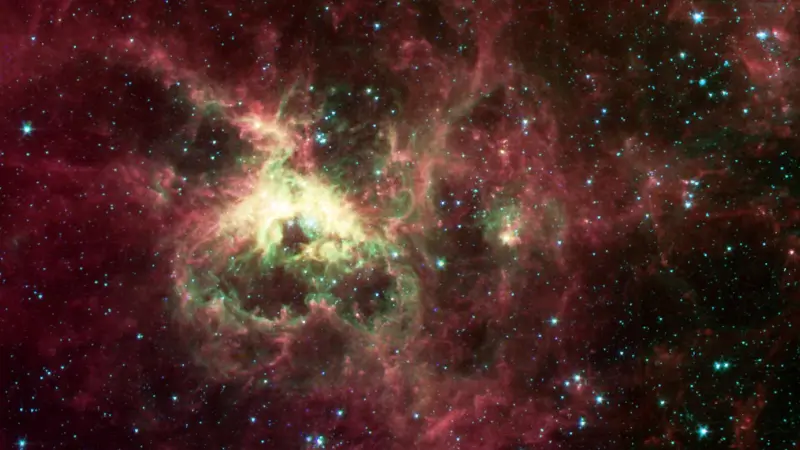
Discover the Tarantula Nebula’s role in stellar evolution and its significance in understanding the universe.
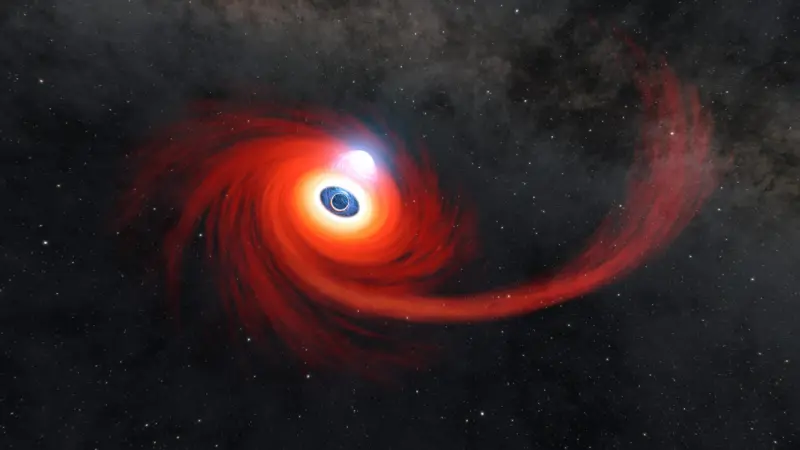
Astronomers unveil a new type of astrophysical object, a ‘black hole star,’ that challenges our understanding of stellar formation.

The August 2026 total solar eclipse revealed a stunning golden corona, offering both beauty and scientific insights.
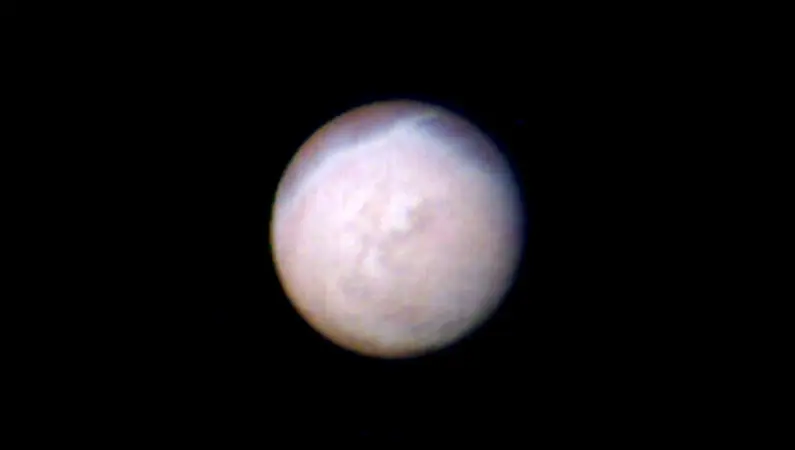
A new study suggests Neptune’s tiny moons may be remnants of a catastrophic event caused by Triton’s capture.
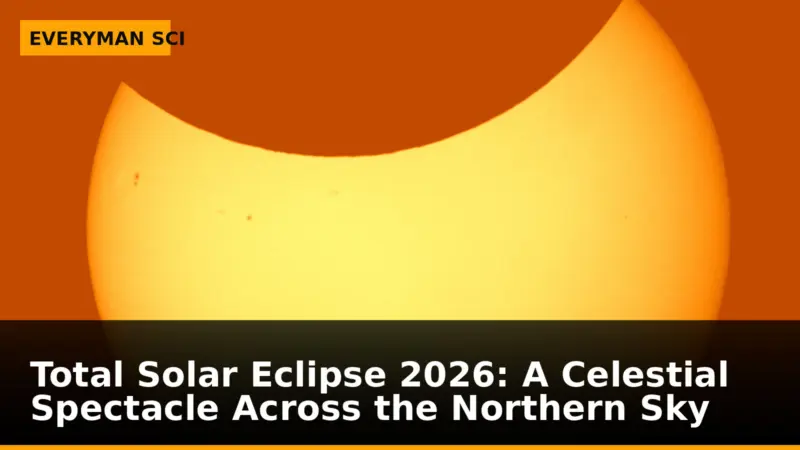
The 2026 total solar eclipse cast a mesmerizing shadow from Greenland to Spain, offering a rare celestial spectacle.
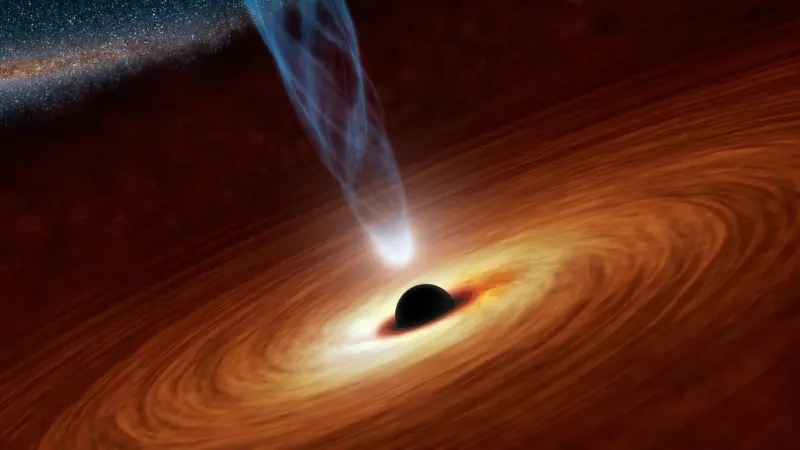
Supermassive black holes eject winds 100 times more powerful than previously estimated, impacting galaxy formation.
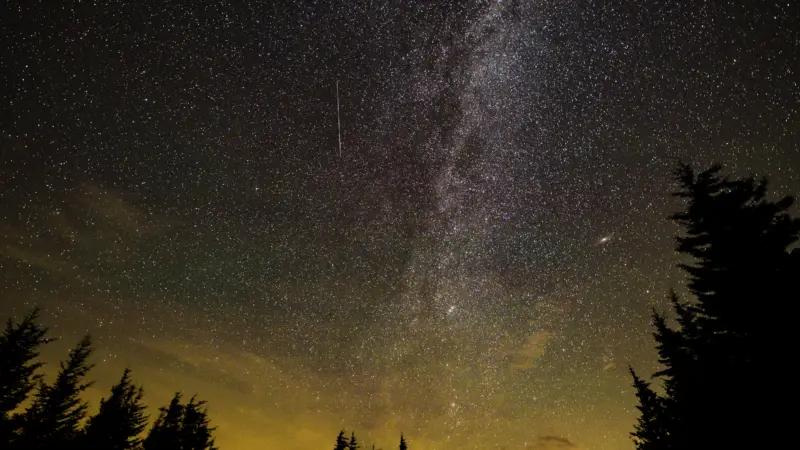
The Perseids Meteor Shower, a dazzling celestial event, peaks in August, offering stargazers a breathtaking view of shooting stars.