Resurrecting Ancient Whales: The Slow Comeback of Blue and Fin Whales in the Southeast Atlantic
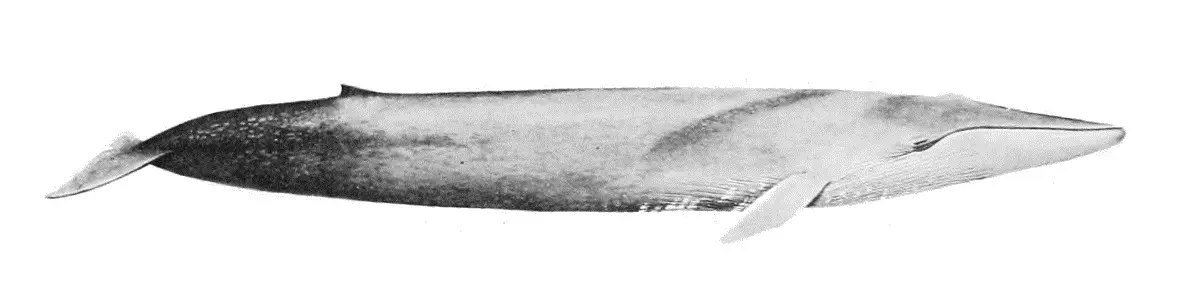
In the vast blue expanse of the southeastern Atlantic, a remarkable transformation is taking place. Once on the brink of extinction due to relentless commercial whaling, the world’s two largest whale species—the blue and fin whales—are now beginning to reclaim their former territories. This resurgence is not just a victory for marine biodiversity; it carries profound implications for ocean health and the ecosystems that depend on these majestic creatures.
The Whale Comeback: A Long Time Coming
The journey of recovery for blue and fin whales is a testament to the resilience of nature and the effectiveness of conservation efforts. Over 40 years after the cessation of commercial whaling, research published in the African Journal of Marine Science indicates a notable increase in sightings of these magnificent animals in the southeastern Atlantic. This region, once devastated by human exploitation, is slowly becoming a sanctuary for whales, offering a glimmer of hope amidst the backdrop of ongoing environmental challenges.
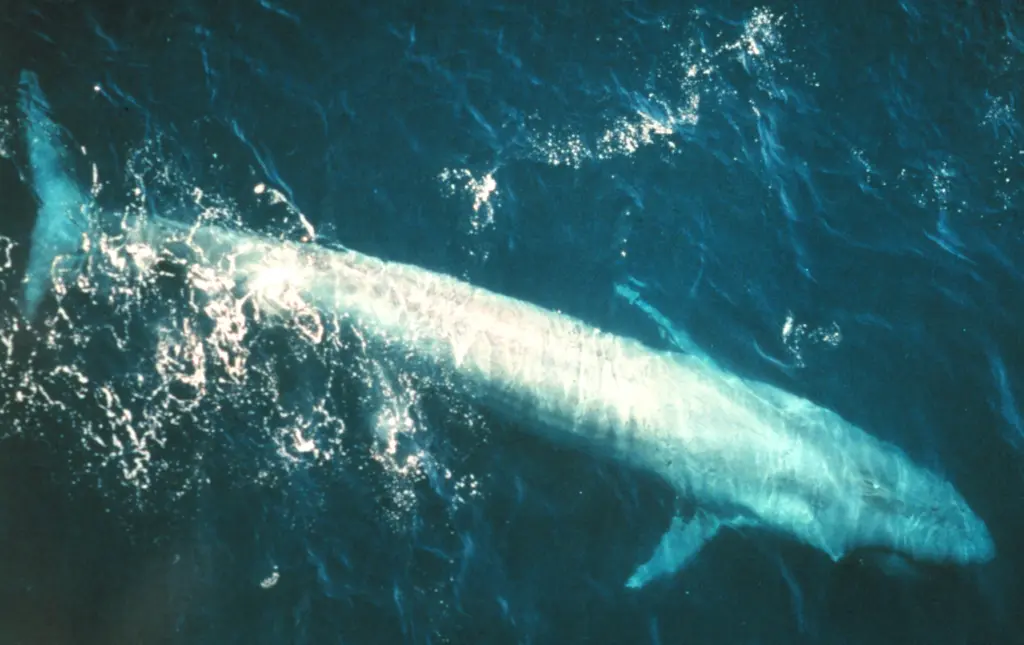
The study, which compiled over 60 years of sightings and strandings from Namibia and South Africa’s west coast, reveals a 95% increase in observations of both species since 2012. While overall numbers remain low compared to pre-whaling populations, this upward trend suggests that conservation measures are beginning to take effect, allowing these whales to gradually reclaim their habitat.
Understanding the Impact of Whaling on Whale Populations
The decline of blue and fin whales began in the early 20th century, when industrial whaling led to dramatic reductions in their populations. Blue whales, which can grow up to 100 feet long and weigh as much as 200 tons, were particularly targeted for their blubber, which was highly valuable for oil production. Fin whales, the second-largest species, faced similar fates. By the mid-20th century, both species had suffered catastrophic population declines, leading to their classification as endangered.
The impact of this decline extended beyond the whales themselves. As apex predators, whales play a critical role in maintaining the health of marine ecosystems. Their feeding habits help regulate prey populations, and their waste products contribute to nutrient cycling in ocean waters. The absence of these giants has had cascading effects on marine biodiversity, highlighting the importance of their recovery.
Conservation Efforts: A Path to Recovery
In recent decades, international efforts to protect blue and fin whales have gained momentum. The International Whaling Commission (IWC) established a moratorium on commercial whaling in 1986, which has been instrumental in allowing populations to begin their slow recovery. Additionally, marine protected areas (MPAs) have been designated in critical habitats, providing safe havens for these whales to feed, breed, and thrive.
Local initiatives in Namibia and South Africa have also played a crucial role in monitoring whale populations and promoting sustainable tourism practices that minimize human impact on marine environments. These efforts not only benefit the whales but also support local economies through eco-tourism, creating a win-win scenario for conservation and community development.
Challenges Ahead: The Road to Full Recovery
Despite the positive signs, the journey to recovery for blue and fin whales is far from over. Climate change poses a significant threat, altering ocean temperatures and currents, which can impact the availability of prey species. Additionally, ship strikes and entanglement in fishing gear remain serious risks for these whales, underscoring the need for continued vigilance and adaptive management strategies.
Moreover, as human activities in the ocean increase, the potential for habitat degradation looms large. Addressing these challenges will require a concerted effort from governments, conservation organizations, and local communities. The success of these initiatives will determine whether blue and fin whales can continue their comeback and restore their vital roles in the marine ecosystem.
Looking Forward: Why Whales Matter
The resurgence of blue and fin whales in the southeastern Atlantic serves as a powerful reminder of the capacity for recovery in nature when given a chance. Their presence is not only a symbol of marine conservation success but also an indicator of the overall health of ocean ecosystems. As these whales continue to return, they will play an essential role in maintaining the balance of marine life.
Ultimately, the journey of these magnificent creatures reflects broader themes of resilience and hope in the face of environmental challenges. By continuing to support conservation efforts and addressing the threats that remain, we can ensure that future generations will have the opportunity to witness the majesty of blue and fin whales in their natural habitats.
Sources: phys.org, African Journal of Marine Science
Images: Cover: NOAA United States. National Marine Fisheries Service / Wikimedia Commons; Figure 1: NMFS Northeast Fisheries Science Center (NOAA) / Wikimedia Commons





Science desk team of Everyman Science, curating and reporting on the day’s most significant developments in research, space exploration, and technology.